COSMETICS
Does ‘12M’ on a Cosmetic Lid Mean 12 Months from the Manufacturing Date?
How to distinguish the period after opening (PAO) from minimum durability—and why bathrooms, fingers, and mascara can shorten it
COSMETICS
Why the SCCS considered both the low concentration in face creams and finished-product stability
Read article →COSMETICS
How to distinguish the period after opening (PAO) from minimum durability—and why bathrooms, fingers, and mascara can shorten it
COSMETICS
How to read an ingredient list after the EU scientific committee concluded that three prostaglandin analogues cannot be considered safe
COSMETICS
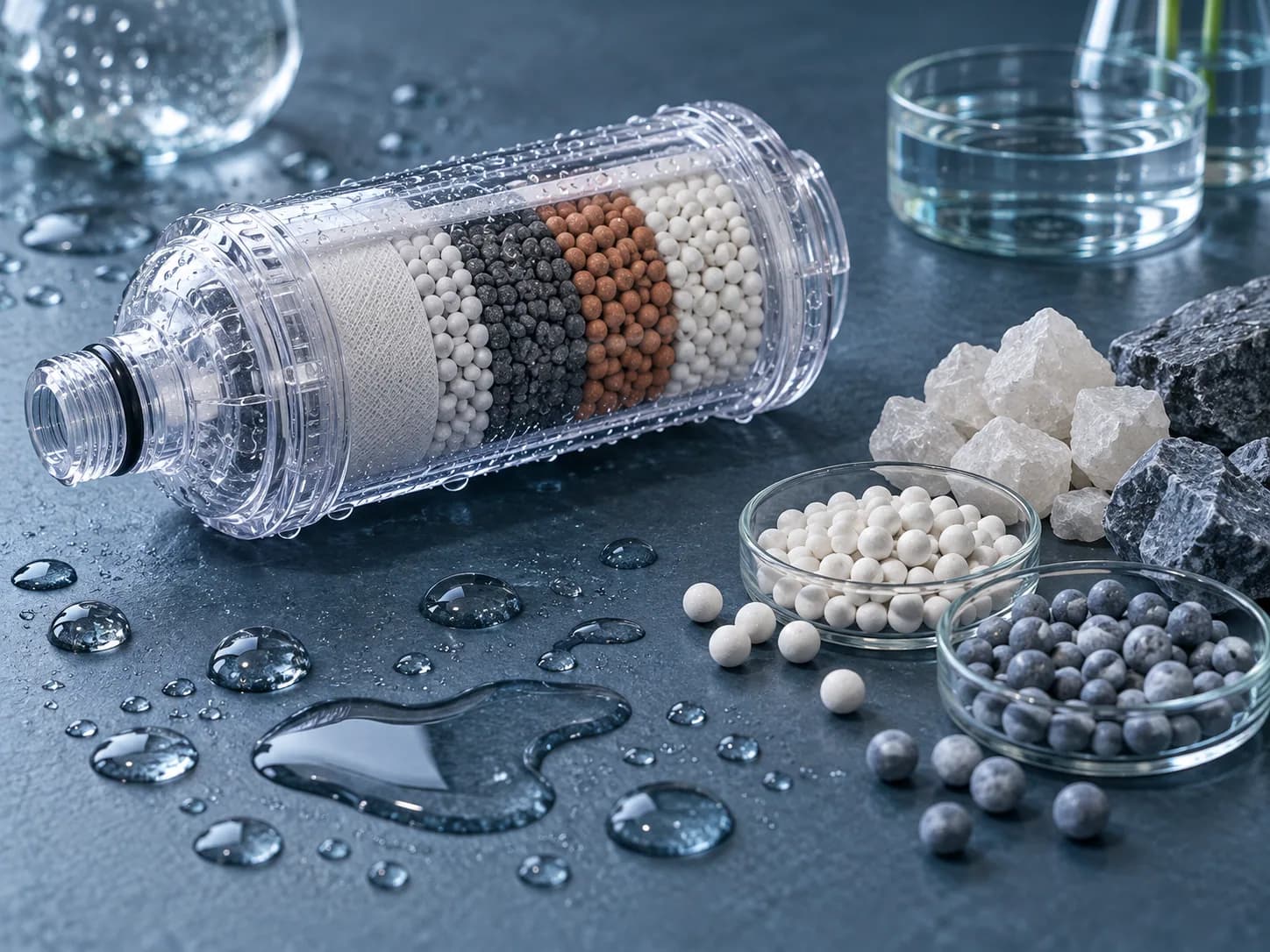
What a filter reduces and the skin and hair benefits promised by advertising are not the same thing. Start by reading the scope of the certification.
COSMETICS
It does not mean “blue hair dye is dangerous”—how to distinguish a specific ingredient, finished products, and allergy testing
COSMETICS
How to distinguish cannabidiol’s safe concentration, the limit for THC impurities, and the efficacy of raw materials versus finished products
COSMETICS
Shampoo 2%, cleanser 1%, face cream 0.1%—why safety limits should not be read as an efficacy ranking
COSMETICS
The 2026 EU SCCS assessment of safe concentrations for micron-sized silver, how it differs from nanosilver, and the spray exception
COSMETICS
The FDA finalized its guidance on October 22, 2026. Consumers should check the product name, lot number, and scope of the risk before the brand name.
COSMETICS
0.05% and 0.3% refer to ‘retinol equivalent’ levels—the 2025 and 2027 transition periods and how consumers should use these products
COSMETICS
A product-selection guide to the scope, exceptions, and transition periods under the microplastics restriction
COSMETICS
Why the EU SCCS set a 1 ppm target for the impurity DnHexP—not for DHHB itself
COSMETICS
A fragrance ingredient used in powdery and vanilla-style scents. “Safe up to 1.8%” does not mean “1.8% is permitted in all cosmetics.”