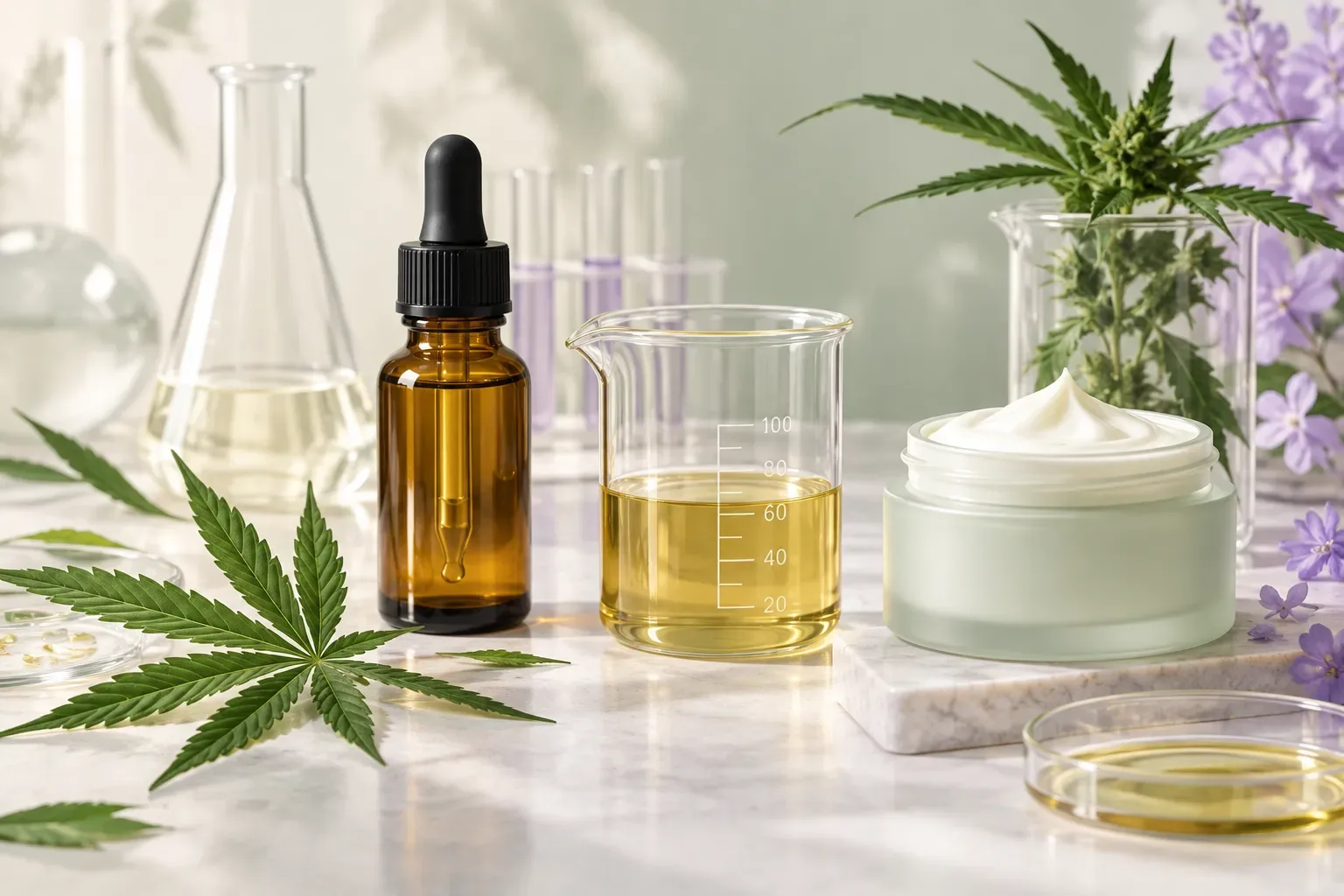
The ‘12M’ beside the open-jar symbol on a cosmetic container does not mean 12 months from the manufacturing date. It refers to the period after opening, or PAO (Period After Opening): the product can be used safely for 12 months from the day it is first opened and used. However, even within the stated period, stop using it if its smell, color, or texture changes, or if it stings your eyes.
Under EU cosmetics regulations, products with a minimum durability of more than 30 months must indicate, with an open-jar symbol and a number of months or years, how long they can be used safely after opening. Single-use products and products such as aerosols, for which the concept of deterioration after opening does not apply, may be exempt.[1][2]
Exactly when should you start counting the 12M?
Count from the day the consumer first opens the product for actual use. If the day you briefly opened the lid to smell the product in a store differs from the day you first used it at home, the record can become unclear. The easiest method is to write the month of opening on the bottom of the container or on a small sticker.
‘12M’ is not a prophecy that the product will suddenly spoil on the exact day it reaches 12 months. It is usage guidance set by the manufacturer, taking into account the packaging, formulation, preservative efficacy, and conditions of use. Repeatedly dipping fingers into the product or keeping it in the humidity and heat of a bathroom can cause its actual condition to deteriorate sooner.
What is the difference between minimum durability and the period after opening?
Minimum durability is the date through which a product, when stored appropriately, maintains its original function and safety standards regardless of whether it has been opened. PAO, by contrast, is the timetable that begins once the product starts coming into contact with air, hands, and tools after opening. Therefore, when a date and an open-jar symbol appear together, it is safer to use whichever of the two conditions is reached first as the guide.
In the United States, general cosmetics are not required to carry a uniform expiration date, but manufacturers are responsible for determining their products’ safety and shelf life. The FDA explains that shelf life varies depending on the type of product and how it is used and stored.[3]
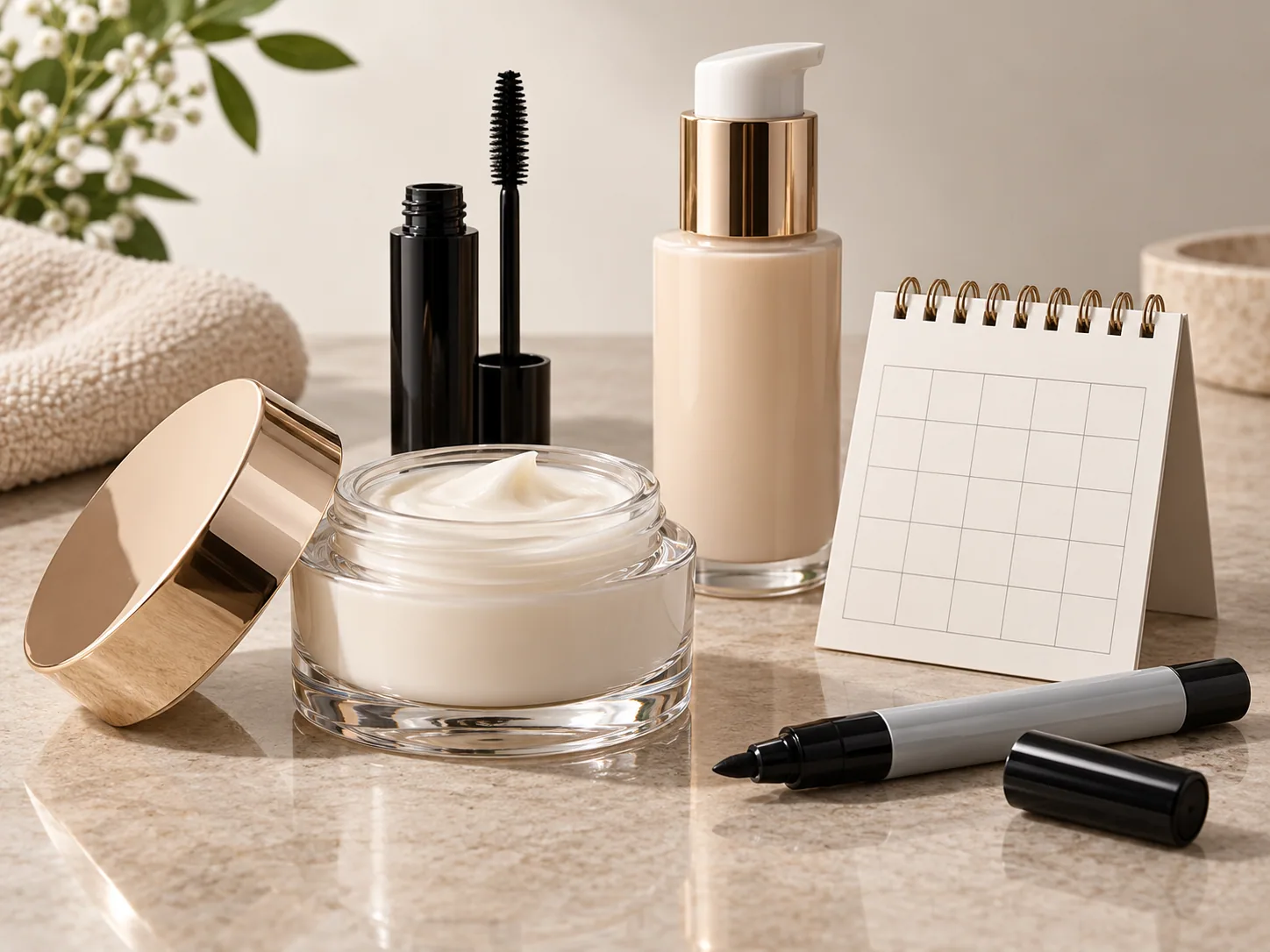
Why a jar cream and a pump essence can differ even when both say 12M
With a jar, fingers or a spatula come into direct contact with the contents. A pump can reduce contact, but product left around the nozzle may harden or become contaminated. Packaging alone does not automatically guarantee safety, but how often the product comes into contact with hands and water affects its actual period of use.
Decanting a product into a small travel container changes the original container’s barrier performance and hygienic conditions. Mark the decanting date separately, use the product within a short period, and do not pour any remaining contents back into the original container.
The FDA explains that microorganisms can enter when fingers are dipped into a product, and that preservatives may weaken over time or an emulsion may separate. Humidity in the bathroom, sunlight and air, and temperature changes can also alter its smell, color, and texture.[3]
Can you use mascara until the 12M mark?
Products used around the eyes should be treated more conservatively. The FDA explains that a mascara wand is exposed to microorganisms each time it is used, and that manufacturers generally recommend discarding mascara within two to four months of purchase.[3] A product used when an eye infection occurred should be replaced even if time remains on its stated period.
Can keeping a product in the refrigerator extend its use beyond the stated period?
Unless the manufacturer instructs you to refrigerate the product, there is no basis for assuming that refrigeration at your discretion will extend its period of use. Repeated temperature changes and condensation may instead affect the formulation and packaging, so follow the storage conditions on the label.
If it smells fine, can you keep using it?
Smell alone cannot confirm microbial contamination. Consider the stated period, the opening date, storage conditions, visible separation or discoloration, and any irritation when applying the product. If anything is clearly unusual, do not test it on your skin again.
The smallest bit of care you can do at your vanity today
Choose just three frequently used creams and mascaras and write the month of opening on their bottoms. For jar creams, scoop out the product with dry hands or a clean spatula, and keep it in a cool, dry place rather than by the bathroom window. ‘12M’ is not permission to postpone the discard date; it is a clock telling you to monitor the product from the day you open it.