The bottom line: not every serum marketed as making eyelashes longer is the same kind of cosmetic. In a 2026 draft amendment to the Cosmetics Regulation, the European Commission proposed banning prostaglandin analogues in cosmetics, following the SCCS’s assessment that three representative ingredients could not be considered safe. [1][2]
However, as of September 2026, consumers should note an important distinction. The measure is still at the draft amendment stage, not a final regulation in force, and the EU’s TBT notification indicates that the comment period ran through September 6, 2026. It would therefore be inaccurate to say that “all eyelash serums have already been banned in the EU.” [1]
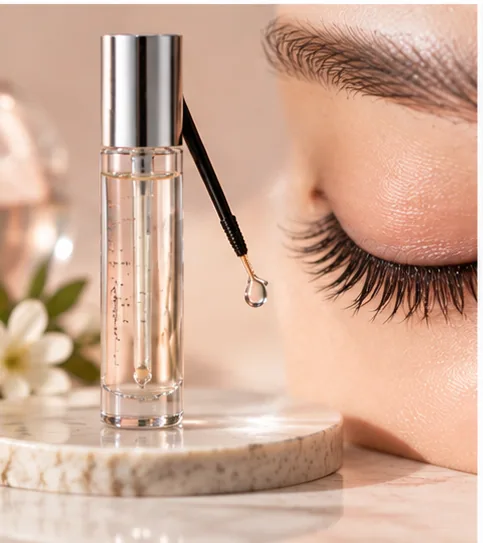
Why are prostaglandin analogues used in eyelash serums?
Prostaglandin analogues (PGAs) are compounds designed to act similarly to prostaglandins, which are involved in biological signaling. Some ingredients can produce pharmacological effects even at very low concentrations and have therefore been used in cosmetics for their eyelash-growth effects. This “pharmacological activity” is why regulators view them differently from ordinary moisturizing ingredients. [2]
Which ingredients did the SCCS raise concerns about?
In its 2026 final opinion, the SCCS assessed three ingredients: Isopropyl Cloprostenate, Methylamido-Dihydro-Noralfaprostal, and Dechloro Dihydroxy Difluoro Ethylcloprostenolamide. The committee concluded that, even at the use concentrations proposed by the applicant, these ingredients could not be considered safe for cosmetics intended to promote eyelash and eyebrow growth. [2]
The main concerns were that the ingredients could show strong pharmacological activity even at low concentrations, and that there was insufficient data to rule out potential reproductive and developmental toxicity. The SCCS also considered it important that the primary users were likely to be women of childbearing age. [2]
Which names should you check on the ingredient list?
A product’s full ingredient list may include names such as Isopropyl Cloprostenate, Methylamido-Dihydro-Noralfaprostal, and Dechloro Dihydroxy Difluoro Ethylcloprostenolamide. However, the market may also include other prostaglandin-related ingredients or ingredients marketed as having similar effects. The absence of the word “prostaglandin” alone is therefore not enough to conclude that the same regulatory issue does not apply.
Are peptide- or panthenol-based eyelash serums the same issue?
They should not be grouped into the same category. Ingredients such as peptides, panthenol, and glycerin are generally used for moisturizing or conditioning and work differently from prostaglandin analogues. Rather than relying on the product name “eyelash serum,” it is important to look at the actual full ingredient list and the function the product claims to provide.
What should you do if irritation develops around the eyes?
If redness, stinging, or itching around the eyes recurs, the priority is to stop using the product and monitor the symptoms. If symptoms go beyond simple skin irritation—such as eye pain, changes in vision, or severe swelling—an ophthalmologist or other medical professional should evaluate them. It is safer to decide whether to resume use after identifying the ingredient responsible.
Has the EU banned all eyelash serums?
No. As of September 2026, the European Commission has proposed a draft amendment that includes banning the cosmetic use of certain prostaglandin analogues. It has not banned the entire category of products known as eyelash serums. [1]
Are prostaglandin analogues immediately dangerous if a product contains them?
This does not mean that every individual user will experience an adverse reaction. However, the SCCS determined that the safety of the three ingredients it assessed could not be established under the proposed conditions of use. From a consumer perspective, it is reasonable to consider regulatory safety assessments alongside expectations about results. [2]
Do products sold in Korea follow the same regulations?
No. EU and Korean cosmetics regulations are separate systems. Whether a product may be sold domestically must be checked separately against the standards of Korea’s Ministry of Food and Drug Safety and the product’s distribution status in Korea. The EU draft regulation should not be interpreted as meaning that the product is immediately banned in Korea.
DERME VERDICT
Rather than choosing an eyelash serum based solely on the name “nourishing,” check both how it claims to produce growth effects and its full ingredient list. If it contains a prostaglandin analogue, the safety concerns raised by regulators should be considered alongside expectations of strong growth effects. If the goal is moisturizing or conditioning, choosing a product based on ingredients with a different mode of action may be a practical alternative.