When lines appear on the neck, it is easy to start by asking, “How many cc of skin booster do I need?” In June 2026, the U.S. FDA approved a specific hyaluronic acid injectable for the indication of horizontal neck lines, adding one more option. But this approval is not a blanket endorsement of every skin booster, every neck wrinkle, or regulatory approval in every country.
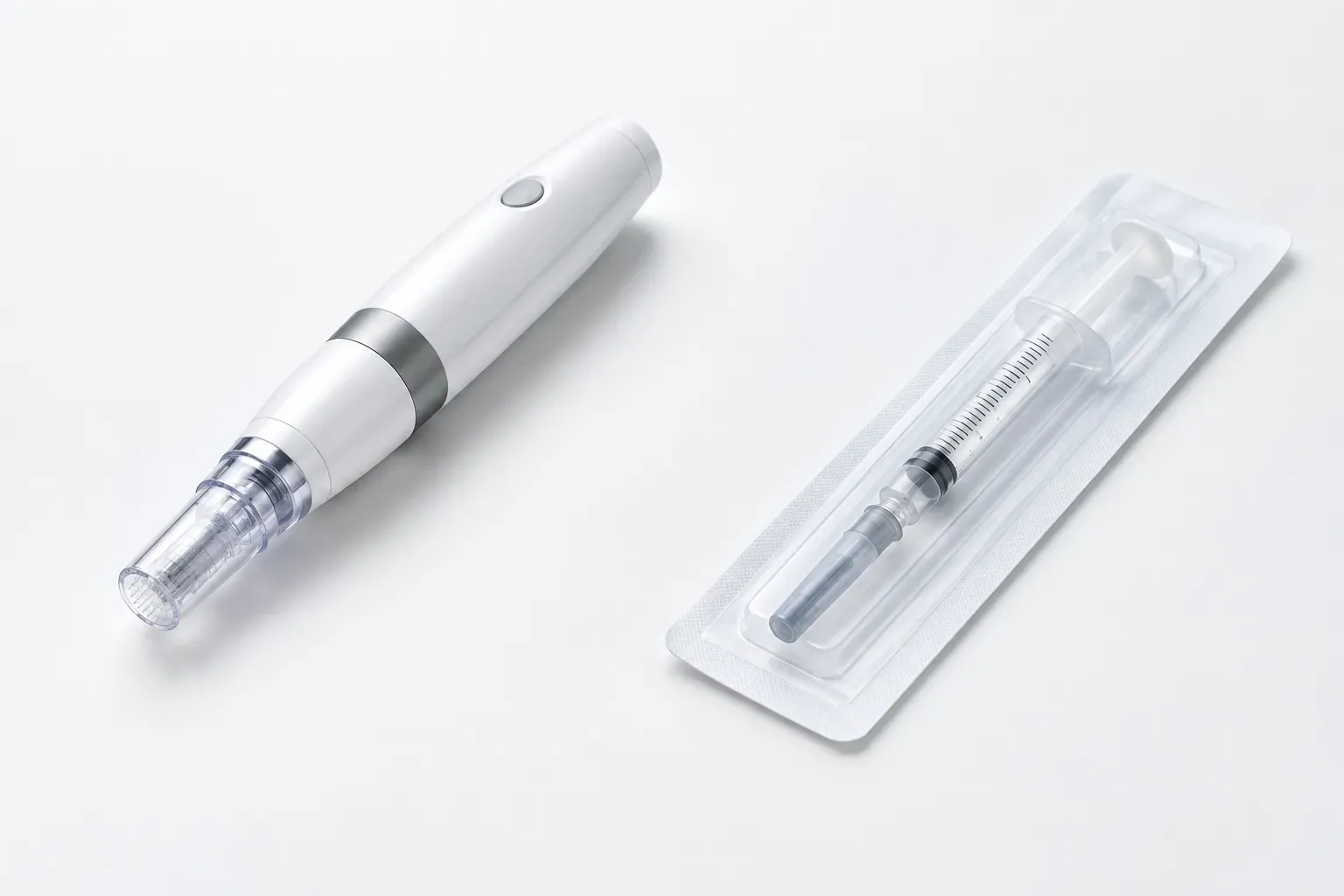
The product named in the FDA approval documents is SKINVIVE by JUVÉDERM, an intradermal or subcutaneous injection intended to improve the appearance of the neck by reducing horizontal neck lines in adults aged 21 and older.[1][2] The product name, treatment area, injection layer, and age requirement are tied together in one statement. If an advertisement keeps only the phrase “FDA-approved ingredient” and removes the rest, important conditions disappear.
Why do horizontal neck wrinkles and vertical neck bands require different treatments?
Horizontal lines around the neck reflect overlapping factors, including skin folding and movement, skin thickness, and loss of elasticity. By contrast, vertically prominent bands running up from beneath the jaw may be driven largely by activity in the platysma. When the skin is generally lax, assessing elasticity and underlying structure comes before filling a single line.
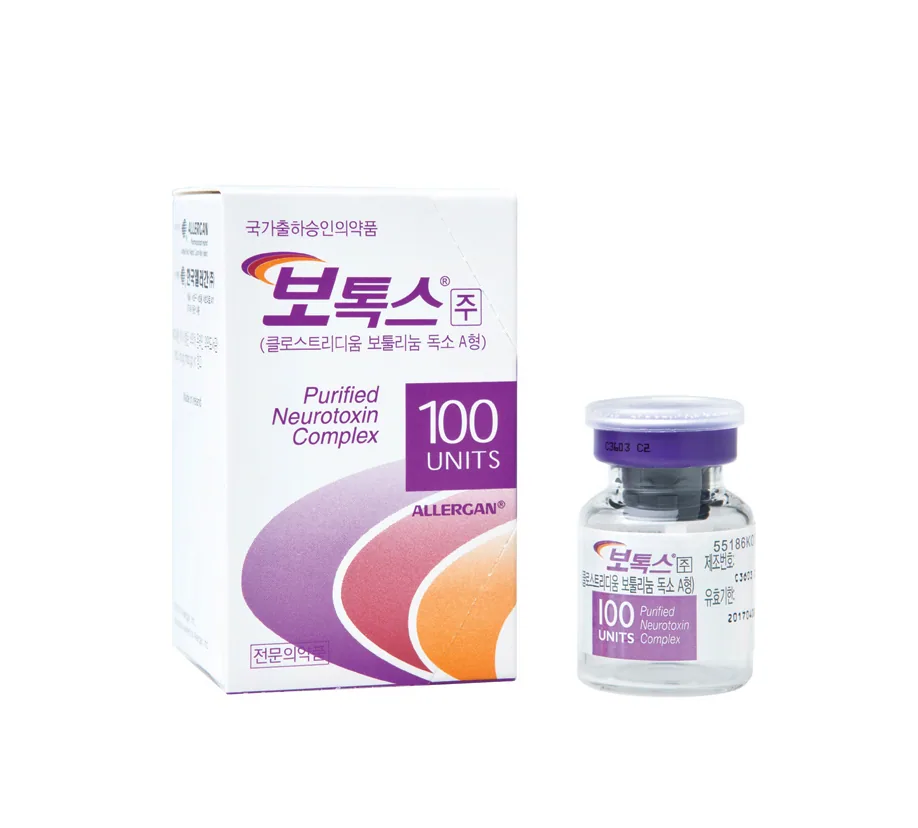
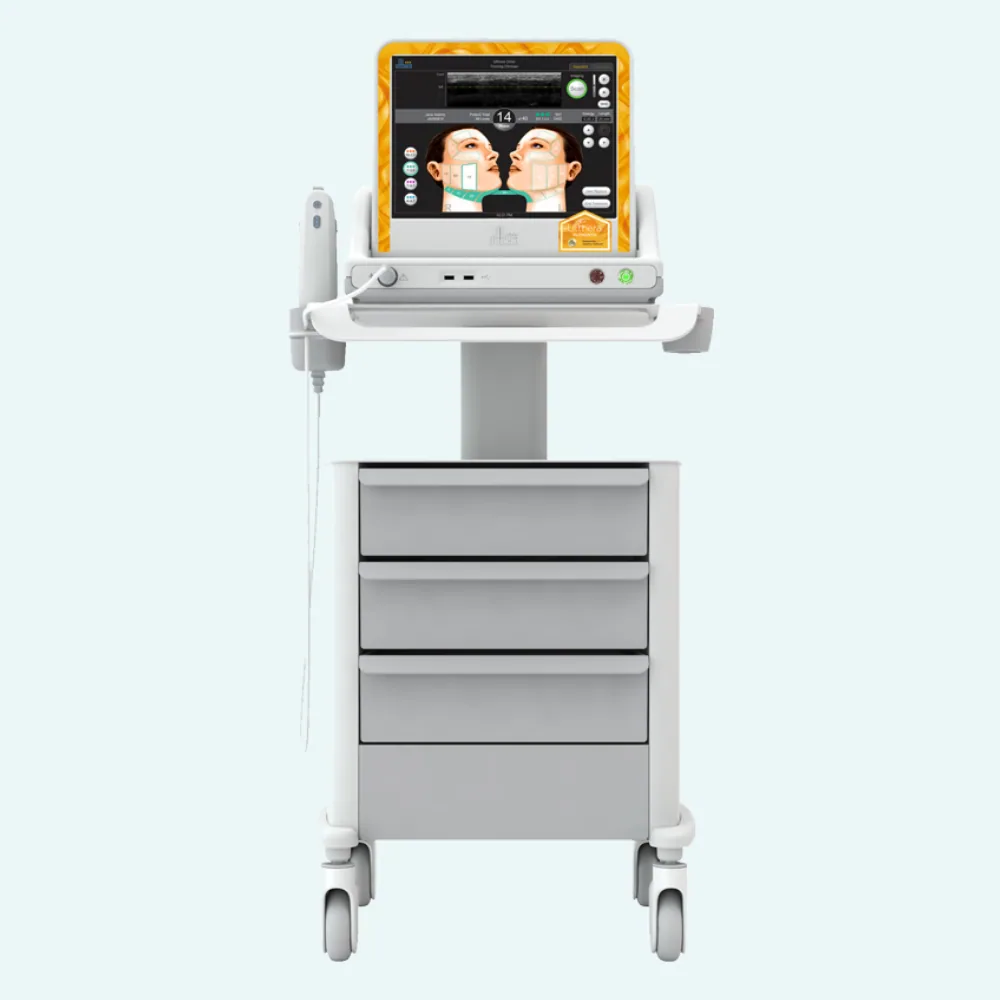
Therefore, hyaluronic acid injections, botulinum toxin, and radiofrequency or ultrasound devices cannot be compared on equal terms based on the single word “neck wrinkles.” During a consultation, the neck should be assessed at rest, with the head bent forward, and when the muscles are tensed. First identify whether the line of greatest concern runs horizontally or vertically.
How should clinical-trial numbers be interpreted?
According to the manufacturer, in a randomized, multicenter, evaluator-blinded controlled trial, approximately 74.8% of the 105 participants in the treatment group showed an improvement of at least one grade on a five-point horizontal neck-line scale at one month. Among the 97 evaluable participants, 66% maintained that change at six months.[3] This is not the percentage of people whose wrinkles “disappeared,” but the percentage who improved by at least one grade on a photographic scale.
These results cannot be applied directly to other hyaluronic acid products, PN skin boosters, or different injection depths. The manufacturer’s materials state that the safety and effectiveness of neck treatment in people with darker skin tones have not been studied.[3] Skin tone, scarring tendency, and the blood vessels and anatomy of the neck should be considered together.
How much downtime and how many side effects should be expected?
Reactions recorded by trial participants included redness, bruising, tenderness, lumpiness, swelling, firmness, pain, changes in skin color, and itching. They were generally mild and subsided within two weeks, but the manufacturer states that seven of the 147 participants who reported adverse reactions experienced severe reactions—less than 5%.[3] Saying that something is rare does not mean no preparation is needed.
Before an important event, allow time for bruising and swelling to overlap. Report any anticoagulants or antiplatelet drugs, bleeding disorders, pregnancy or breastfeeding, active dermatitis or infection, and a history of filler nodules or vascular complications. Do not stop medication on your own. Severe pain, pale or mottled skin, or visual disturbances after injection require immediate evaluation.
Four questions to ask in the consultation room
Ask: “What is this product’s approved indication in Korea?”, “Is the main cause of my neck wrinkles horizontal lines, muscle bands, or laxity?”, “Which layer will you inject, and how much?”, and “Who will respond, and how, if a problem occurs?” Because the neck has thin skin and moves frequently, the diagnosis and injection plan—not the product name—determine the outcome.
Q. Does FDA approval mean it has been approved for the same indication in Korea?
No. Approval by the U.S. FDA and authorization by Korea’s Ministry of Food and Drug Safety are separate regulatory systems. Check the product’s approved indications, authenticity, and expiration date in the country where the procedure will be performed.
Q. Will one neck-wrinkle treatment last six months?
The average result in a trial population cannot be converted into a guaranteed duration for an individual. The study could include selective touch-up treatment after the initial treatment, and the duration of the result varies according to the cause of the wrinkles, movement, and dosage.
DERME VERDICT
The key point of this approval is not that “skin boosters are good for neck wrinkles,” but that a specific product was studied for specific horizontal neck lines at a specified depth and under specified conditions. Before booking a consultation, stand in front of a mirror and distinguish horizontal lines, vertical bands, and overall laxity. Then request the product name and approval wording exactly as stated.