When comparing sunscreens from overseas, if a new ingredient name catches your eye, the first question should be, “What has changed in my product?” On June 9, 2026, the U.S. Food and Drug Administration announced that it had added bemotrizinol to the permitted active ingredients in the over-the-counter sunscreen monograph. The ingredient is also known by the abbreviation BEMT.[1]
This article explains how to read product information following that announcement. It is not an article introducing a specific new product released today or ranking products by sales. Nor does the addition of an unfamiliar ingredient mean that you should immediately discard the product you are currently using.
U.S. options have expanded, but this is not the world’s first use of the ingredient
The FDA explained that bemotrizinol protects against both UVA and UVB and has low systemic absorption through the skin. It also said that the ingredient has already been used in Europe and several other countries. This change therefore expands the range of ingredients permitted in the United States; it does not mean that the substance has appeared for the first time anywhere in the world.[1]
“Newly permitted in the United States” and “better than any product in any country” are claims that require different kinds of evidence. The latter would require data comparing actual finished products under identical conditions. Regulatory status alone should not be used to rank a product’s feel or overall performance.
A single ingredient and a finished product’s SPF are not the same information
The FDA announcement describes a change to the monograph that allows sunscreens meeting defined conditions to enter the market. It should not be read as individual approval of every cosmetic product from a particular brand.[1]
For consumers, a useful starting point is to read the ingredient name, the protection rating on the front of the product, and the directions separately. The fact that two products contain the same ingredient does not make their formulations, application amounts, or performance in contact with water identical. Even when product names appear similar, check the actual packaging and labeling for the market where you intend to purchase the product.
Alongside SPF, check UVA and UVB protection, water resistance, and reapplication
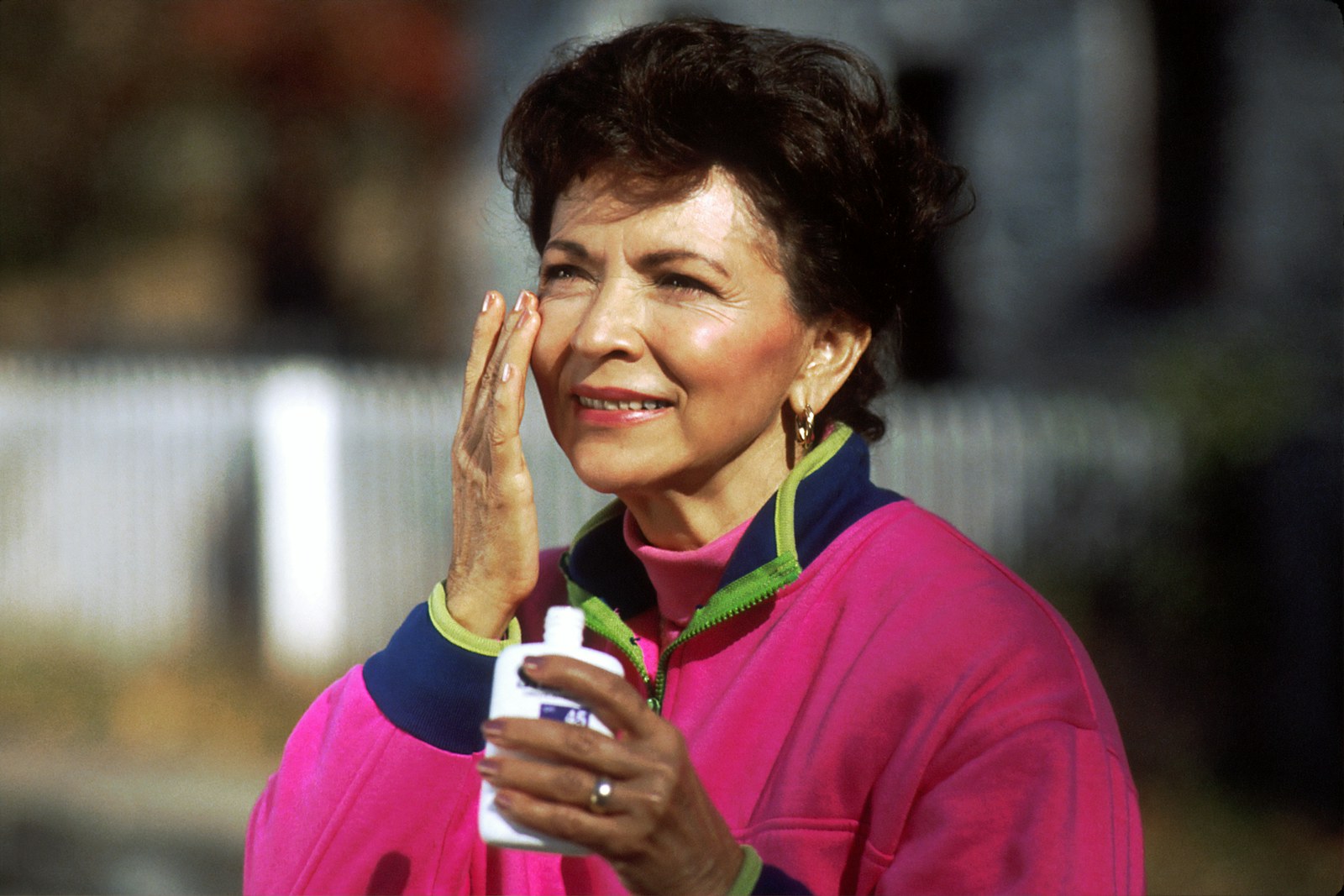
The American Academy of Dermatology recommends products with SPF 30 or higher, broad-spectrum protection against both UVA and UVB, and water resistance. Outdoors, it advises reapplying about every two hours, or after swimming or sweating, according to the directions on the label. A higher SPF does not mean you can stay out longer without reapplying.[2]
Whether you are choosing a product for everyday use or packing one in a travel pouch, think not only about applying it once but also about whether you can reapply it when needed. Your plans for carrying it and finding time to reapply may differ for a walk, time in the water, or an outdoor shoot. This planning is a necessary sun-care habit regardless of whether a particular new ingredient is present.
Even when shopping for K-beauty, do not make assumptions simply because a product is Korean
The same question applies to readers visiting Korea from overseas. What matters is not whether you bought the product in Korea, but whether you understand the actual labeling and directions for the product you are purchasing. If the language is difficult, confirm the protection range and directions with the seller. When comparing it with a familiar product from another country, place the actual packaging information side by side.
If you are about to undergo, or have just undergone, a dermatological procedure, check the care plan provided by your medical professional before freely adding a new product. This article does not provide a list of ingredients suitable for use immediately after a specific procedure or prescribe products for individuals.
Q. If a product contains BEMT, is it automatically SPF 50 or higher?
The FDA announcement alone cannot determine the SPF of a specific finished product. Consumers should check the protection rating and conditions of use shown on the actual product.
Q. If I apply sunscreen carefully, do I still need other forms of protection?
The AAD recommends combining sunscreen with measures such as seeking shade and wearing hats and clothing, since sunscreen alone does not provide complete protection from UV exposure.[2] Do not let interest in a new ingredient replace basic sun-protection habits.
DERME VERDICT
The U.S. authorization of bemotrizinol is a change that broadens consumers’ options. But the final purchase decision should take into account not just a single ingredient name, but also the finished product’s protection labeling, whether it fits the way you can use it, and your plan for reapplying it outdoors. Accurate reading means not turning ingredient news into advertising that implies one product is superior.