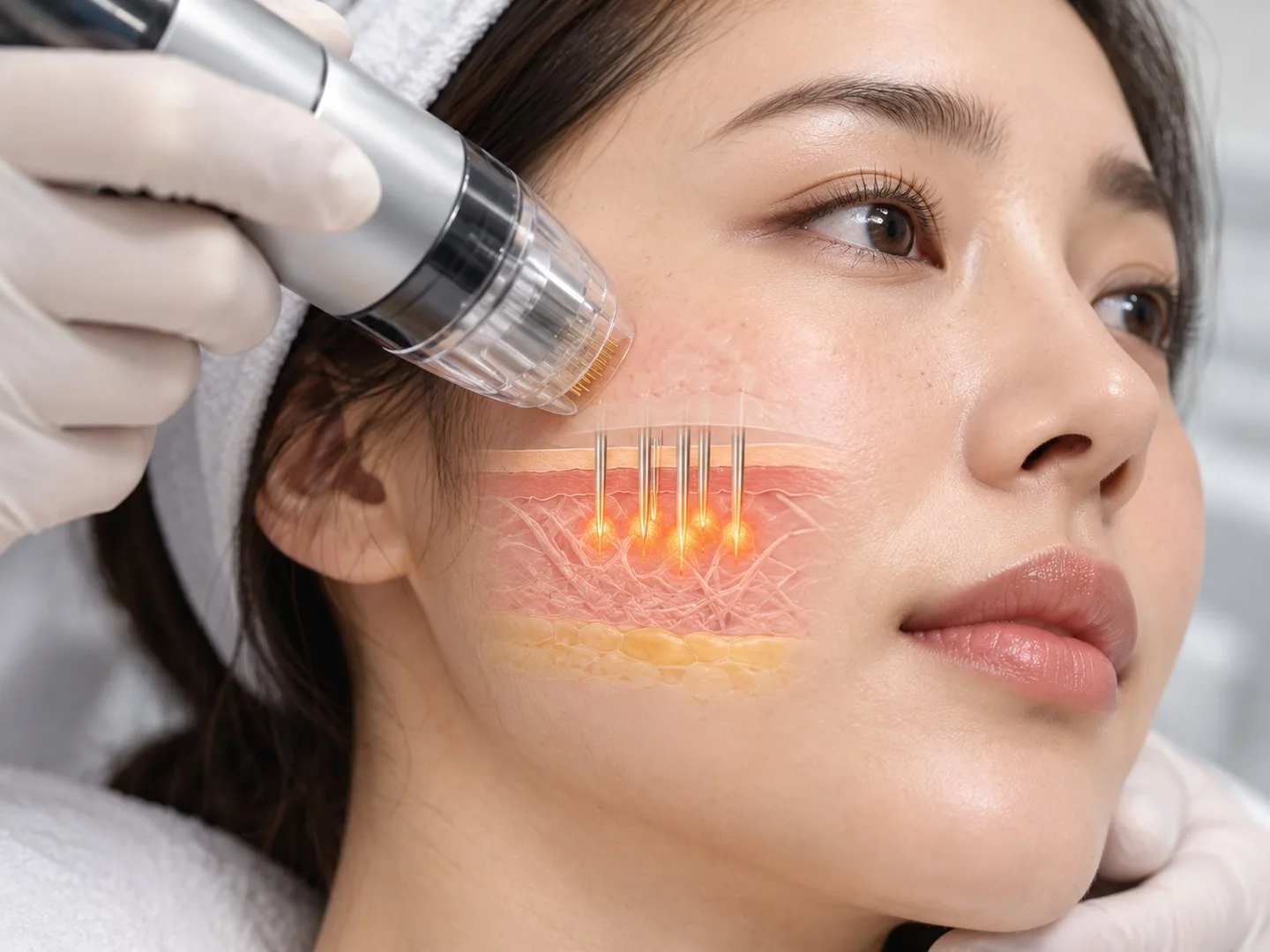
The key point: Temple filler is not simply an injection to fill a hollow area; it is a medical procedure performed in an area with complex blood vessels and nerves. On September 18, 2026, the U.S. Food and Drug Administration added language to the label for Restylane Contour stating that it should be distributed only to providers who have successfully completed product-specific training related to its use in the temples.[1] This does not mean that a new temple filler was approved for the first time. Rather, it strengthens the labeling and training requirements for a product whose indication was expanded in March 2026 to include correction of temple hollowing.[2]
What did the FDA actually change in September 2026?
This action was not a change to Restylane Contour’s manufacturing process or an approval of a new ingredient. The FDA PMA supplement record specifies that the labeling change added language stating that, when used to correct temple hollowing, the product is to be distributed only to providers who have completed the product-specific training program.[1] The temple indication itself was expanded on March 20, 2026, to include correction of temple hollowing in adults over 21.[2]
Why is practitioner experience more important than the ‘product’ with temple fillers?
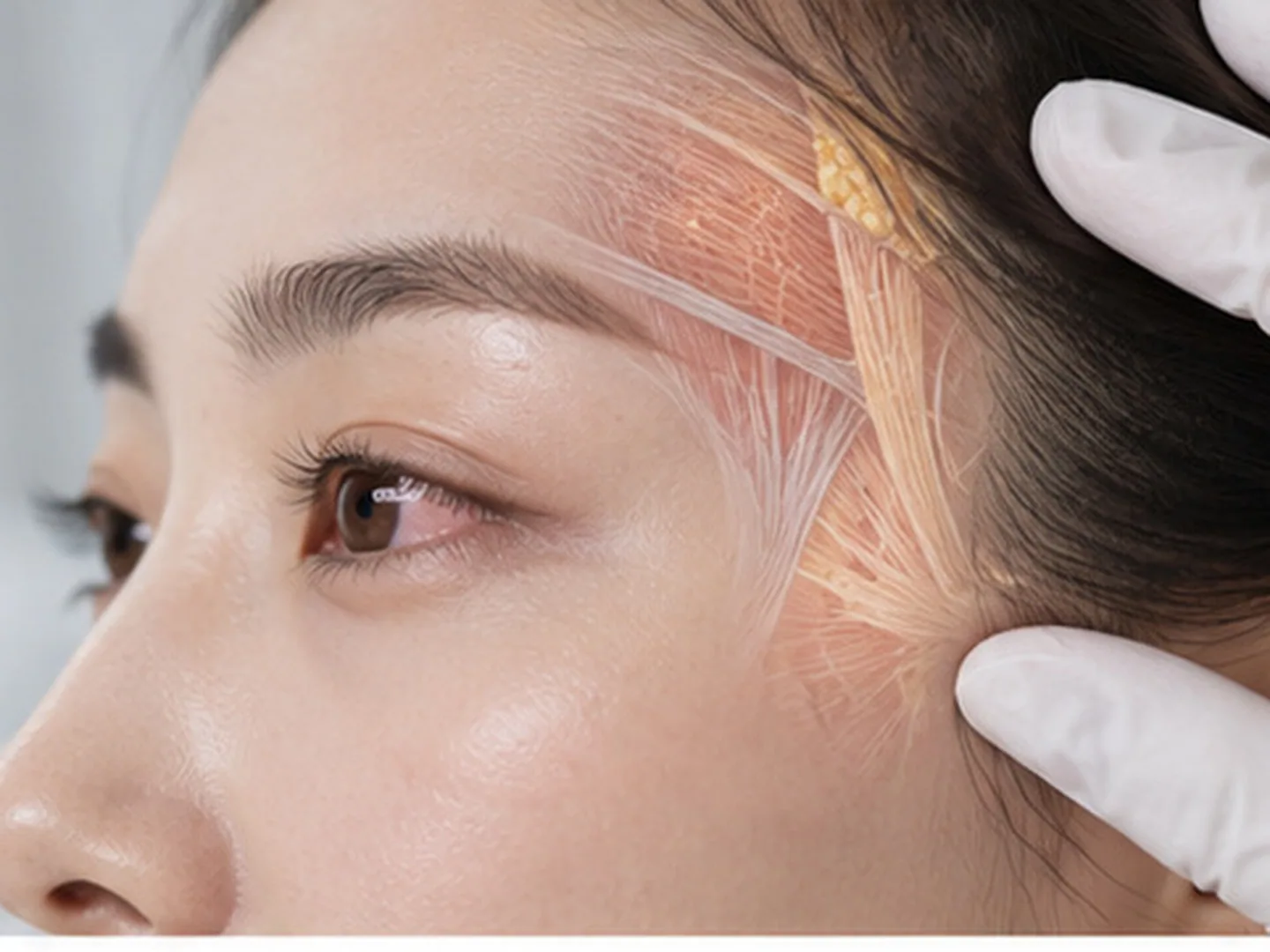
The temple region contains important blood vessels that pass beneath the skin alongside fascia, muscle, and layers of fat. If filler enters a blood vessel or compresses one, it can lead to serious complications such as skin damage. The FDA describes intravascular injection as one of the most serious risks of all filler procedures and notes that, although rare, significant events including vision abnormalities, stroke, and skin necrosis have been reported.[3]
Who might benefit from filler for temple hollowing?
When reduced volume in the temples makes the sides of the face appear concave, hyaluronic acid filler may be one option if the goal is structural volume restoration. However, temple filler is not necessary simply because the face looks ‘tired.’ The apparent cause can vary depending on factors such as prominent cheekbones, weight changes, reduced skin elasticity, and the degree of temporalis muscle development.
What are the recovery period and common reactions like?
Swelling, bruising, tenderness, and a firm or lumpy feeling at the injection site are relatively common short-term reactions.[3] More important than an average explanation that ‘swelling lasts for a few days’ is knowing the warning signs that require immediate evaluation: unusual pain, pallor, a mottled or netlike change in skin color, or vision changes immediately after the procedure.
Five things to check during a temple filler consultation
1. Does the product have an approved indication for use in that area?
Approved uses vary by country, so it is important not to assume that ‘all fillers are more or less the same.’ Confirm the product name, approved treatment area, injection plane, and recommended use separately.
2. Does the practitioner have experience with temple anatomy and managing complications?
This is also the central point underscored by the FDA’s 2026 labeling change related to training.[1] In the temple region, small differences can affect both safety and results.
3. Is there a plan to avoid overcorrection?
Injecting a large amount into the temples at once can alter the width and appearance of the face. Rather than aiming for maximum volume from the outset, a more conservative approach is to add volume gradually where needed.
4. Is there a system for responding to emergencies?
With hyaluronic acid filler, rapid assessment and appropriate management are important when a vascular complication is suspected. Confirm how to make emergency contact and what the post-treatment care pathway is before the procedure.
5. Might another treatment be better suited to the problem?
If skin laxity is the main concern, trying to address it solely with volume injection may be less appropriate than lifting devices, skin-elasticity treatments, or non-interventional observation.
Frequently asked questions
Is temple filler the same procedure as filler around the eyes?
No. Although the areas appear adjacent, their anatomical structures and approved uses differ. The FDA has not approved filler use in some areas, and higher-risk areas such as around the eyes require separate confirmation of the product-specific approval and risks.[3]
If hyaluronic acid filler can all be dissolved, is it safe?
It cannot be simplified that way. There are situations in which hyaluronidase can be used with hyaluronic acid filler, but vascular complications are highly time-sensitive, and complete recovery is not guaranteed. The fact that filler ‘can be dissolved’ does not replace safe injection technique.
DERME VERDICT
The FDA label change in September 2026 is less a news story making temple fillers more fashionable than a regulatory signal reminding us how important practitioner training is in this area.[1] If you are considering temple filler, it is reasonable to check the indication, anatomical assessment, the practitioner’s training, and the emergency response system before focusing on price or how many cc will be injected.