In autumn 2026, Seoul is expected to see a concentration of foreign visitors during a period when Japan’s Silver Week, Korea’s Chuseok holiday, and China’s Mid-Autumn Festival and National Day holidays follow one another. From September 19 to October 11, the Seoul Metropolitan Government will operate “Seoul Welcome Week” at major tourist touchpoints, including airports and Myeongdong, while expanding multilingual information and tourism programs.[1] Although these services do not replace medical consultation or interpretation for medical tourists, they can be used to organize transportation and travel information before and after appointments.
Build the medical travel itinerary around transportation before appointment times
If you have booked dermatology or aesthetic medical treatment in Seoul from overseas, it is advisable to plan your arrival, appointment, recovery, and departure days separately. Rather than scheduling treatment immediately after arriving at the airport, allow time for hotel check-in and transportation. Whether to plan important photo shoots, long-distance travel, or outdoor activities for the day after treatment should be decided after hearing the recovery guidance for the specific procedure.
Tourist information at the airport and in Myeongdong serves a different role from medical guidance
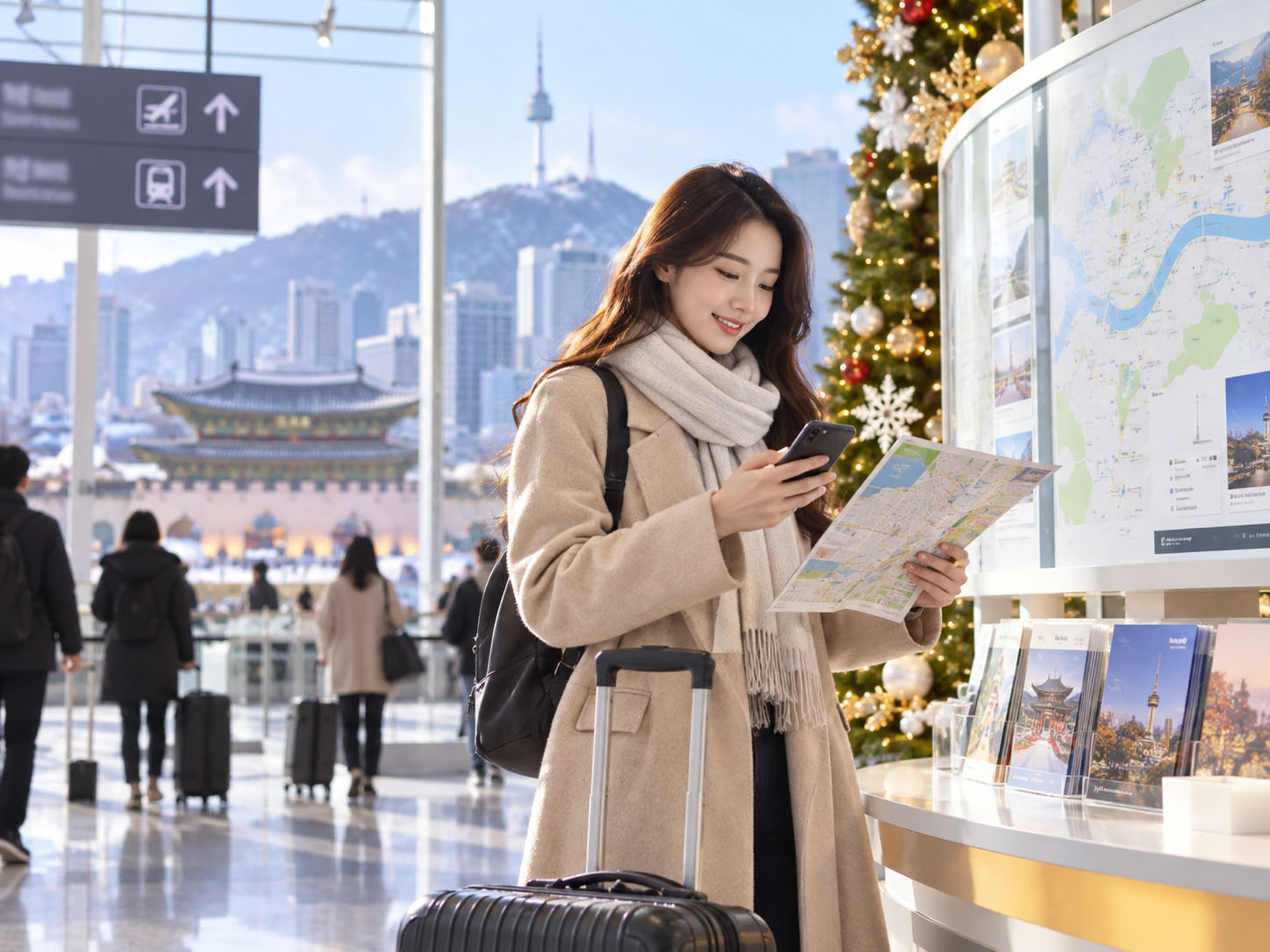
During Seoul Welcome Week, information and programs for foreign tourists will be available at Incheon and Gimpo airports, tourist information centers, and other locations.[1] The Myeongdong Tourist Information Center is described as a place offering general information in several languages on travel, accommodation, and medical tourism.[2] However, medical decisions involving a hospital’s diagnosis, treatment risks, medication, and aftercare should be confirmed directly with the medical institution concerned.
If you are planning a consultation in Gangnam from Myeongdong, save these three things in advance
First, the hospital’s name in English and the local language, along with its exact address; second, the appointment time and a messenger or telephone number where you can be reached; and third, a number to contact if a problem occurs after the procedure. Saving the address in Korean as well can help when traveling by taxi or public transportation. If you need interpretation, confirm at the booking stage which languages the hospital provides and whether professional medical interpretation is available.
Recheck opening hours and closure dates during the holiday period
Even when events for tourists are being held, hospitals, pharmacies, and accommodation facilities each have their own operating hours. During the Chuseok holiday in particular, it is safer to obtain advance information on whether your medical institution will be closed or offer reduced hours, when prescribed medication can be collected, and how to arrange follow-up confirmation before returning home. Citywide welcome programs should not be mistaken for a hospital’s actual consultation hours.
DERME VERDICT
The convenience of medical tourism in Seoul is not determined inside the hospital alone. The route from the airport to your accommodation, from your accommodation to the hospital, and from recovery to your return home should be planned as one itinerary. Seoul Welcome Week and tourist information centers can serve as supplementary aids for navigating the city, while treatment suitability, recovery, medication, and emergency contacts should be confirmed separately with the medical institution. That is the accurate division of roles.
Sources
[2] Visit Seoul · Myeong-dong Tourist Information Center (revised 2026-09-18)