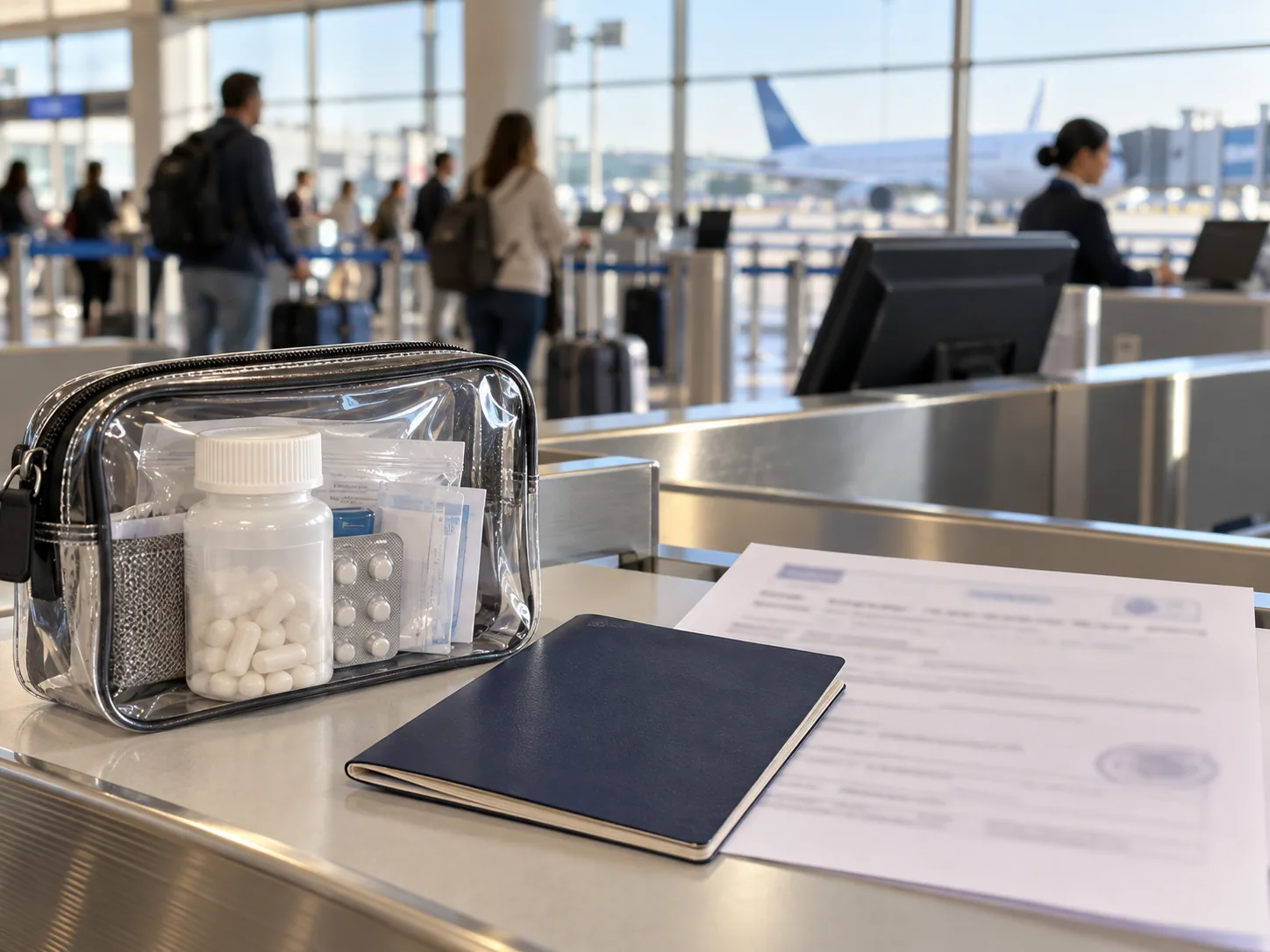
Three nights may be enough to undergo a procedure and board a flight, but it cannot be assumed to be enough time to confirm that the skin has recovered. Ablative fractional CO₂ lasers and radiofrequency microneedling differ in their risks of pain, erythema, and post-inflammatory hyperpigmentation, so the treatment intensity and the date of the first follow-up should be decided first. [1][2]
A 2026 meta-analysis found that fractional CO₂ lasers produced slightly higher scar-improvement scores than radiofrequency microneedling, but they also had higher pain scores, a greater risk of post-inflammatory hyperpigmentation, and longer-lasting erythema. These findings combine results from comparative trials; they do not mean that the same figures apply to every skin type and device. [1]

What determines recovery from acne scar laser treatment?
The first factor is whether the treatment is ablative. Ablative lasers create microscopic treatment columns in the skin’s surface to stimulate regeneration, which may require more care for oozing, crusting, and erythema. Non-ablative devices and radiofrequency microneedling may cause less surface damage, but swelling and redness vary depending on the intensity and number of passes.
The second factor is the scar pattern. Narrow, deep ice-pick scars, broad boxcar scars, and tethered rolling scars are unlikely to produce the same results with a single device. The American Academy of Dermatology also notes that deep scars may be treated with fillers or other procedures in addition to lasers, and that multiple sessions may be necessary. [2]
What itinerary is realistic for a three-night stay?
Do not schedule the procedure on the day you arrive. Use the first day for an in-person examination to assess the scar type, active acne, recent tanning, tendency to form keloids, medications, and history of herpes. Consent forms and aftercare instructions should be provided in a language you understand.
If you undergo treatment on the second day, leave time for one check of the skin’s response before returning home. Having a strong laser treatment on the final day and immediately taking a long-haul flight makes it difficult to manage both the dry cabin environment and unexpected swelling. If the schedule is short, lowering the intensity or postponing treatment should also be included when comparing estimates.
What should Seoul·Gangnam treatment costs be compared on the basis of?
A “per-session price” is not enough for comparison. Confirm in writing whether the cost includes the treatment area, device model and tip, anesthesia, scar subcision or combination medication, dressings, prescription drugs, interpretation, post-return photo consultations, and fees for treating complications.
Laser scar treatment is often classified as cosmetic and therefore may not be covered by insurance. The American Academy of Dermatology also recommends checking coverage in advance. [2]
How can you verify English-language consultations and hospital registration?
Check the institution through Medical Korea’s registration system for organizations attracting foreign patients. The Ministry of Health and Welfare states that it introduced the registration system in 2009 and made liability insurance for medical accidents mandatory for registered medical institutions from 2016. Registration is not a guarantee of treatment outcomes, but a basic institutional check. [3]
Before booking, send three questions by email rather than focusing on the device name: “Can the consultation and consent process be conducted in English?” “When will the follow-up check take place before I return home?” and “If I need photo consultations or local care after returning home, what records will you provide?”
What should you prepare for aftercare after returning home?
Follow the instructed cleansing, moisturizing, and dressing routine for the treated area, and confirm when makeup can be resumed. The American Academy of Dermatology recommends applying a broad-spectrum sunscreen with SPF 30 or higher every day after treatment and avoiding excessive outdoor exposure for 6–8 weeks. [4]
Swelling and changes in color may last for several days, but if pain worsens or blisters, pus, or rapid discoloration develops, do not try to manage it through photo consultation alone. Prepare both the treatment institution and a local dermatologist or emergency-care pathway in advance.
Q. Is fractional CO₂ the most effective option?
Some comparisons found greater improvement, but also a greater burden of pain and hyperpigmentation. The choice should take skin tone, scar type, and the recovery period you can accommodate into account together. [1]
Q. Will one treatment remove the scars?
No. Lasers may make scars less visible, but they cannot erase them, and non-ablative lasers commonly require multiple sessions. It may also take several months to assess the results. [2]
The takeaway for your travel itinerary
Rather than forcing treatment into a three-night trip, first determine whether the schedule allows for “one day for examination, one day for treatment, and one day for a pre-departure check.” If strong treatment is needed and follow-up is difficult, extending the stay or comparing alternatives available locally may be the better medical-travel plan.
- Source
- [1] Journal of Cosmetic Dermatology·Fractional CO2 Laser Versus Microneedling Radiofrequency for Post Acne Scarring·2026-03-01
- [2] American Academy of Dermatology·10 things to know before having laser treatment for your scar·Date not stated
- [3] Medical Korea·Registration System·Checked 2026-10-17
- [4] American Academy of Dermatology·Acne scars: How to care for your skin after treatment·Date not stated
- [2] American Academy of Dermatology·10 things to know before having laser treatment for your scar·날짜 미표기
- [3] Medical Korea·Registration System·확인 2026-10-17
- [4] American Academy of Dermatology·Acne scars: How to care for your skin after treatment·날짜 미표기