Can RF microneedling really be thought of merely as “a light treatment to tidy up pores”? Because it is a medical procedure that delivers RF energy into the skin through tiny needles, patients should be informed of the risk of injury as well as the expected benefits. On October 15, 2025, the U.S. FDA announced that serious adverse events, including burns, scarring, fat loss, disfigurement, and nerve damage, had been reported in connection with certain uses.[1]
This article is an explanatory review of that notice, rechecked on September 22, 2026. It is not a newly issued warning, nor should it be taken to mean that sales of all such devices have been prohibited. The probability of occurrence for an individual patient cannot be calculated from this notice alone.
Do not lump conventional microneedling and RF together
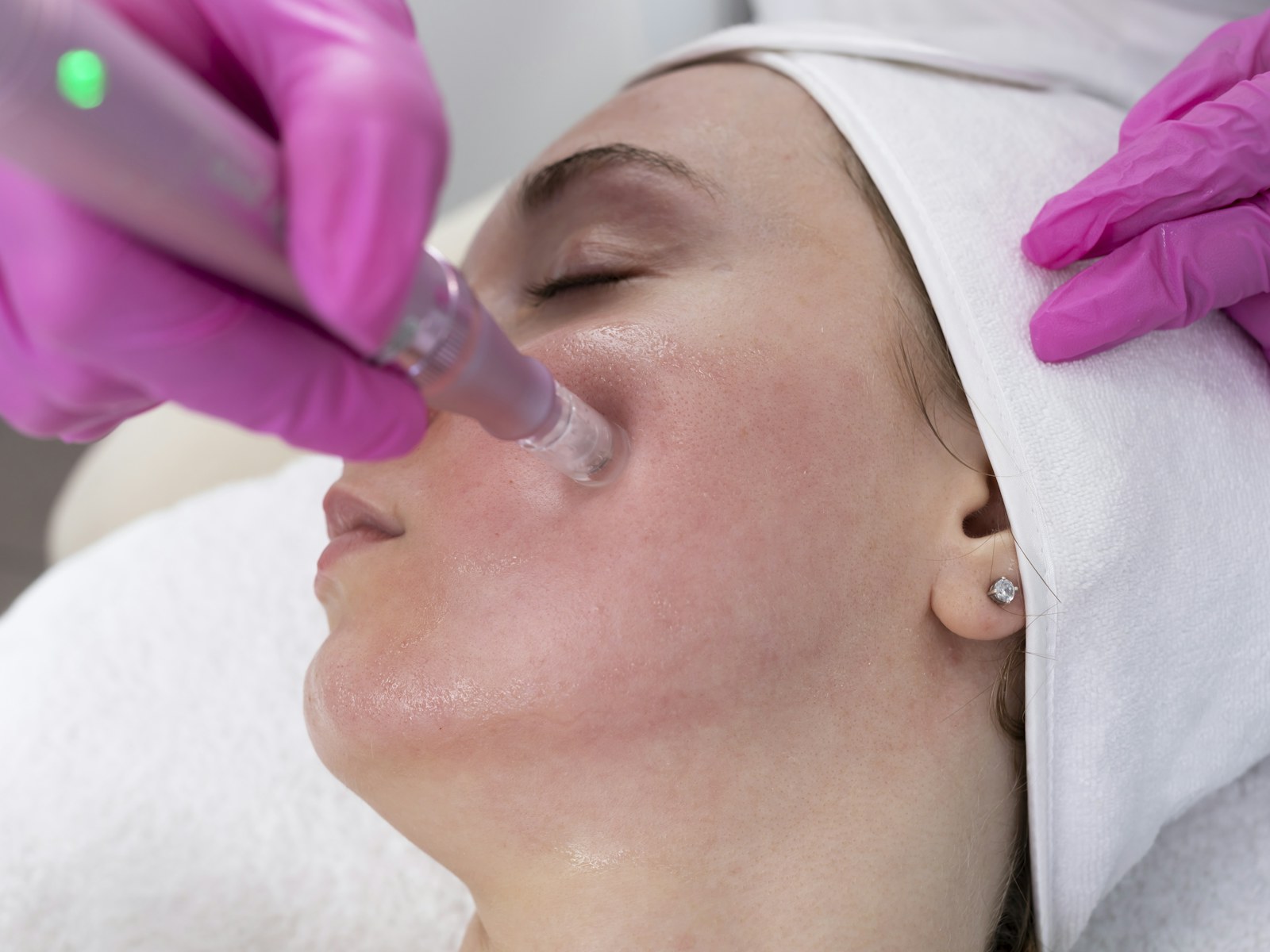
Conventional microneedling creates tiny channels in the skin with fine needles. The RF method adds thermal energy to this process. The FDA’s device guidance explains that some microneedling devices are authorized for specific purposes, such as facial acne scars or wrinkles, but that the intended users and scope of use vary by device.[2]
Even when procedures are grouped under the same name, “needle,” that does not mean the needle structure, use of energy, or actual treatment purpose is the same. During a consultation, it is better to record the device name and the problem being treated separately rather than leave the procedure unclear. If pores, scars, and fine lines are all listed, ask which should be evaluated first.
Have the expected range of results explained in relation to both the research and your own skin
The American Academy of Dermatology explains that microneedling is used for certain skin concerns, including scars, and that improvement appears gradually, with multiple treatments sometimes required. At the same time, it notes that some comparative studies related to RF are small and that further research is needed. This general guidance should not be interpreted to mean that the same result is guaranteed with a particular device or skin condition.[3]
Rather than asking, “How many treatments until it is finished?” start with, “What condition are we aiming to improve, and to what extent?” Even when looking at comparison photos, check whether the lighting was the same, when the assessments were made, and whether other treatments were performed at the same time. These questions are not intended to guarantee an outcome, but to clarify the conditions of the consultation.
Do not describe redness and serious adverse events as though they were the same thing
The FDA’s general guidance on microneedling devices lists various reactions, including bleeding, bruising, redness, tightness, and peeling, as well as risks such as changes in pigmentation and infection. Burns and nerve damage, which are mentioned separately in the RF safety communication, should not all be reduced to temporary “downtime.”[1][2]
Before the procedure, obtain separate information about the expected course, changes that warrant contacting the clinic immediately, and what to do if the clinic cannot be reached. Do not use the article alone to decide that pain or swelling is normal and simply wait; if you suspect an abnormal reaction after the procedure, seek an evaluation from a medical professional.[1]
For a trip to Korea, plan aftercare before scheduling the procedure
International readers preparing to visit a dermatology clinic in Seoul or Gangnam can include the device name, treating medical professional, available consultation languages, and follow-up plan in their appointment inquiry. If the return date is fixed, share that date first as well. What matters here is not a blanket recommendation to stay for a set number of days, but receiving a plan tailored directly to the procedure and your circumstances.
If the package includes cosmetics or injectable products, confirm separately the purpose and instructions for each step. The FDA advises that its authorization of microneedling devices should not be understood as approval of their safety or effectiveness when used with other products. U.S. authorization does not replace product-specific authorization in Korea, either.[2]
Q. Can I try something similar at home with a device intended for home use?
The FDA identifies RF microneedling as a medical procedure that should not be performed at home. It is not something to substitute by estimating your own level of skill or hygiene management.[1]
Q. Is it the procedure that should be considered first for every skin concern?
There is no basis for deciding that. Depending on the skin’s condition and the desired change, first assess whether treatment is needed at all, and discuss other options, including choosing not to undergo the procedure. Deciding what is better based only on a particular price or number of recovery days is not an adequate comparison.
DERME VERDICT
The criteria for choosing RF microneedling are not a famous device or a single advertisement promising a short recovery. Check together whether the device suits the intended purpose, how far the evidence goes, who will perform the procedure, and how problems will be handled if they arise. Use consultations with specific explanations of both benefits and risks as your standard.