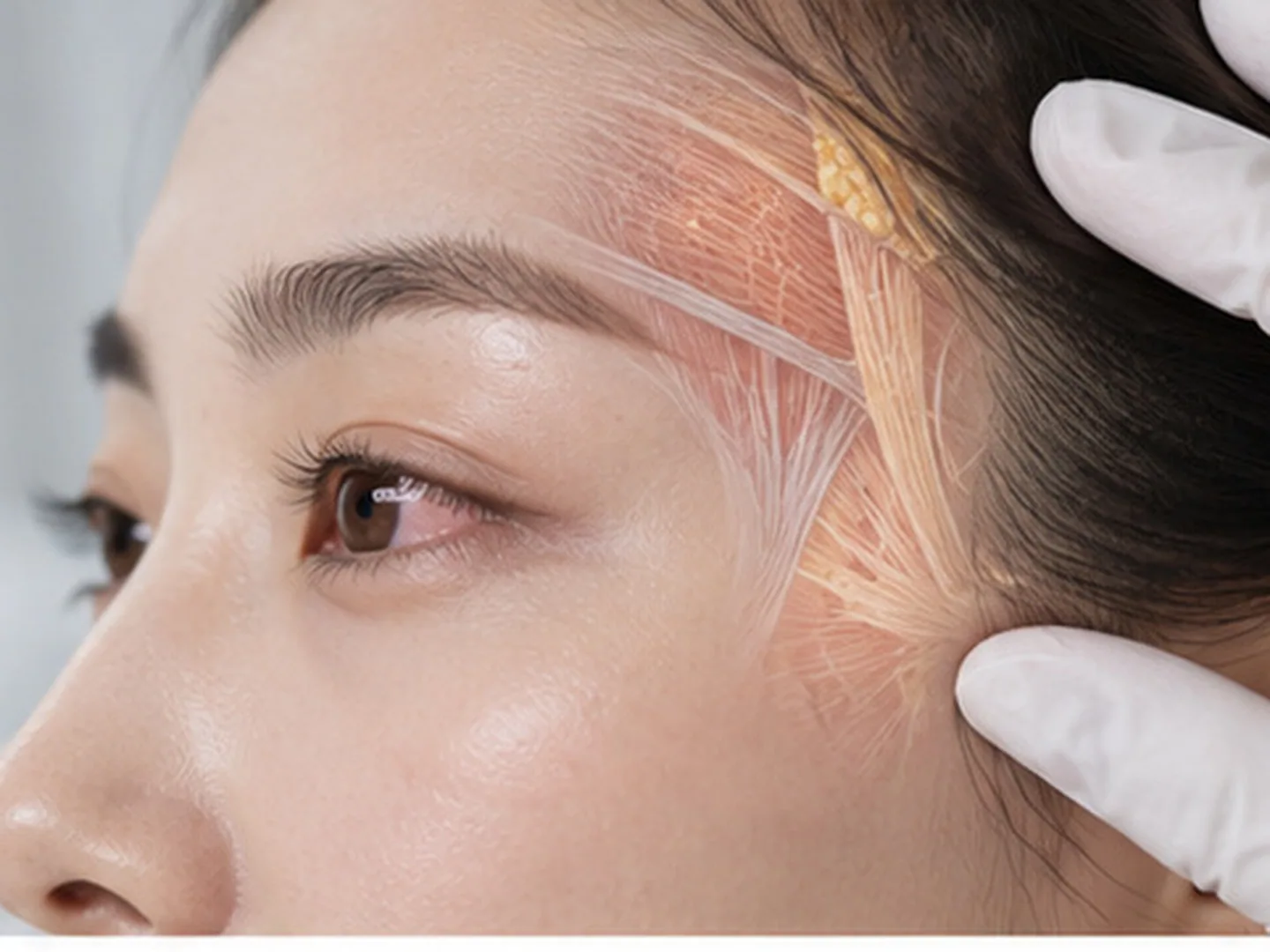
The takeaway: RF microneedling is a medical procedure that delivers radiofrequency heat energy into the skin through microneedles. In a 2025 safety communication, the FDA reported serious adverse events associated with certain uses, and two studies published in 2026 analyzed the FDA’s MAUDE database to summarize the problems that had been reported.[1][2][3]
How is RF microneedling different from conventional microneedling?
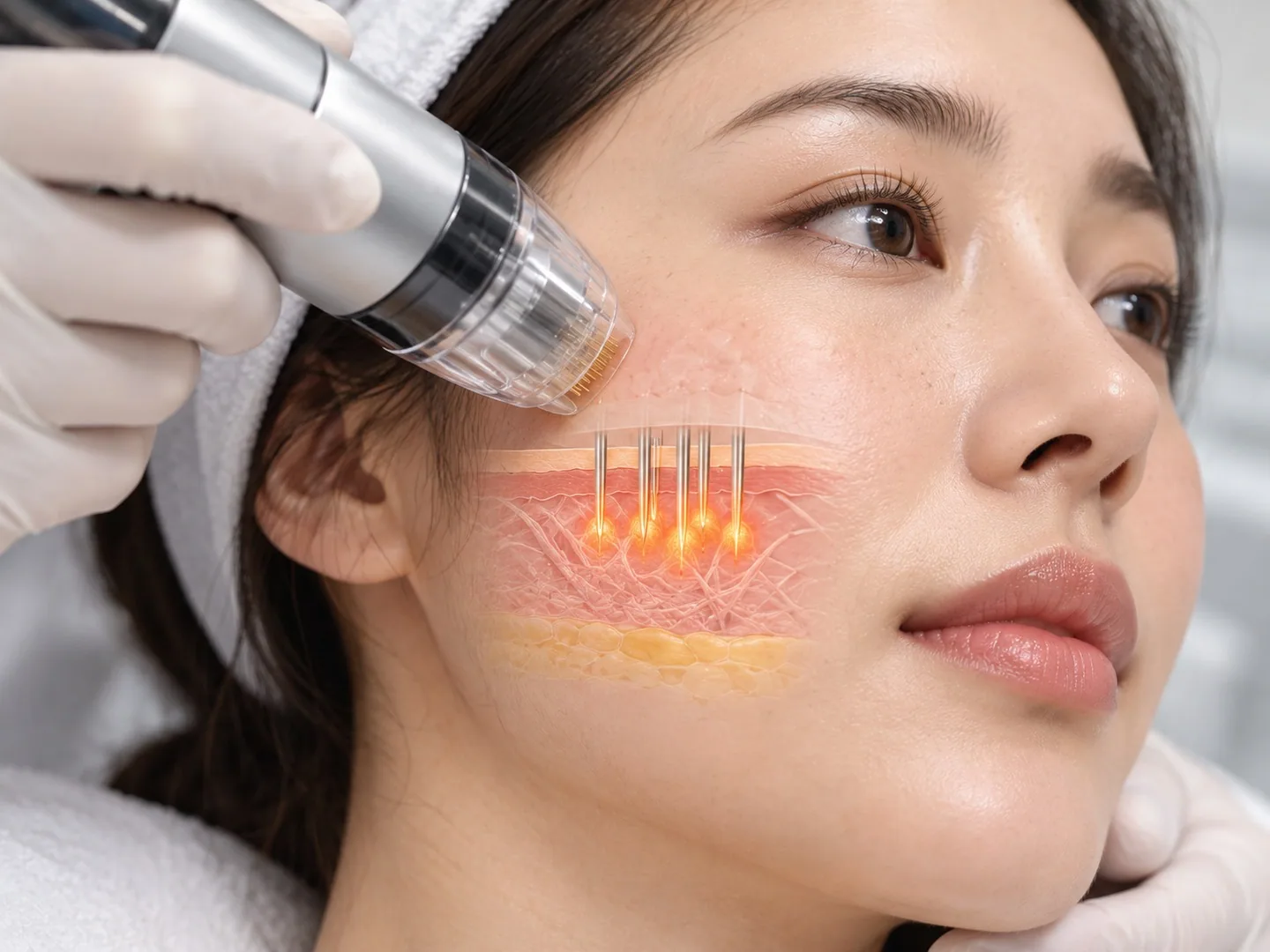
Conventional microneedling uses small needles to create microchannels in the skin. RF microneedling adds radiofrequency energy to create a thermal response at a specific depth within the skin.[1] That is why device settings—such as needle depth, power, and treatment area—are important for both results and safety.
What did the 2026 MAUDE analyses show?
One study identified 145 adverse events in 86 device reports from 2020 to 2025, while another summarized 224 events in 114 reports from 2013 to 2025.[2][3] The reports included changes in skin texture, pigment changes, fat loss, scarring, and inflammatory reactions.
Do the number of reports represent the incidence of side effects?
No. MAUDE is an adverse-event surveillance database, so the total number of procedures—the denominator—is unknown.[2][3] Underreporting and duplicate reports are also possible. The number of reports alone should not be used to calculate a risk rate or declare one device superior to another.
What should be checked before treatment?
First, confirm the name of the device and its authorized indications. The FDA explains that certain microneedling devices are cleared only for specific areas and purposes.[4] It is also worth asking whether the practitioner has sufficient experience with the device and how they will adjust needle depth and energy for your skin thickness and treatment area.
Does more intensity mean better results?
Not necessarily. With energy-based procedures, the key is to create the desired response in the target tissue while minimizing unnecessary stimulation of surrounding areas. Higher power alone does not guarantee better results.
Frequently asked questions
Is RF microneedling suitable for all acne scars?
No. Treatment choices vary depending on the type of scar, skin tone, and whether active acne is present. Results from a study of one device cannot be directly applied to another device or to every type of scar.
Can cosmetics or vitamins be delivered through microneedling?
The FDA explains that, separately from cleared microneedling devices, it has not authorized microneedling devices to deliver cosmetics, topical drugs, vitamins, or other products into the skin.[4] The intended purpose and the product should be checked separately.
DERME VERDICT
The 2026 MAUDE analyses are surveillance data showing the types of events reported in connection with RF microneedling.[2][3] When choosing a treatment, it is reasonable to check the device’s authorized purpose, treatment area, the practitioner’s experience, and their plan for conservative settings before considering the package price.
- Source
- [1] U.S. FDA·Potential Risks with Certain Uses of Radiofrequency Microneedling·2025-10-15
- [2] Dermatologic Surgery·Safety Considerations and Complications With Radiofrequency Microneedling·2026-09-01
- [3] Dermatologic Surgery·Analysis of US FDA Data on Radiofrequency Microneedling Device Complications·2026-09-01
- [4] U.S. FDA·Microneedling Devices