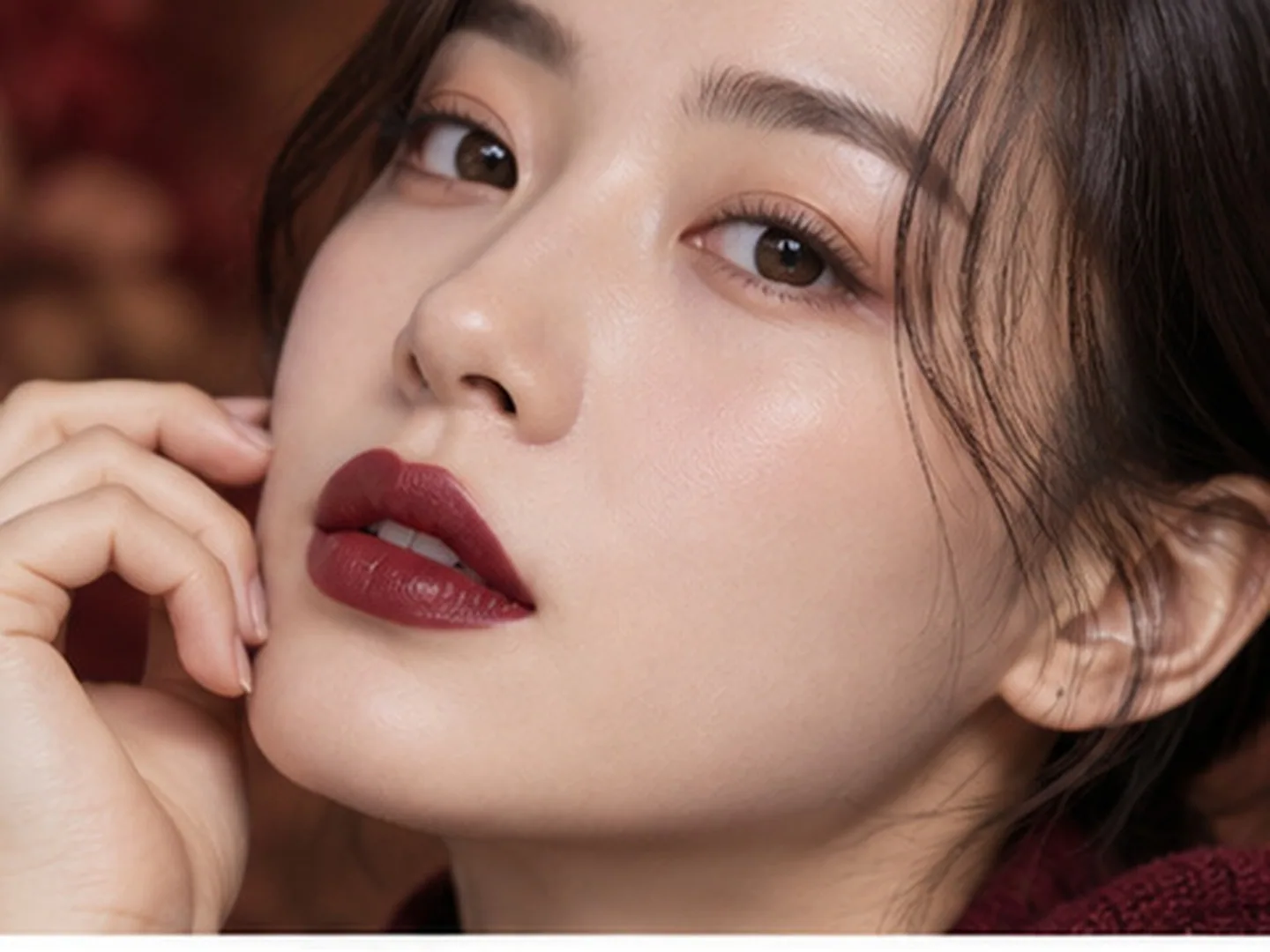
The key point: Post-Sun Blush is a way of using makeup to create the color of skin that has been ‘in the sun’—without actual sun exposure. At Milan Fashion Week in September 2026, the rose and burgundy tones connecting across the cheeks and bridge of the nose were introduced as a key beauty trend in the Spring 2027 collections.[1]
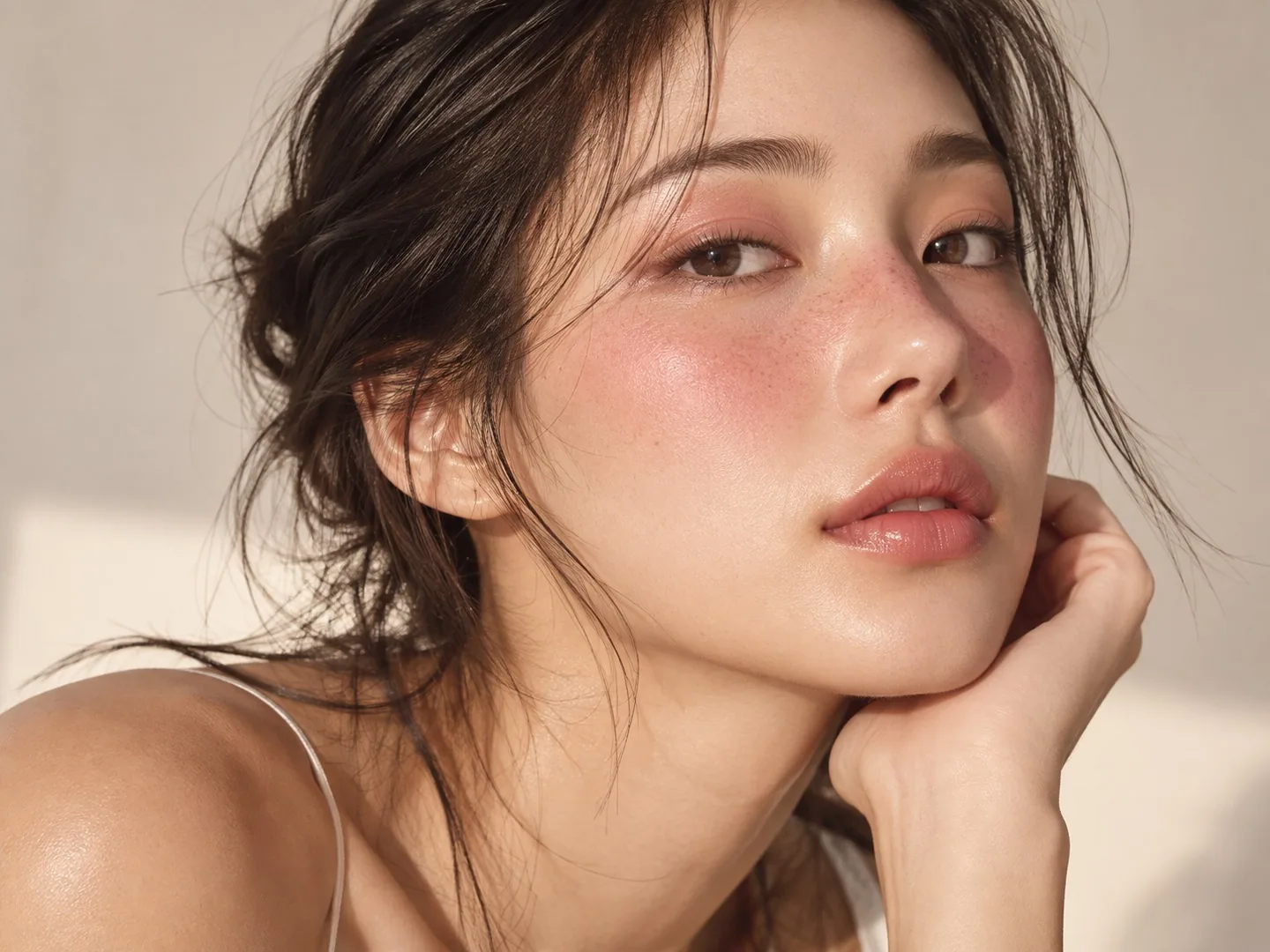
What kind of makeup is Post-Sun Blush?
Vogue described the looks on the runways of Missoni and Alberta Ferretti, among others, as Post-Sun Blush, with rosy and burgundy tones blended across the cheeks and nose.[1] The point is not to recreate actual skin inflammation, but to borrow the color placement of a natural flush.
Couldn’t you create the same color with a real tan?
The FDA explains that there is no such thing as a safe tan, and that skin darkening after UV exposure is a response to skin damage.[2] The trend’s color should therefore be created with makeup, while tanning the skin itself is best avoided.
How can you apply it without making it look like sunburn?
Start by applying a small amount to the highest points of both cheeks, then use only what remains on the brush or puff to connect the color across the bridge of the nose. On cool skin tones, berry and plum shades work well; on warm skin tones, brick and rose-brown shades that blend with the complexion can help reduce excessive redness.
Can blush be applied over sunscreen?
Yes. Apply enough sunscreen first, then add color by pressing or tapping rather than rubbing. The American Academy of Dermatology recommends choosing a broad-spectrum, water-resistant product with SPF 30 or higher, and reapplying about every two hours outdoors or after swimming or sweating.[3]
Can you recreate the look on skin that has actually been sunburned?
If the skin feels hot or stings, avoiding UV exposure and allowing the skin to recover should come before color makeup. There is no need to add makeup over reddened skin to recreate the trend.
Frequently Asked Questions
Is it the same as bronzer?
No. Bronzer adds a broader wash of brown shading, while Post-Sun Blush focuses a rosy or red flush around the cheeks and nose.
Can it be worn in autumn, too?
Yes. Using deeper shades such as burgundy, wine, or rose brown in a sheer layer rather than coral creates a natural connection with autumn makeup.
DERME VERDICT
Milan’s Post-Sun Blush is not a trend that recommends actual tanning. Protecting the skin from UV exposure and borrowing the warm color of skin that seems to have returned from vacation—using makeup alone—is the simplest and safest interpretation.[1][2]
Sources
[1] Vogue · At Milan Fashion Week, Glam Got Unruly: 5 Key Beauty Trends to Know · 2026-09-29
[2] U.S. FDA · The Risks of Tanning
[3] American Academy of Dermatology · How to apply sunscreen · 2025-08-15