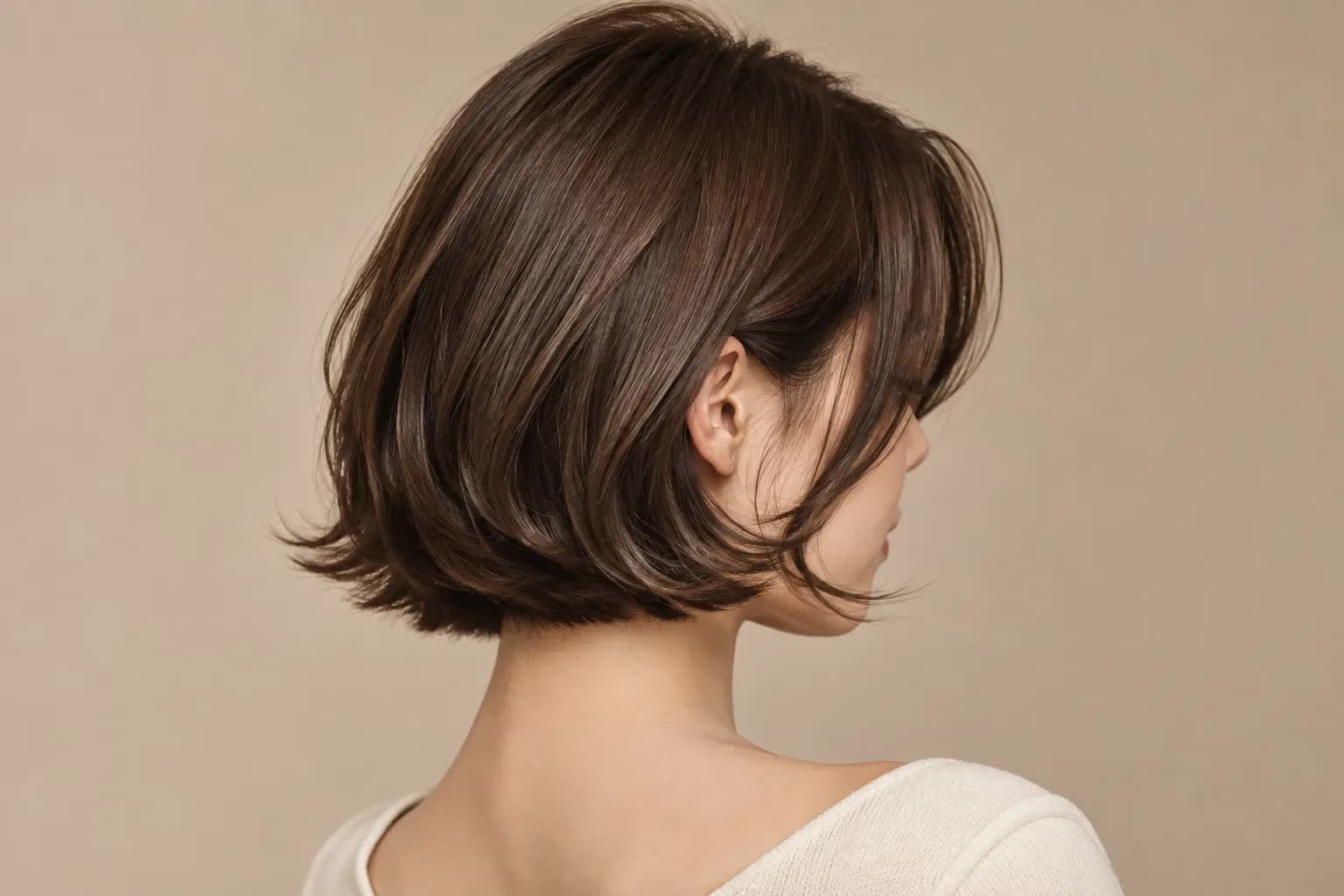
The key to growing out gray hair with style is not how perfectly you cover it, but how smoothly you connect newly grown silver strands with previously colored hair. Gray blending does not eliminate gray hair; instead, it combines multiple shades through highlights, lowlights, and tonal adjustments. [1][2]
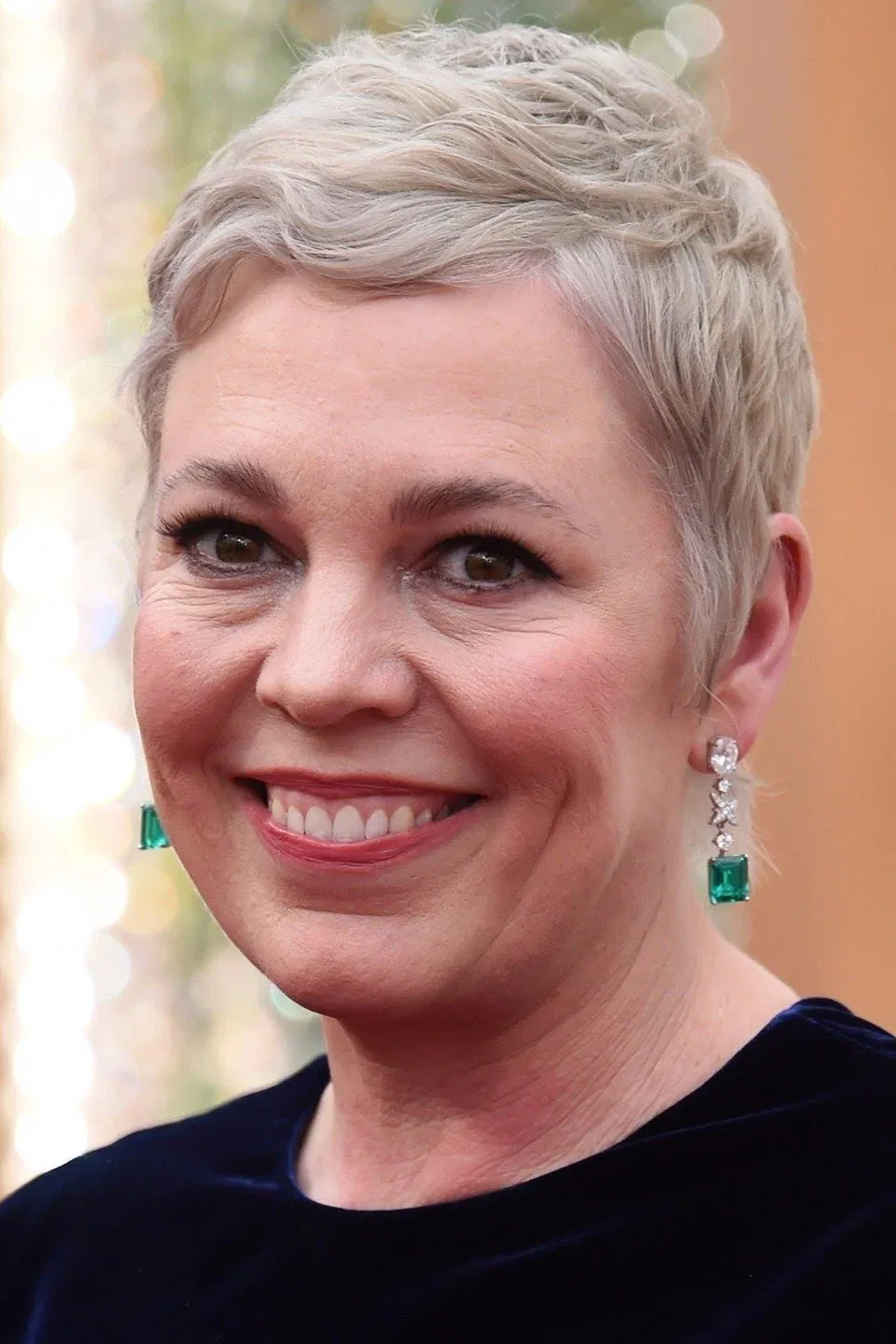
On October 17, 2026, Vogue highlighted Olivia Colman’s gray hair among the week’s beauty looks as a choice that does not conceal age. More significant than the color, however, was the texture in the hairstylist’s explanation published two days earlier. Rather than straightening and smoothing her natural curls, the styling brought out their volume and movement. [1][3]
How is gray blending different from gray coverage?
All-over gray coverage focuses on matching the color evenly from the roots through the lengths. Gray blending, by contrast, treats silver strands like highlights and reduces the contrast between dark and light hair. As a result, the distinct line that appears as the roots grow out is less noticeable. [2]
The deciding factor is contrast, not the percentage of gray. If thick white strands are scattered through dark hair, fine highlights and a low-saturation gloss can soften the boundary. If a high proportion of the hair is already silver, gradually cutting away the remaining dark, color-treated hair rather than adding more lightening can help reduce damage.
Why can silver hair look dry and coarse?
Hair appears gray because its melanin pigment has decreased. At the same time, hair density and sebum production can change with age, making even the same cut appear less glossy and flexible. Gray hair itself is not necessarily damaged, but it is a reason to shift the focus of care from color correction to moisture and surface smoothing. [4]
A simple personal guideline is useful here. If yellow tones are the first thing you notice in the mirror, prioritize color correction; if it is frizz, focus on conditioning; if it is flatness, start with the cut and blow-drying direction. Trying to solve all three problems with a single purple shampoo may make silver hair cooler while leaving it drier.
Should you use purple shampoo every day?
Purple shampoo uses violet pigments to visually neutralize yellow tones. Because it is a cleanser rather than a bleach, it does not make gray hair lighter. Depending on the product’s concentration and the hair’s porosity, it can leave a purple cast or cause dryness. It is safer to start by using it about once a week when yellow tones appear and assess the result before increasing the processing time. [3]
On other wash days, concentrate a mild shampoo on the scalp and apply conditioner from below the ears. If your hair is curly, scrunch in a lightweight leave-in product while it is wet and dry it with a diffuser on a low heat setting. Shine comes less from hot air than from habits that disturb the cuticle less.
What is the process for transitioning to gray hair while reducing dyeing?
First, record the date of your last all-over color and the current length of your roots. Second, decide whether, at eight- to 12-week intervals, you want to lower only the contrast at the part and around the face rather than cover the entire head. Third, over two or three haircut cycles, gradually add more light strands to shift the boundary between colored and natural hair.
During the transition, it can be useful to view photos in black and white. If the difference in light and dark tones is pronounced, more blending is needed; if the tones are even, a haircut and texture styling may be more effective than color correction. The finished look of silver hair is determined less by the amount of gray than by how the surfaces that catch the light connect.
Is a patch test necessary before coloring gray hair?
Yes. The U.S. Food and Drug Administration advises performing a skin patch test according to the product’s instructions every time you use hair dye. An allergic reaction can develop even if you have had no previous problems, and paraphenylenediamine (PPD) is known as an ingredient that can cause repeated reactions. [5]
If the test area becomes red, itchy, or swollen, do not proceed with the full color treatment. If eczema spreads across the scalp, eyelids, or around the neck, rather than relying only on the words “gentle” or “low-irritation,” it is better to bring the product’s full ingredient list to a dermatologist to identify the cause.
Frequently Asked Questions
Can gray blending look natural on black hair?
It can, but the large difference in brightness means that lightening everything at once can create a striped effect. It is more natural to use fine strands around the face and mix in darker lowlights toward the back, gradually reducing the contrast.
Does gray hair need to be cut short?
Not necessarily. As Olivia Colman’s long curls show, silhouette and texture matter more than length. However, if a great deal of damaged, color-treated hair remains, regular trims can shorten the transition period. [1][3]
DERME VERDICT
Hiding gray hair and designing it are two different things. If the root line is stressful, use gray blending to reduce the contrast, and reserve purple shampoo for situations where yellow tones are the issue. What makes silver hair look most refined is not perfect gray, but healthy shine, lively curls, and a transition pace that does not overreach.
- Source
- [1] Vogue·Beauty Marks: The Best Beauty Looks of the Week·2026-10-17
- [2] Vogue·Gray Blending: This Hair Color Trend Makes It Easy to Embrace Your Grays·2026-04-18
- [3] Allure·Olivia Colman's Hairstylist Shares the Secrets Behind Her Wicker Curls·2026-10-15
- [4] American Academy of Dermatology·What causes gray hair, and can I stop it?
- [5] U.S. FDA·Hair Dyes