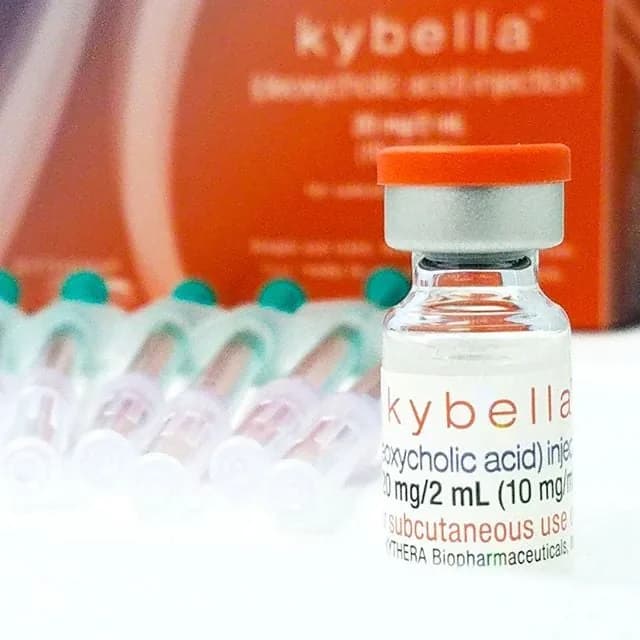
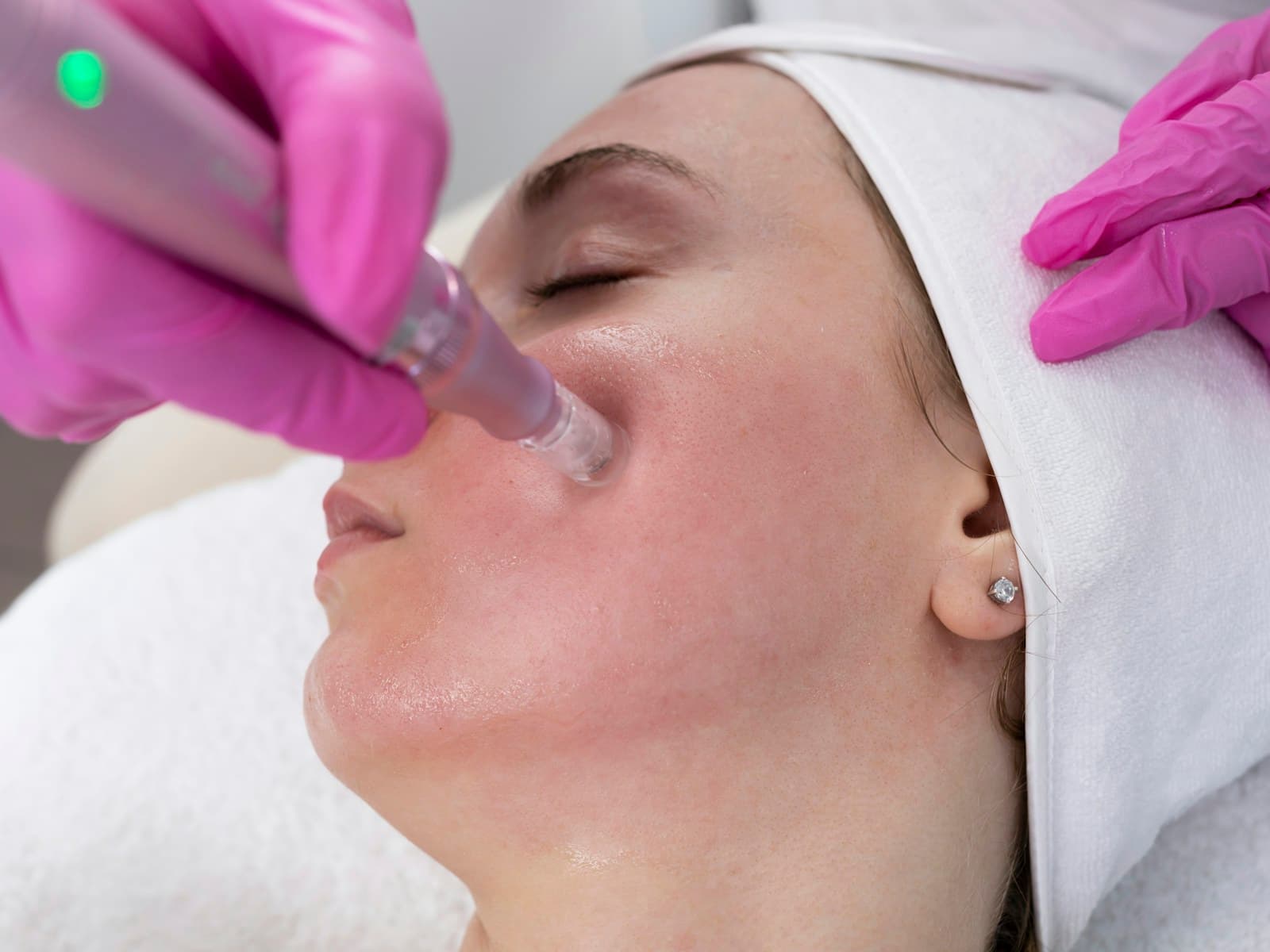
The key point: In botulinum toxin treatment, the first things to check are not which brand is more famous, but whether the product comes from a legitimate source, how it was stored and managed, and whether the practitioner is qualified and provides a clear explanation. In an April 2026 warning letter to a cosmetic medical practice, the U.S. FDA cited issues involving the supply chain and inventory and labeling management of a botulinum toxin type A product.[1]
Botulinum toxin is a medicine that temporarily reduces signal transmission between nerves and muscles. It is used to reduce expression lines such as frown lines and crow’s feet, as well as excessive activity in specific muscles. However, approved indications and unit systems vary by product, so one vial should not be assumed to be equivalent to another.
Why should authenticity and distribution be checked before the Botox brand?
The FDA’s April 2026 warning letter to Pure Indulgence Aesthetics addressed botulinum toxin vials with unclear labeling, discrepancies in purchase and preparation records, and issues involving the requirements for legitimate trading partners.[1] Because this is a U.S. regulatory enforcement case, it cannot be applied directly to individual medical institutions in Korea. For patients, however, it demonstrates the principle that it is important to check not only the product’s name, but also where it was supplied from and how it was managed.
In 2025, the FDA also warned 18 websites over the illegal sale of botulinum toxin-related products, explaining that unapproved products or products purchased through unofficial supply chains may be counterfeit, contaminated, or improperly stored.[2] A low price alone is not evidence of counterfeiting. Still, rather than choosing a treatment solely because the price is unusually low, it is reasonable to check the product name, manufacturer, and distribution route.
What should you check before a consultation?
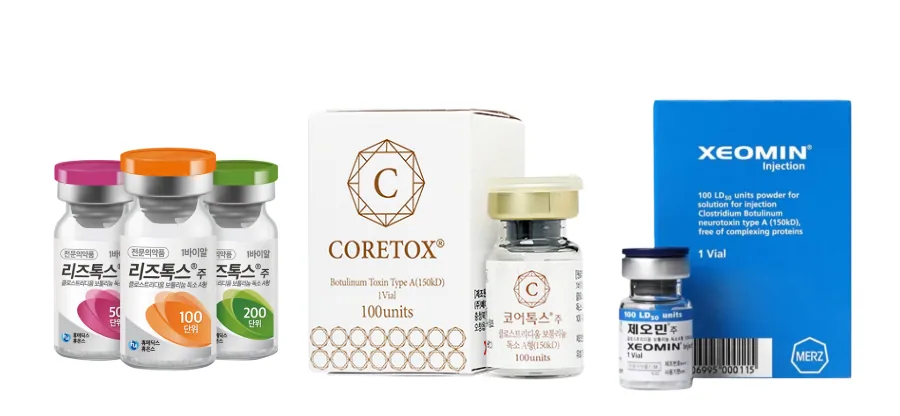
First, ask for the exact name and manufacturer of the product that will actually be used. Second, receive an explanation of the treatment area and goal, the planned dose or number of units, and the follow-up plan. Third, confirm that a medical professional will personally examine and perform the treatment. Fourth, the medical institution should be able to explain whether the product was supplied through an official distribution channel. Fifth, confirm how to make contact after treatment and what to do in an emergency.
Is hearing the words “authentic product” and “correct dosage” enough?
Advertising language alone is not enough. Patients should check whether the actual product used, treatment area, number of units, practitioner, and records are all connected. Because patients cannot reliably determine authenticity from the packaging alone, a trustworthy medical institution and a legitimate supply chain are more important.
Which adverse-effect signs require immediate medical attention?
Botulinum toxin may cause relatively localized reactions such as pain at the injection site, bruising, or temporary asymmetry. The FDA, however, has warned of serious symptoms associated with the systemic effects of botulinum toxin in connection with unapproved botulinum toxin products, including difficulty swallowing, difficulty breathing, and generalized muscle weakness.[2] If these symptoms occur, do not wait for them as part of the usual recovery from a cosmetic procedure; seek immediate medical evaluation.
Why do Botox prices vary?
Costs may vary depending on the product, the number of units required, the number of treatment areas, how the medical professional conducts the consultation and procedure, and whether follow-up care is included. Comparing only the lowest price per area can therefore make it easy to overlook differences in the actual number of units injected or aftercare. When requesting an estimate, it is easier to compare options if you also check the product name, estimated number of units, and whether the retouch policy is included.
Frequently Asked Questions
Are imported products automatically safer?
No. Safety cannot be judged by country of origin or brand alone. It is also important to determine whether the product is legally approved and distributed in that country, whether it was stored properly, and whether an appropriate medical professional uses it for the correct indication and at the correct dose.
Can a product be counterfeit even if the packaging looks genuine?
Yes. In a 2024 case involving counterfeit Botox found in the United States, the FDA disclosed lot, labeling, and packaging clues that differed from those of genuine products.[3] Because patients cannot perfectly determine authenticity from packaging alone, checking the medical institution’s supply chain and records should take priority.
DERME VERDICT
With botulinum toxin, check these four things before making a simple comparison between a “cheap” and an “expensive” provider: the product’s source, the practitioner, the number of units, and aftercare. The FDA enforcement case from 2026 illustrates safety principles that may also be relevant in Korea, despite the different regulatory environment. However, the U.S. warning case should not be overinterpreted as a judgment on the approval status of products in Korea or the safety of any specific hospital.[1][2]