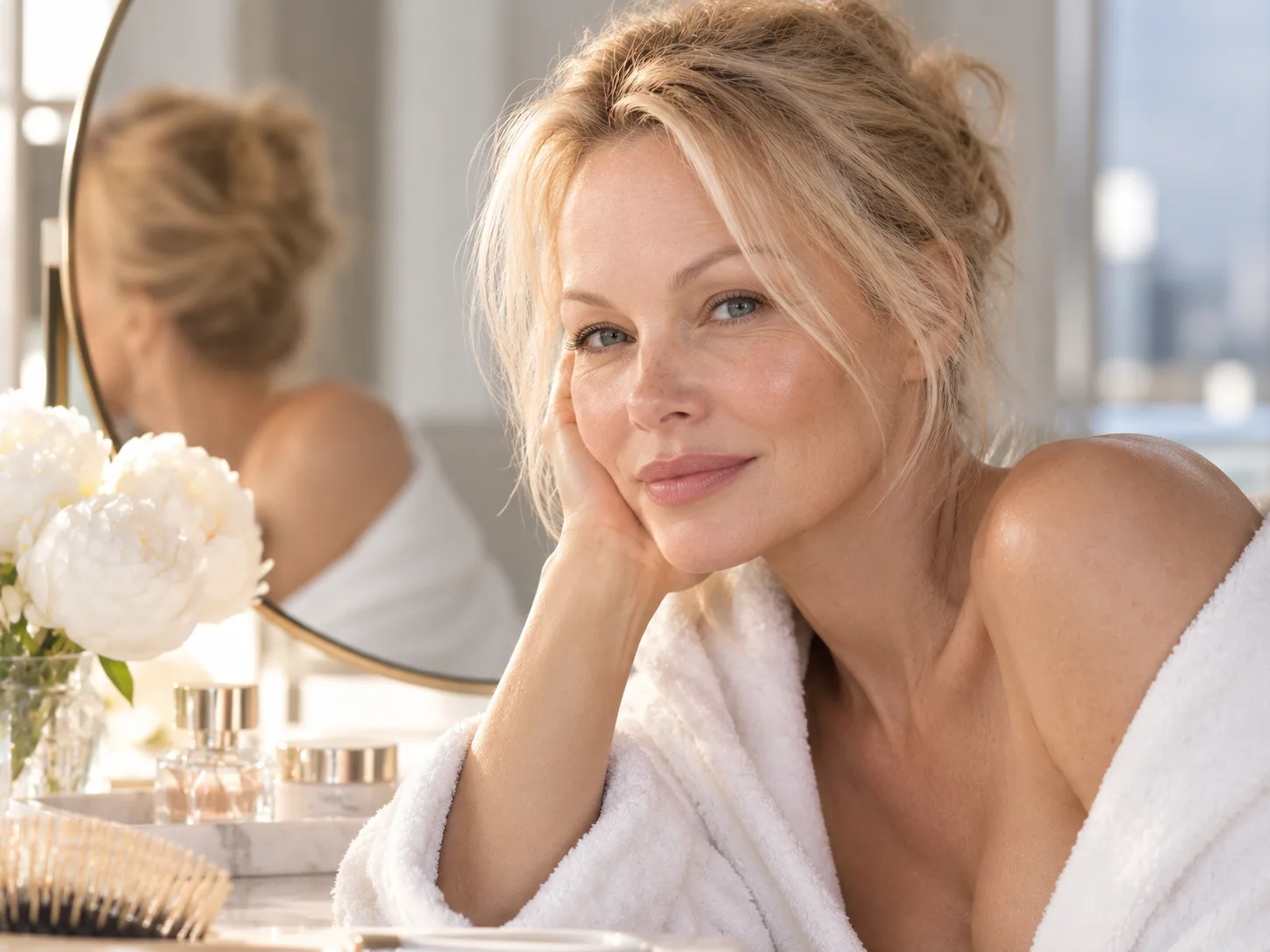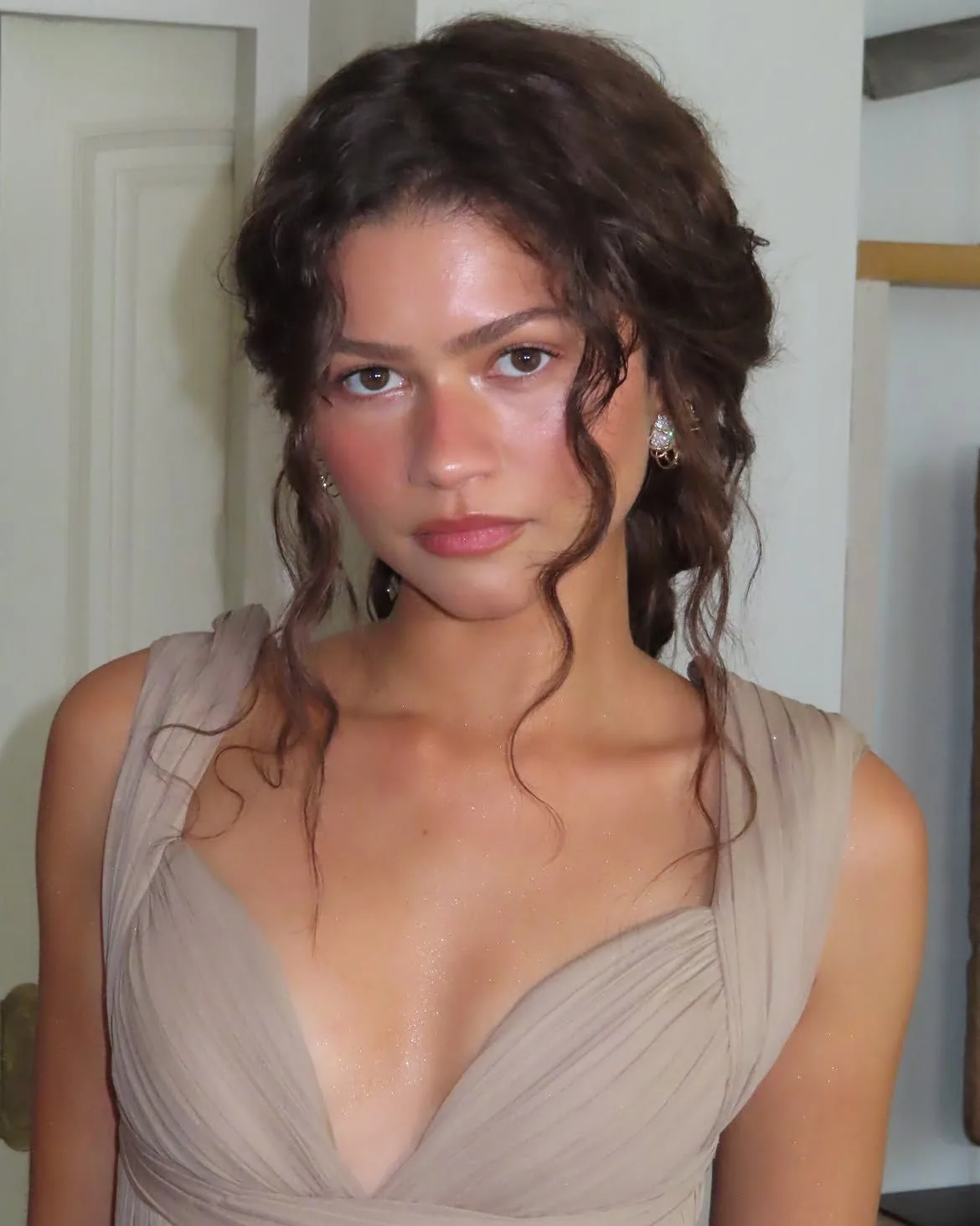
The short answer is that skin that looks great without looking made up is not skin with almost no makeup on it. It is closer to makeup that lightly evens out the complexion, adds color and glow only where needed, and makes the skin look naturally good. Zendaya’s 2026 red-carpet looks are a useful example for understanding the difference.
We should not speculate about Zendaya’s actual skin condition or dermatological treatment history based on photographs alone. Here, we will look only at publicly available descriptions of her makeup and address the reader’s question: how can skin still look good beneath a light layer of makeup?
What was different about Zendaya’s natural glam in 2026?
At the New York premiere of The Odyssey in July 2026, makeup artist Ernesto Casillas described the direction as making Zendaya’s skin look fresh, luminous, and naturally sun-kissed. Rather than covering the skin heavily, the approach used a thin layer of base and concealer, with a natural transition of color.
At the Emmys in September, the overall impression was completed by coordinating the brows, eye makeup, and even her short hairstyle with the naturally appearing skin. The natural look seen in photographs was not an untouched state, but a carefully calculated naturalness achieved by restraining several elements.
How is makeup-created radiance different from healthy skin?
Makeup can quickly change the way skin reflects light and its color. Foundation and concealer disguise differences in skin tone, blush creates color, and a luminous base emphasizes where the light falls. So skin that appears radiant in a photograph does not necessarily mean that the skin barrier is healthy or that there are no pigmentation or pore concerns.
Actual skin care addresses problems that remain after makeup is removed. Recurring acne, melasma and dark spots, visibly enlarged pores, rough texture, persistent redness, and dryness can be improved in appearance with makeup, but makeup does not treat their causes.
How can you achieve skin that looks good even with a thin layer of foundation?
First is hydration and the skin barrier. When skin is severely dry, flaking makes it difficult for even a thin base to adhere evenly. Gentle cleansing and moisturizing should be the foundation, and if your skin often stings, avoid introducing several new active ingredients at once.
Second is sun protection. Covering existing pigmentation with makeup and reducing new changes in pigmentation are separate issues. Daily photoprotection is the basis of managing skin tone and photoaging.
Should I focus first on pigmentation, pores, or dryness?
If brown spots and an uneven complexion are the first things you notice, pigmentation may be the primary concern. If the surface looks uneven and does not reflect light evenly even with foundation, pores or skin texture may be having a greater effect. If tightness after cleansing and flaking recur, and makeup cracks, dryness and the skin barrier should be considered first.
This distinction matters because the same desire for glowing skin can call for different solutions. One person may need pigmentation treatment, another may need pore or texture care, while for someone else moisturizing and reducing irritation may come before procedures.
When should you consider dermatological treatment?
If pigmentation is the main concern, the type of pigmentation and skin tone should be assessed first, after which pico lasers or low-fluence toning may be considered. If pores and texture are central concerns, microneedling, radiofrequency microneedling, lasers, or regenerative treatments may be selected depending on the cause.
Seolleim Clinic officially lists Silky Pore Injections, Shining and Royal Rejuran, and Super Miracle Glow Injections. This is information for confirming the clinic’s current offerings and is not independent clinical evidence guaranteeing effectiveness for any particular patient.
Are dermatological procedures essential for achieving natural glam?
No. If you have no skin disease and your basic skin condition is stable, moisturizing, sun protection, irritation-reducing skin care, and makeup may be enough. Procedures are not an essential step for making makeup apply well; they are an option when you have a specific concern that persists even after makeup is removed.
If my pores are visible, should I start with a skin booster?
Not necessarily. Pores are affected by multiple factors, including sebum, elasticity, scarring, and skin texture. The cause should be distinguished first, and treatment selected accordingly.
If my skin lacks radiance, is a glow injection the quickest option?
Not always. If the issue is simply dry skin, adjusting your moisturizer and cleansing habits should come first. When dryness or texture concerns do not resolve with home care and injectable treatment is appropriate, HA- or PN-based treatments may be considered selectively.
Dr. Kang Jeong-ha’s Recommendations
First, when your skin feels dull, do not immediately choose a procedure by name. First determine which is the greatest concern: pigmentation, pores and texture, or dryness. In daily life, make three things the foundation: use sunscreen every day, reduce excessive cleansing and exfoliation, and moisturize consistently.
Second, if brown pigmentation and an uneven complexion are your greatest concerns, you may first consider pigmentation treatments such as pico-based procedures or low-fluence laser toning. If pores and texture are central, pore and texture treatments such as Silky Pore may be options; if dryness and fine textural irregularities are central, PN-based Rejuran or HA-based glow injections may be considered depending on the condition of your skin. There is no reason to undergo every treatment from the outset.
Third, there is no need to make your goal skin that requires no makeup. Good skin care is less about eliminating makeup than reducing the problems you want to conceal so that you can use a thinner base.
Sources
[1] Vogue · Zendaya 2026 Emmys beauty look · 2026-09-14
[2] Vogue · Zendaya no-makeup makeup look, The Odyssey New York premiere · 2026-07
[3] American Academy of Dermatology · Skin care basics · accessed 2026-09-25
[4] Seolleim Clinic · Silky Pore Injections · accessed 2026-09-25
[5] Seolleim Clinic · Shining and Royal Rejuran · accessed 2026-09-25
[6] Seolleim Clinic · Super Miracle Glow Injections · accessed 2026-09-25

Interesting Skin Stories for Healthy Skin
Drawing on 16 years of experience running Seolleim Clinic in Gangnam, we explain approachable, engaging stories about dermatology—including skin-care methods you can practice in daily life and topics involving celebrities, public figures, and television. Through professional knowledge and experience, we hope to help your skin look healthier and more beautiful. We hope this series broadens your understanding of skin and helps you discover ways to care for yourself.
Dr. Kang Jeong-ha, Director (Seolleim Clinic, Gangnam)