Key takeaway: A base that makes skin look good is less about being ‘as thin as possible’ than about avoiding irritation to the skin’s surface and correcting only where needed. In May 2026, Han Ga-in shared on her YouTube channel the clean makeup used for filming and the red-carpet makeup for important occasions, created by the hair and makeup artist who has worked with her for 23 years.[1][2]
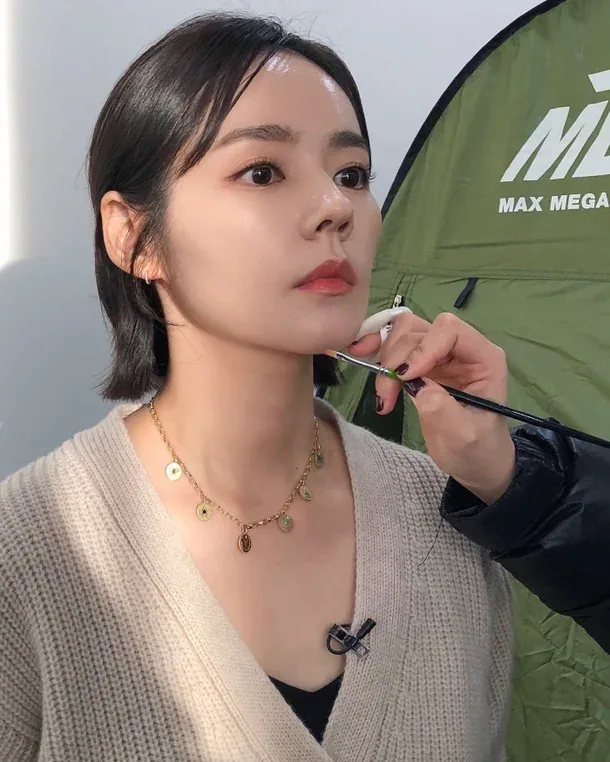
How did the two makeup looks Han Ga-in shared differ?
In the related video, Han Ga-in presented two looks: clean, fresh makeup without a strong concept, such as for a commercial or drama shoot, and makeup designed to maximize polish, such as for an awards ceremony.[2] The key point is that even on the same face, the density of the base and color makeup changes according to the occasion.
Does using less foundation make skin look better?
The goal is not simply to use a small amount. If the skin’s texture is dry or flaky, even a thin base will not adhere evenly. Applying sufficient moisturizer after cleansing and using concealer only where needed, such as on redness or blemishes, makes it easier to reduce the amount applied in multiple layers over the entire face.
Can makeup cause breakouts?
It can. The American Academy of Dermatology (AAD) explains that some cosmetics can clog pores and cause breakouts known as ‘acne cosmetica.’[3] If your skin is prone to acne, checking for labels such as oil-free, non-comedogenic, and won’t clog pores can be helpful.
How should makeup be removed after wearing it for a long time, as during a shoot?
The AAD recommends removing makeup, including eye makeup, before going to bed and washing gently with a mild cleanser.[3] Scrubbing the skin forcefully or washing repeatedly because makeup does not come off easily can increase barrier irritation.
Can brushes and puffs also affect skin breakouts?
They can. The AAD recommends washing makeup brushes every 7 to 10 days because product residue, oil, and microorganisms can build up on them.[4] It is also important not to share puffs and brushes with other people.
If makeup keeps looking patchy, should you start with dermatological treatments?
The cause should be considered first. If dryness and irritation are the main issues, moisturizing and simplifying your products take priority; if comedonal or inflammatory acne keeps recurring, acne treatment comes first. There is no need to undergo pore, lifting, and skin-booster treatments all at once simply because makeup is not applying well.
Frequently asked questions
Can I wear foundation if I have acne-prone skin?
You can. The AAD advises that people with acne can use makeup, recommending products that do not clog pores and complete removal at night.[3]
Does using cleansing oil clog pores more?
It depends on the product and the skin. The key is not the name of a particular formulation but whether it leaves no residue after use and does not require excessive rubbing. If comedones repeatedly increase after use, try switching to another product.
Dr. Kang Jeong-ha’s recommendations
First, before a shoot or important event, do not suddenly add a new exfoliant or high-concentration active ingredient; stabilize your cleansing, moisturizing, and sun-protection routine. Second, rather than covering the entire face in multiple layers, correct only where needed, and if you are prone to acne, prioritize non-comedogenic products.[3] Third, gently remove makeup after returning home and keep brushes and puffs clean.[3][4] If recurring acne or redness is not an issue, there is no need to begin adding treatments simply to make makeup apply better. When a skin condition keeps recurring, treating its cause first takes priority.
Sources
[3] American Academy of Dermatology · I have acne! Is it okay to wear makeup?
[4] American Academy of Dermatology · How to clean your makeup brushes

Engaging Skin Stories for Healthy Skin
Drawing on 16 years of experience running Seolreim Clinic Gangnam and expertise in dermatological procedures, Dr. Kang Jeong-ha explains easy, approachable stories about dermatology, using everyday skincare methods as well as celebrities, public figures, and television as subject matter. Through professional knowledge and experience, she hopes to help your skin look healthier and more radiant. Through this series, we hope you will deepen your understanding of skin and discover ways to care for yourself.
Dr. Kang Jeong-ha, Medical Director (Seolreim Clinic Gangnam)