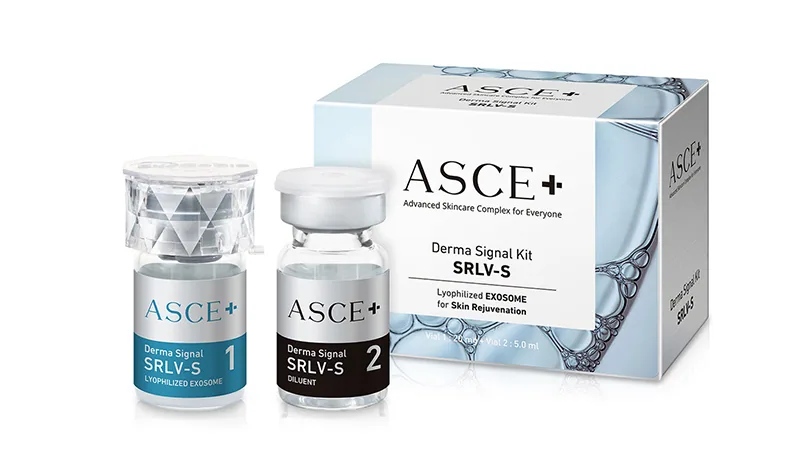
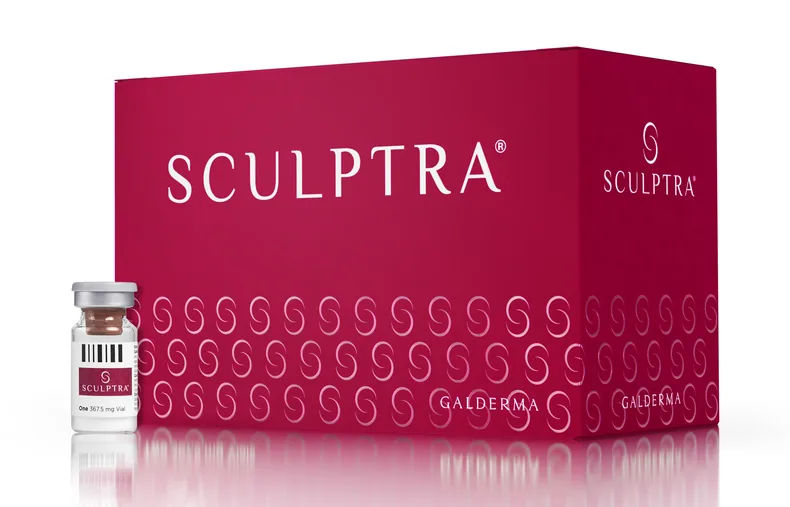
There is still no definitive conclusion that getting botulinum toxin A early for a surgical scar is always better. Some studies have found improvements in scar width and assessment scores by reducing tension from the facial muscles, but the types of wounds and timing of injections varied, and data on results perceived by patients remain limited.[1]
Botulinum toxin is a drug that temporarily weakens the signals transmitted from nerves to muscles. Its approved indications include glabellar lines, crow’s-feet and forehead lines, among others, but not the prevention of surgical scars.[2] Scar Botox is therefore not a treatment that has been shown to be “ineffective”; it is an off-label treatment, meaning it is used outside the approved indications.
How Does Scar Botox Work?
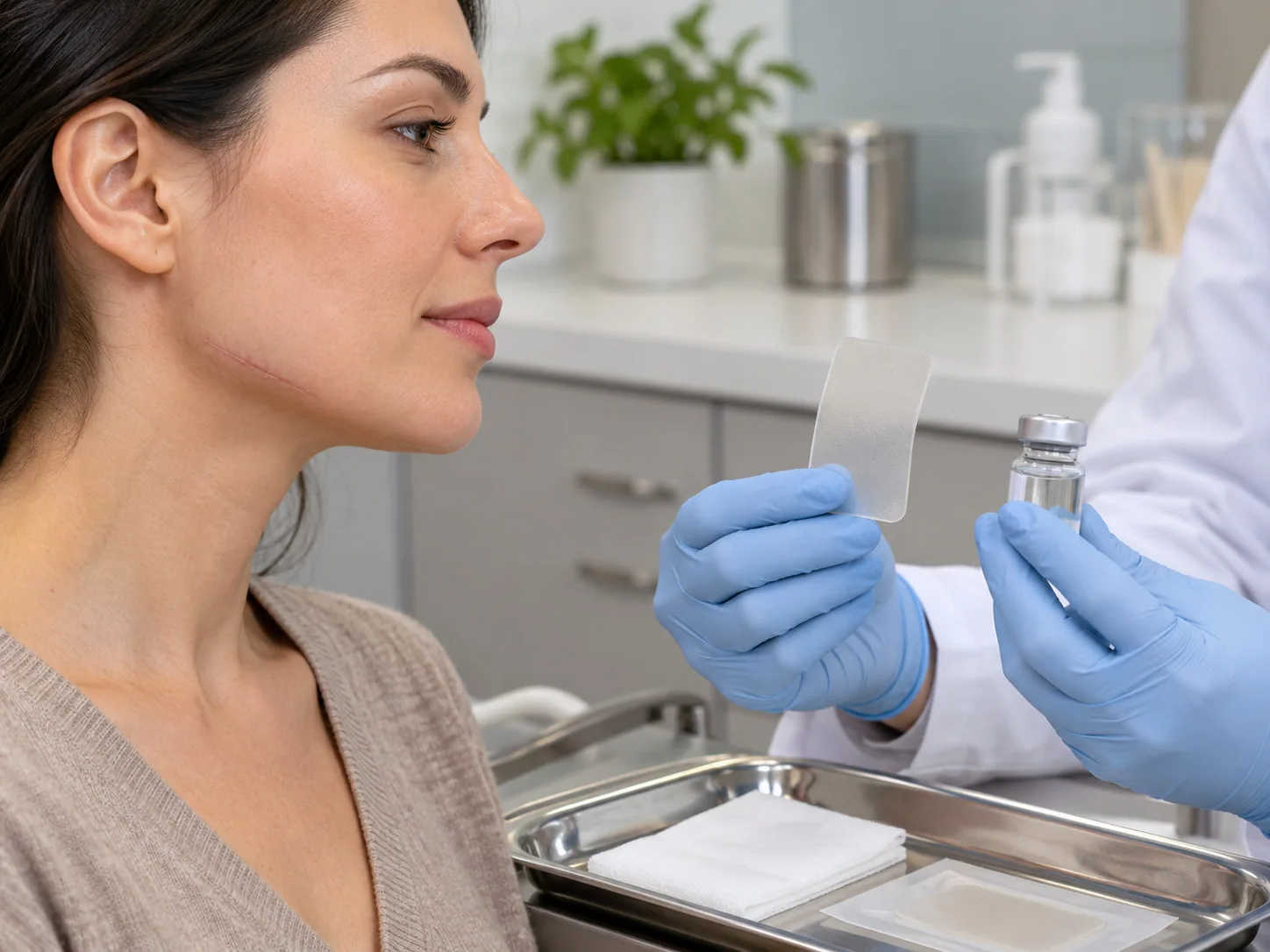
Facial wounds are repeatedly pulled by the surrounding muscles when we make expressions. If the tension placed on the suture line is high, the scar may widen. The hypothesis behind scar Botox is that temporarily reducing movement in the muscles around a wound may lessen separation of the suture line during the early stages of healing.
This principle does not apply equally to every scar. Areas with a high risk of keloids, such as the chest and shoulders, infected wounds, and scars that have already become thickened differ from clean facial surgical incisions. Findings from facial studies should not be extrapolated to scars across the body.
How Much Evidence Is There for Its Effectiveness?
A 2020 meta-analysis combining 18 randomized trials and 915 participants reported that the botulinum toxin group had better results than the control group for scar width and visual assessments.[3] However, the products, doses, treatment sites and assessment points varied among the included studies, and many involved facial wounds in Asian patients.
A 2026 systematic review of the latest evidence confirmed a positive signal, but concluded that the superiority of immediate injection and patient-reported outcomes remain uncertain. Nor was there a clear additional benefit from increasing the dose within the range of 4–10 units per centimeter.[1] Advertising claims that a package with a larger number is the better choice do not align with the evidence.
When Should Injections Be Delayed or Other Methods Tried First?
If a wound has opened, or drainage, warmth or pain is increasing, checking for infection and assessing the sutures should take priority over cosmetic injections. Around the eyes and mouth, weakening the muscles can lead to facial asymmetry, difficulty chewing or eyelid problems, making the injection site and dose important. The product warning that the drug may spread to nearby areas should also be considered.[2]
Silicone gel or sheets are noninjection alternatives that can be used once the wound has fully closed. The American Academy of Dermatology advises that silicone gel sheets are used for scar care and should not be applied to open wounds or scabs.[4] Sun protection is a basic measure for reducing the long-term darkening of red or brown marks.
What Should You Compare During a Consultation?
Q. Do I need to get the injection immediately on the day of surgery?
Not necessarily. The decision should be based on the incision’s location, whether it is contaminated, the direction of the muscles and the condition of the sutures; a uniform deadline such as “within 24 hours” is difficult to justify based on the current evidence.
Q. What should I check before considering the cost?
Confirm in writing the product name and total dose, injection sites, the off-label status, expected changes in facial expression and whom to contact if a problem occurs. Avoid approaches that automatically calculate the dose based only on scar length.
DERME VERDICT
Scar Botox is not a “get it early” injection, but an adjunctive option to consider selectively for facial wounds under significant tension. The priorities are wound stability, ruling out infection and managing the suture line. Silicone and sun protection should then form the foundation of care; only where muscle movement is pulling the scar apart is it reasonable to weigh the expected benefit against the risk of changes in facial expression.
Sources
[2] DailyMed · BOTOX prescribing information
[4] American Academy of Dermatology · Scars: Diagnosis and treatment
- Source
- [1] PubMed·Botulinum Toxin Type A for Postoperative Scar Prevention: A Systematic Review and Meta-analysis·2026
- [2] DailyMed·BOTOX prescribing information
- [3] PubMed·The safety and efficacy of botulinum toxin type A injection for postoperative scar prevention·2019-09-12
- [4] American Academy of Dermatology·Scars: Diagnosis and treatment