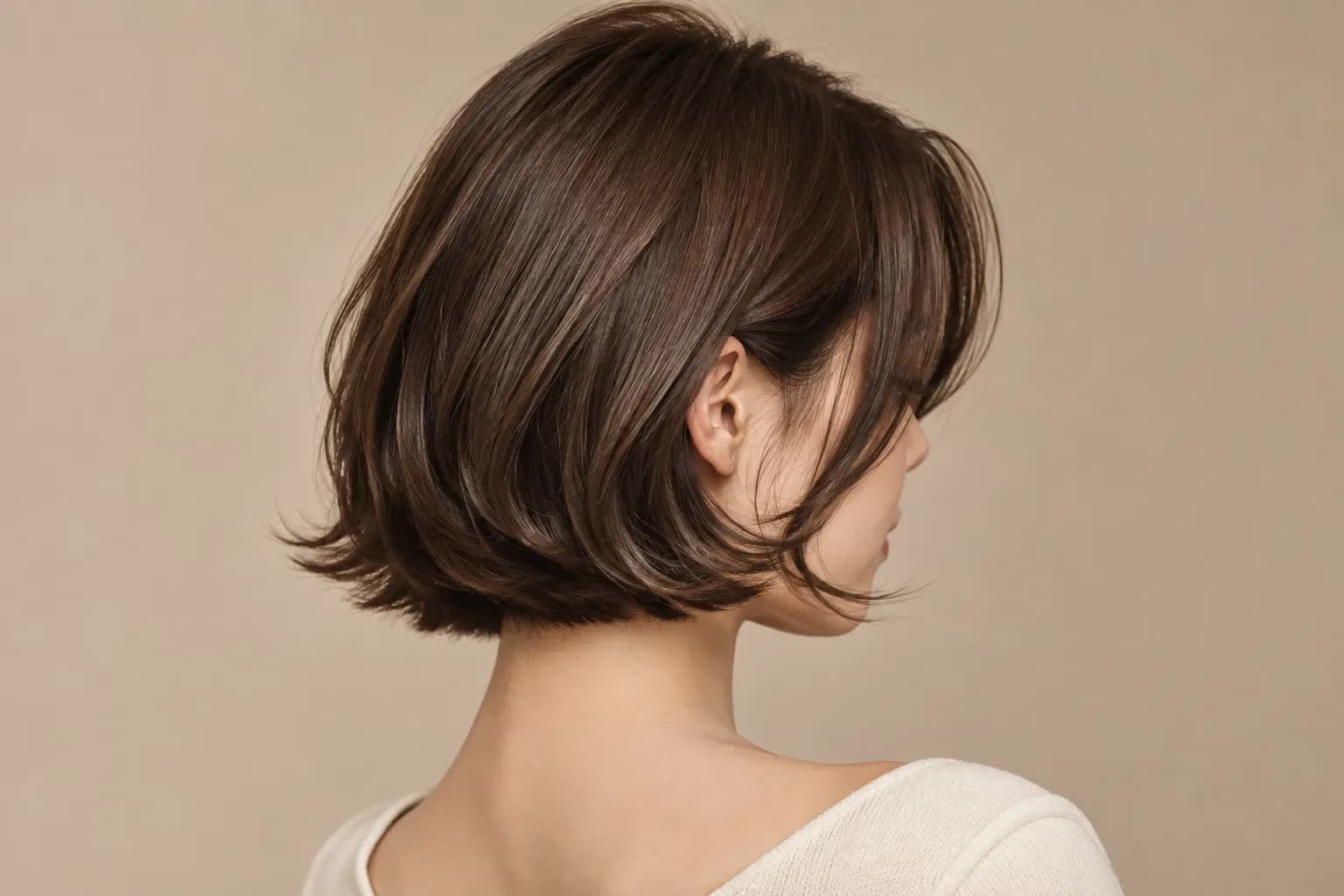
Mochi skin is a satin finish that makes hydrated skin look soft and bouncy, as though it might spring back when touched, rather than the high-reflection “dewy” look. The key is not to increase shine, but to calm dry texture while preserving the skin’s natural grain. [1]
On October 24, 2026, Vogue described the trend as “a move from mirror-like glass skin to a soft, velvety glow.” The name comes from the tender, chewy texture of mochi, but it does not mean turning actual skin into food. It is a metaphor for makeup’s focus shifting from the amount of shine to the suppleness of the surface. [1]
How Is Mochi Skin Different from Glass Skin?
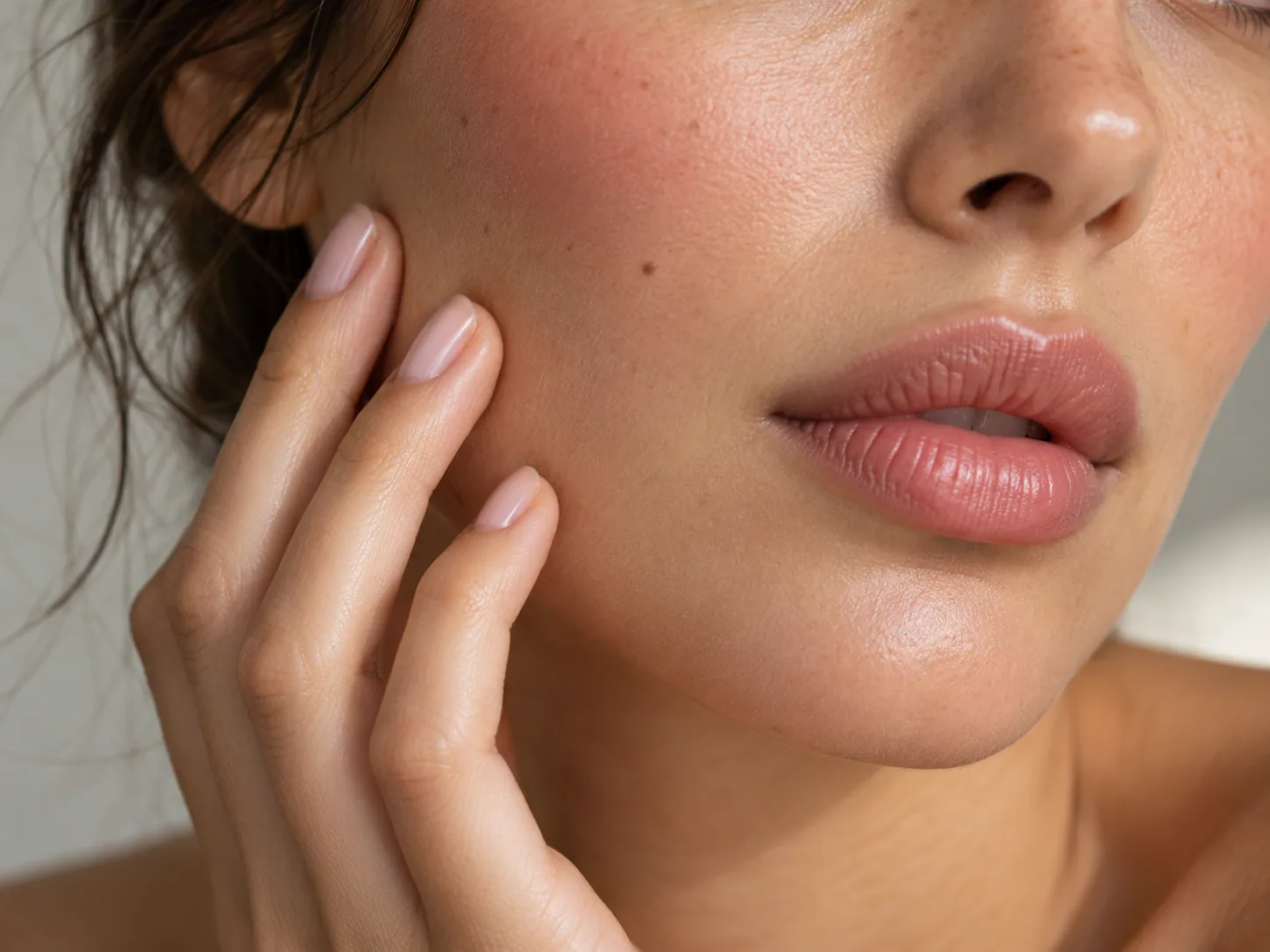
Both are looks that make the skin appear healthy and hydrated. The difference lies in how they handle light. While glass skin emphasizes distinct reflections on the forehead, cheekbones and bridge of the nose, mochi skin aims for “diffused light” that spreads softly across the face. It is closer to melting a thin base and cream color products into the skin than adding another layer of glow foundation. [1]
This difference is especially useful for oily skin and photography. Strong shine can mix with sebum under lighting and read as greasiness, while a satin texture lets only the areas that need to—such as the cheekbones—catch a subtle glow. Conversely, when very dry skin starts with matte products, the result may emphasize flakes rather than softness.
With Skincare, “Seal It on Damp Skin” Matters More Than the Number of Layers
Applying moisturizer before the water on your face has completely evaporated can help reduce moisture loss. The American Academy of Dermatology recommends applying moisturizer while the skin is still slightly damp so it can help hold on to water. Oily skin does not need to skip light moisturization after cleansing, either. [2][3]
Applying several layers of toner, essence and serum does not guarantee mochi skin. If tackiness lingers on the palms, the base may pill. After one or two lightweight hydrating products, gently press in a thin layer of cream containing ceramides or glycerin, then allow time for sunscreen to set. The standard is not the number of products, but whether the next layer will pill.
How Should You Apply Base Makeup to Bring Out a Satin Texture?
First, separate the areas that need coverage from those that need glow. Spread a sheer skin tint or foundation from the center of the face outward, then spot-conceal blemishes. Two thin layers erase less of the skin’s contours than one thick layer.
Second, do not cover the entire face with powder. Press it in with a small brush only where makeup tends to break down, such as under the eyes, around the nostrils and on the chin. Leave the upper cheekbones and rounded areas of the cheeks bare, and they will catch soft light as you move without highlighter.
Third, tap on cream blush in a thin layer with your fingertips or a dense puff. In mochi skin, color should look like a flush showing through from within, not a band sitting on top of the skin. If you want to use a vivid shade, balance it by narrowing the area rather than lowering the intensity.
What Should Oily, Dry and Blemish-Prone Skin Change?
Oily Skin: Leave Hydration, Not Shine
Use a lightweight gel cream sparingly, and first check whether sunscreen and base makeup are pilling together. In the afternoon, rather than continually adding powder over sebum, press it away with tissue and touch up only where needed. Excessive scrubbing may make shine appear reduced immediately, but it can leave the skin irritated.
Dry Skin: Suppleness Comes Before Exfoliation
Use warm water and a gentle cleanser, then apply moisturizer to damp skin. Rather than scraping away flaky skin every day with acids or pads, reducing irritation for a few days is more conducive to base makeup adhering well. When the skin stings or is red, barrier recovery takes priority over a new makeup look. [2]
Acne-Prone Skin: Distinguish “Not Shiny” from “Not Clogged”
Not every matte product is good for acne-prone skin. Check product labels for “non-comedogenic” or an indication that the product will not clog pores, and gently remove makeup and sunscreen at night. Do not repeatedly rub multiple cream products over red, painful lesions.
Frequently Asked Questions
Q. Is highlighter essential?
No. The essence of mochi skin is the skin’s overall soft, bouncy quality rather than intense sparkle in a particular area. If natural light is already present on the cheekbones, you can skip highlighter; when needed, pressing on a very small amount is sufficient.
Q. Are rice water or rice extracts essential?
No. “Mochi” describes a texture, not a list of essential ingredients. Vogue’s article suggests products containing rice extract, but in practice, first consider fragrance and the potential for irritation, the level of hydration and how well the product fits with your existing routine. [1]
Q. If my makeup cracks in the afternoon, what should I reduce first?
First, reduce the tacky skincare layers and the area covered with powder. Then try cutting the amount of foundation in half. Change one step a day rather than changing all three at once, which makes it easier to identify the cause.
DERME VERDICT | Texture Comes Before Shine
The appeal of mochi skin is not a “perfectly smooth face,” but looking polished without erasing the skin’s real texture. Today’s criteria are simple: moisturize while the skin is damp after cleansing, apply base makeup thinly from the center, and use powder only where makeup breaks down. Before adding more glow, check whether the skin feels comfortable as it moves; that is how to translate a trend to suit your own face.