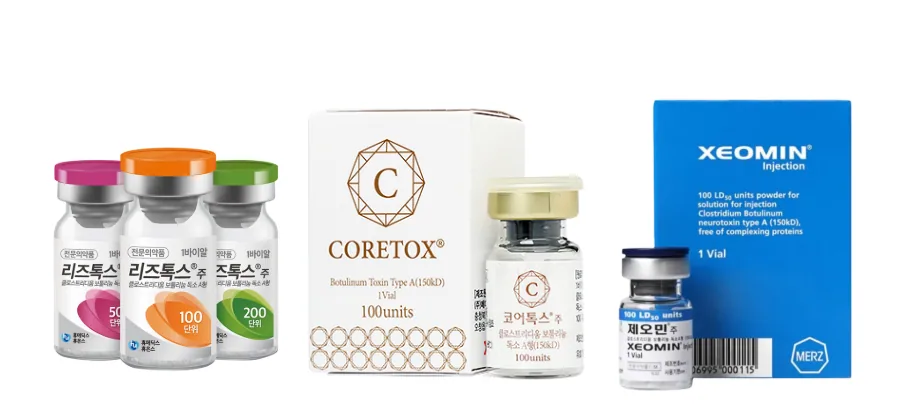
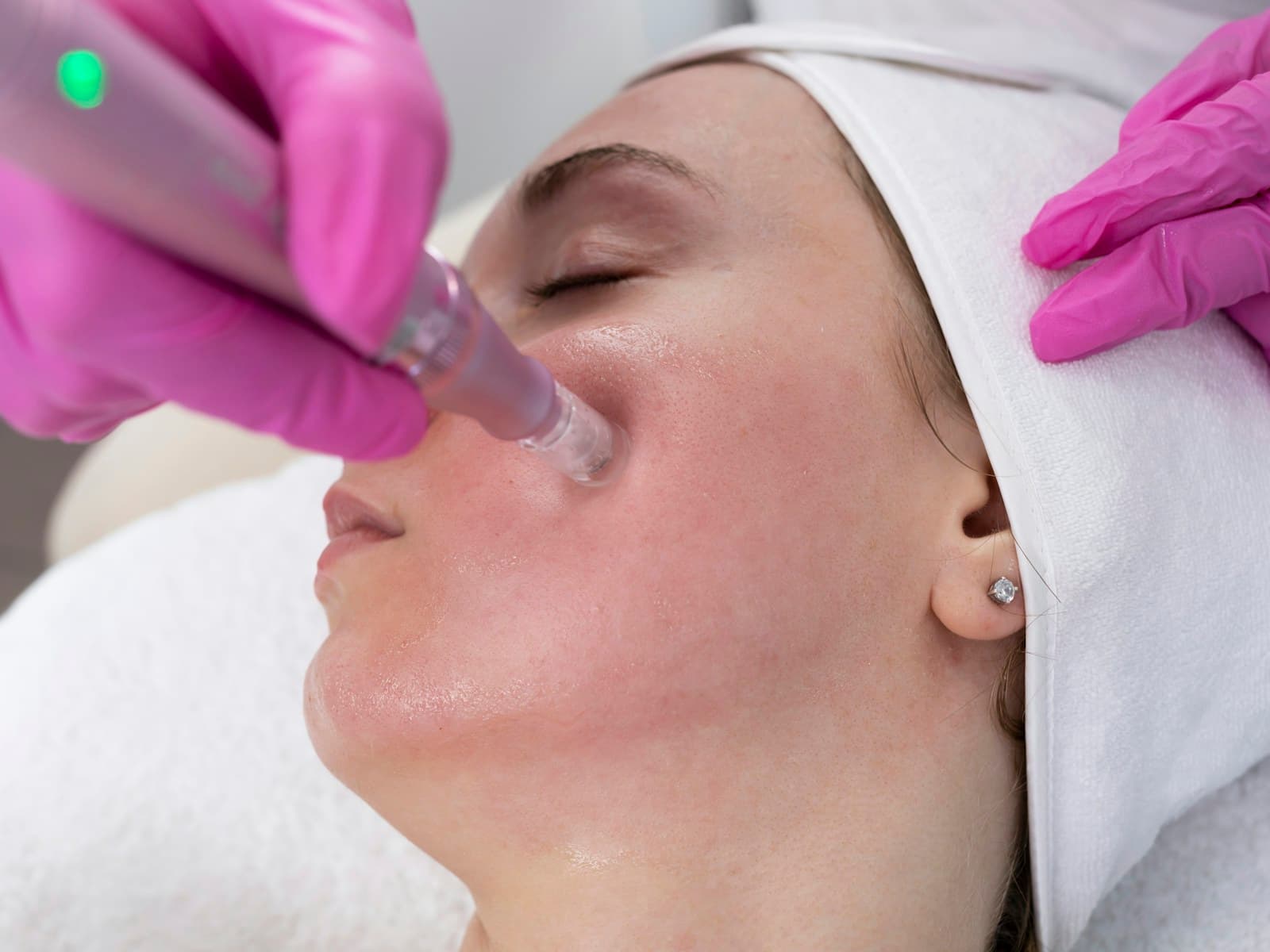
To state the conclusion first, Kybella (active ingredient: deoxycholic acid) is approved in the United States only to reduce moderate to severe submental fat in adults. Injecting the same drug into other areas, such as the abdomen, arms, or around the eyes, falls outside its approved use, and in September 2026 the FDA strengthened its warning that such use is not recommended. [1][2]
The FDA said it had identified 129 adverse-event reports involving deoxycholic acid used outside the approved treatment area since its approval in 2015. Reported events included reduced vision after use around the eyes, muscle and nerve injury, weakness, and numbness. Separately, 117 unresolved nodules or masses were identified. At the time of reporting, these nodules and masses had persisted for an average of approximately 143 days. [1]
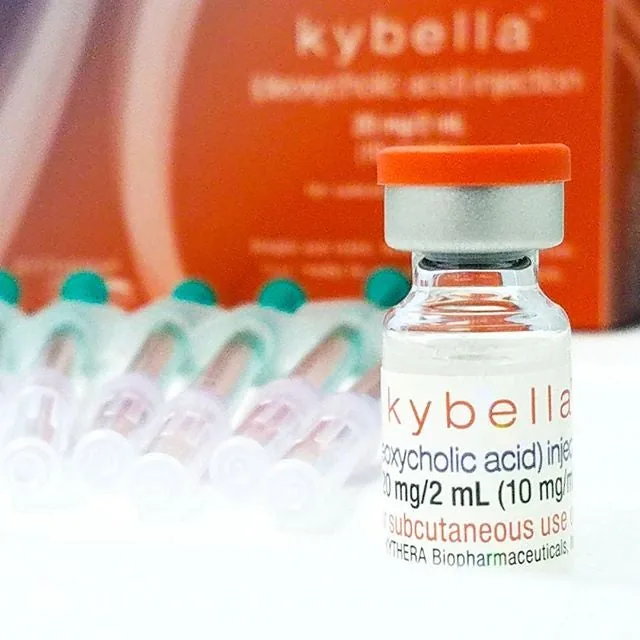
What kind of fat-dissolving injection is Kybella?
Deoxycholic acid is a cytolytic drug that destroys fat-cell membranes. Kybella’s approved indication in the United States is to improve moderate to severe convexity caused by submental fat in adults. The approved label specifies subcutaneous injections at up to 50 sites in a single treatment, with up to six treatments permitted at intervals of at least one month when needed. [2]
Why can changing the treatment area be a problem if it is the same fat?
The difference is not limited to the thickness of the fat layer; the locations of surrounding nerves, blood vessels, muscles, and vulnerable structures such as the eyes also vary. Because deoxycholic acid destroys fat-cell membranes, injecting it beyond the target fat or near vulnerable structures can create a risk of tissue damage. The FDA’s 2026 label added a separate warning that serious adverse reactions had been reported after use outside the submental area. [1][2]
How are nodules and masses different from ordinary swelling?
Swelling, bruising, pain, and numbness immediately after treatment are known to be common reactions in previous clinical trials. However, the nodules emphasized by the FDA are defined as lumps 3 cm or less in diameter, while masses are lumps larger than 3 cm. The agency explained that some may not disappear over time and may require medical treatment. [1]
The FDA warning does not mean Kybella itself has been banned
No. The FDA has not withdrawn Kybella’s approval for submental fat. The change is that the label now more clearly reflects the serious adverse reactions reported with use outside the approved area and the risk of persistent nodules and masses that may occur, including within the approved treatment area. [1][2]
What should be checked before treatment?
First, confirm the exact ingredients and approval status of the product being injected. Second, distinguish the injection site from the level of approval and evidence for use in that area. Third, determine whether the treatment plan accounts for neurovascular anatomy, along with any history of swallowing difficulties, surgery, scarring, or infection. The FDA label lists infection at the injection site as a contraindication and describes marginal mandibular nerve injury and dysphagia as major risks. [2]
Can deoxycholic acid also be injected into abdominal fat?
Under U.S. FDA standards, Kybella is not approved to treat abdominal fat, and the FDA does not recommend use outside the submental area. Approval and standards of use may differ by product and country, so one should not assume that products called “fat-dissolving injections” have the same indications. [1]
If a hard lump can be felt after treatment, when is medical evaluation needed?
If pain worsens or symptoms such as changes in skin color, ulceration, signs of infection, an asymmetrical smile, difficulty swallowing, or changes in vision occur, prompt medical evaluation is needed. Persistent nodules or masses should also be reported to the treating medical institution rather than simply observed over time. [1][2]
What alternatives are available instead of fat-dissolving injections?
The alternatives depend on whether the goal is to address a double chin, skin laxity, or fat associated with overall body weight. Noninvasive energy-based devices, liposuction, and weight management differ in their mechanisms and risks, so they should be compared according to the individual and the treatment area—not simply as being “stronger” or “weaker” than injections.
DERME VERDICT
The FDA’s action puts the brakes on the idea that “fat-dissolving injections are broadly interchangeable across treatment areas.” The most important questions when choosing a treatment concern not the product name, but the exact ingredient, approved treatment area, injection anatomy, and system for managing adverse reactions. In particular, if deoxycholic acid is proposed for an unapproved area such as around the eyes or on the limbs, the evidence and risks should be assessed separately.