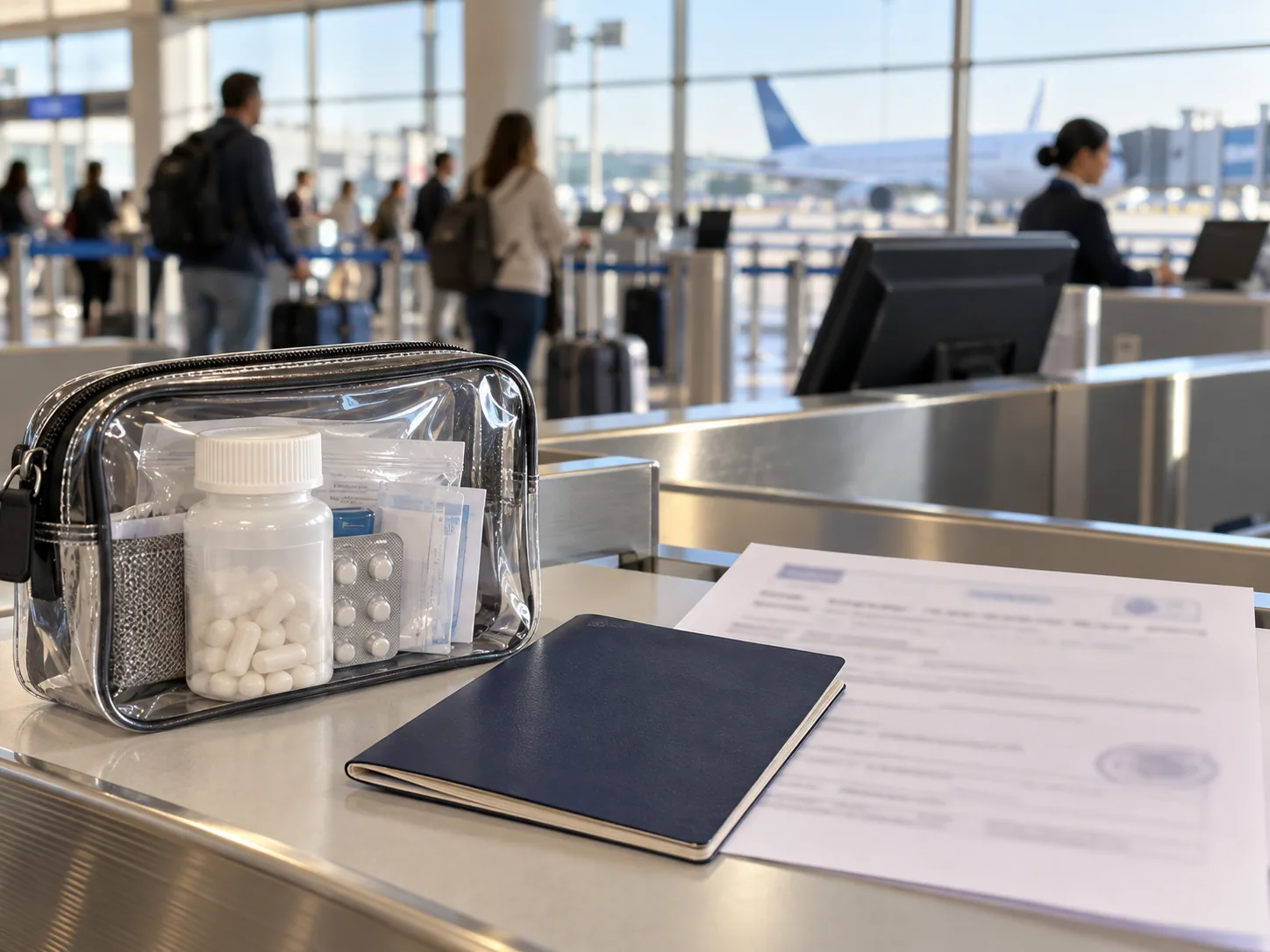
To put it simply, if an unexpected symptom or billing dispute arises after a dermatology procedure in Korea, first gather photographs, receipts, consent forms, prescriptions and records of your communications. Unless it is an emergency, notify the clinic in writing about your progress and obtain an aftercare plan. If the issue remains unresolved, you can proceed step by step through foreign-patient consultation services and medical dispute mediation procedures.[1][2]
The key point: To explain a problem after returning home, the most important records show “when you received what treatment, and when each symptom began.”
Which symptoms require medical attention immediately after a procedure?
Difficulty breathing, changes in consciousness, reduced vision, weakness in one arm or leg, rapidly worsening pain accompanied by changes in skin color, and rapidly increasing swelling with a high fever are not situations in which to wait for an online consultation. If you are still in Korea, call 119 or go to the nearest emergency room; if you have returned home, follow the local emergency medical system.
Mild redness, swelling or bruising may fall within the expected recovery range for a particular procedure. However, do not simply endure it because you were told it was “normal.” Compare the recovery period you were given before treatment with the actual changes, using dated photographs and symptom records.
What records should you obtain before returning home?
At a minimum, confirm the clinic’s name, the medical professional’s name, the procedure, the date and treatment area, the products or equipment used, and the dosage or settings. Keep the payment receipt and itemized statement, copies of the information and consent forms, prescriptions, records of allergies and medications, and aftercare instructions.
Take photographs with the date shown, using the same lighting and distance each time. Screenshot the contents of messenger consultations and the prices and included items shown on the booking page. For medical institutions registered to attract foreign patients, enrollment in medical malpractice liability insurance or a mutual-aid scheme is among the registration requirements.[3] However, insurance coverage itself does not confirm compensation or constitute an admission of fault.
Where should English-language consultation and complaints begin?
The Medical Korea Information Center provides consultation on complaints and medical disputes involving foreign patients’ use of Korean medical institutions and, when necessary, connects them with the Korea Medical Dispute Mediation and Arbitration Agency. Its main medical consultation line is +82-2-1577-7129, and it is listed as operating daily from 09:00 to 18:00 (Korea time).[1]
The Seoul center is on the second basement level of Seoul Station’s Airport Railroad area and supports English, Chinese, Japanese and Korean. The center at Incheon Airport Terminal 1 also supports Russian.[1] Check the official page again before departure for current operating hours and location.
Can foreign patients use the Korea Medical Dispute Mediation and Arbitration Agency?
Yes. The Korea Medical Dispute Mediation and Arbitration Agency states that its medical dispute mediation system also applies to foreigners who are not citizens of the Republic of Korea.[2] In mediation, one party files an application; once the proceedings begin, the agency examines the facts, medical negligence and causation, and proposes a settlement.
In principle, the process takes no more than 90 days after proceedings begin, although it may be extended by 30 days. The process may be delayed separately by the time required to submit materials or verify a lasting disability.[2] If mediation is concluded, it has the same effect as a settlement in court, so review the terms and translation carefully before agreeing.
How much is the application fee?
According to the official English-language information, the application fee is 22,000 won for compensation claims of up to 5 million won. As the amount claimed increases, additional fees apply by bracket; for example, a claim of 10 million won is listed as costing 32,000 won.[4] Recheck the calculation table and refund rules in effect when you apply.
The fee is neither compensation nor an attorney’s fee. Interpretation and translation, issuance of overseas medical records, and separate legal advice may incur additional costs, so ask about the expected expenses in advance.
How can you reduce disputes before booking a dermatology clinic in Seoul or Gangnam?
In addition to asking whether English-language consultation is available, obtain in writing the name of the medical professional who will actually perform the procedure, what is included in the total cost, any additional medication costs, the expected downtime, and how to make contact after returning home. When combining several procedures on the same day, confirm separately the purpose and recovery period for each one.
Do not schedule your return for the shortest estimated recovery period. If the procedure requires monitoring bruising or swelling and a follow-up visit, allow extra days in Korea. Also secure an English-language procedure record and a contact person or desk that can be reached if a problem occurs after you return home.
FAQ: Medical Disputes for Foreign Patients
Do I have to speak with the clinic first before applying for mediation?
You do not have to reach a prior agreement before seeking consultation. However, after receiving emergency treatment, notifying the clinic in writing of your symptoms and requests can help organize the facts.
Can I apply after returning home?
From overseas, you can use the email application route and consultation contact information on the official English-language website.[4] The required documents and scope of translation, including identification, authority to act on someone’s behalf and medical records, may vary by case, so confirm them before filing.
Does being a registered medical institution guarantee the outcome?
No. Registration means that the institution meets legal requirements, such as having a specialist and liability insurance; it does not guarantee the outcome of every procedure or compensation in a dispute.[3] The procedure’s indications and limitations and its aftercare system should be compared separately.
DERME VERDICT
Aftercare for medical tourism does not begin after you return home. At the booking stage, record the person in charge, total cost, recovery expectations and contact channel; after the procedure, organize the materials in a single file. If a problem arises, following the sequence of checking whether it is an emergency → contacting the clinic in writing → consulting Medical Korea → reviewing the matter with the Korea Medical Dispute Mediation and Arbitration Agency can help reduce information loss.
Sources
- Source
- [1] 한국보건산업진흥원 Medical Korea·Convenient: Information Center and complaints counseling·확인일 2026-10-12
- [2] 한국의료분쟁조정중재원·의료분쟁 조정·중재 제도소개·확인일 2026-10-12
- [3] 한국보건산업진흥원 Medical Korea·Reliable: Registration System and malpractice insurance·확인일 2026-10-12
- [4] 한국의료분쟁조정중재원·Fee Information and English application routes·확인일 2026-10-12