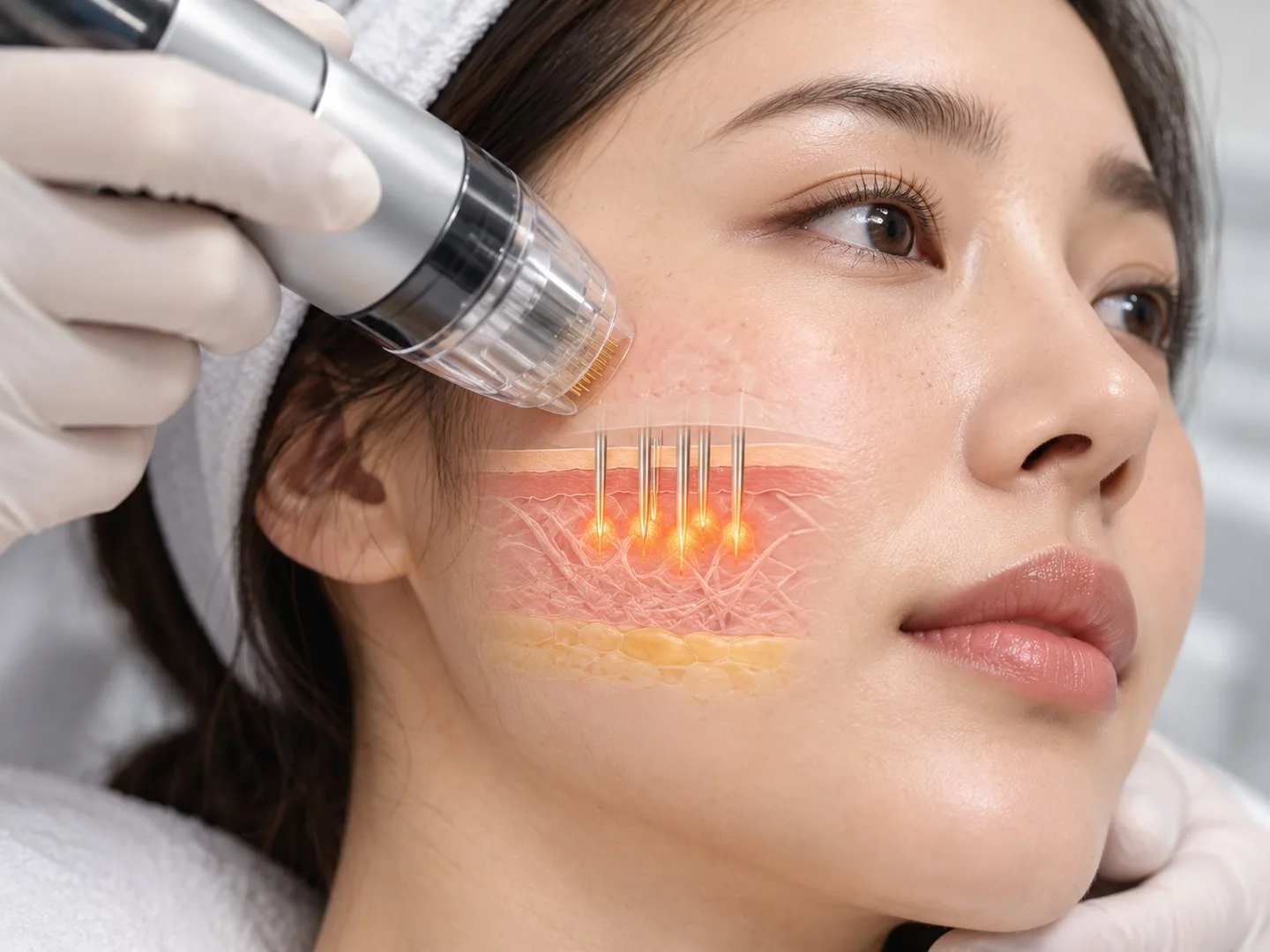
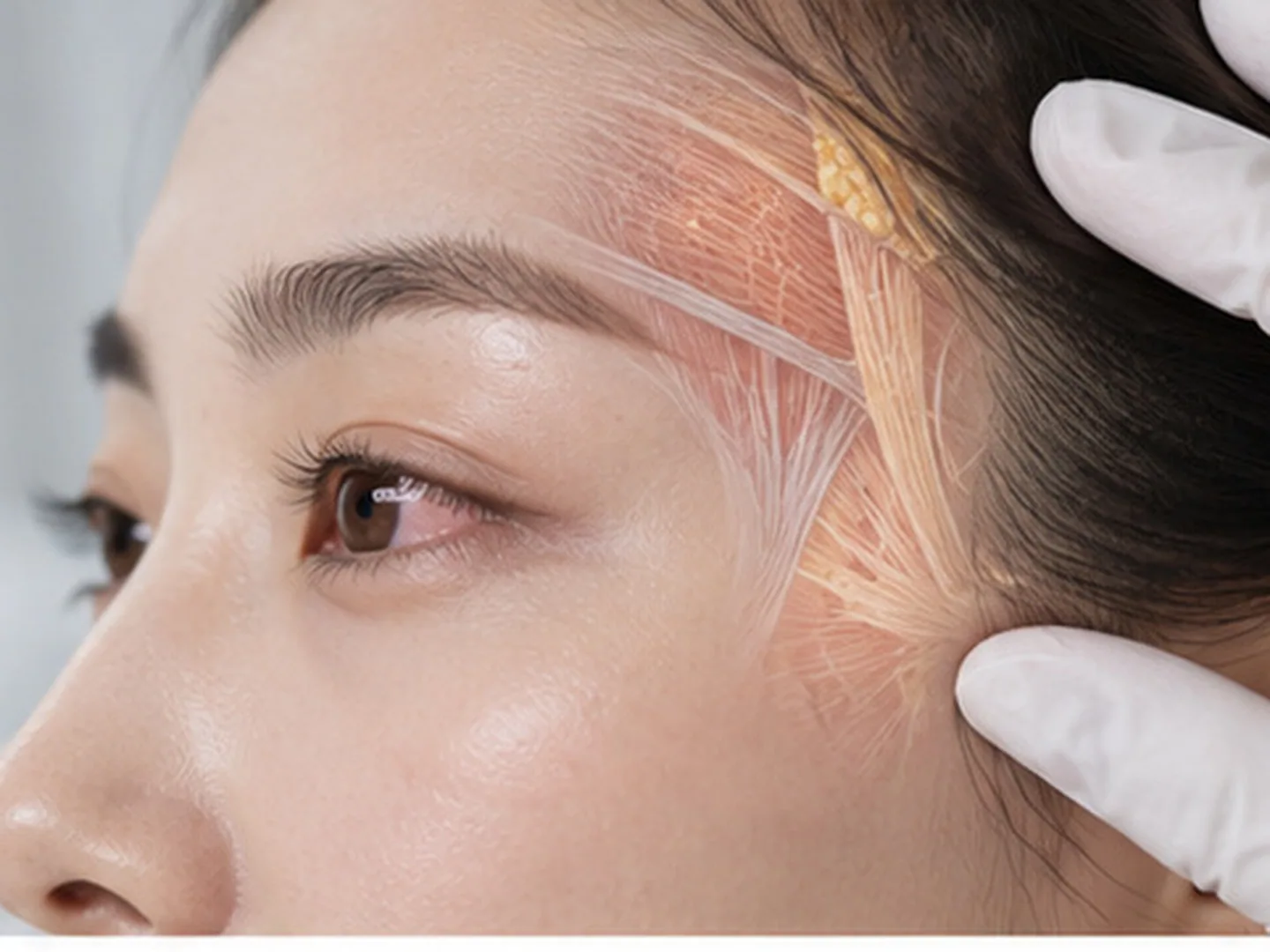
The key point: High-concentration home peel products are not “slightly stronger cosmetics.” They are closer to procedures that intentionally remove layers of skin, and without professional supervision they can lead to chemical burns and scarring.
In July 2024, the U.S. FDA warned against purchasing or using certain online peel products containing high concentrations of TCA (trichloroacetic acid), glycolic acid, salicylic acid, lactic acid, and other ingredients without professional supervision. It explained that not only concentration but also the frequency of application and the length of time the product remains on the skin can change the depth of penetration and degree of injury.[1]

What is the biggest difference between home peel products and dermatology chemical peels?
Chemical peeling uses acids to remove skin to a controlled depth and stimulate regeneration. In dermatology, clinicians first assess skin tone, current inflammation, the tendency toward hyperpigmentation, medications being taken, a history of herpes, and the condition being treated, then adjust the ingredient, concentration, application time, and whether neutralization is needed.[2]
By contrast, it is difficult for users of online products to judge their own skin condition and the actual depth of penetration. Even at the same concentration, the reaction can vary depending on pH, solvent, amount applied, overlapping applications, and whether the skin barrier is damaged. This is why safety should not be compared using a single number.
How do superficial and deep peels differ in their effects and recovery?
Medical literature classifies chemical peels as superficial, medium-depth, or deep peels. As the depth increases, changes in pigmentation and wrinkles may become more pronounced, but recovery time and the possibility of complications also increase.[3]
Even superficial peels can cause stinging, dryness, erythema, and temporary flaking. With medium-depth or deep peels, the risks of infection, prolonged erythema, hyperpigmentation or hypopigmentation, and scarring require more careful consideration. In particular, for darker skin tones or skin that has recently been inflamed, it is important to assess the risk of post-procedure pigment changes.[2][3]
What signs may indicate a chemical burn?
Unexpectedly severe pain, redness that spreads quickly, swelling, blisters, skin turning white or gray, and oozing are signs to stop using the product immediately. The FDA warns that severe burns, pain, swelling, infection, changes in skin color, and scarring may occur, and that emergency or professional treatment may be necessary.[1]
If damage has already occurred, do not apply more acid or try to remove the skin with a scrub. Record the product ingredients and how long it was used, and tell a healthcare professional. If the product got into the eyes or onto a large area, or if pain or blistering is severe, seek medical attention without delay.
Five things to confirm before a dermatology peel
First, clarify whether the treatment goal is acne, pigmentation, or rough skin. Second, ask which ingredients will be used and what depth is expected. Third, check the risk of hyperpigmentation for your skin tone. Fourth, disclose any use of retinoids, exfoliants, or recent laser treatment. Fifth, obtain written information about expected redness and flaking, and when to resume cleansing, moisturizing, and sun protection.
FAQ
Are all low-concentration AHA cosmetics dangerous?
No. Everyday exfoliating cosmetics and high-concentration peel products should not automatically be treated as the same category. However, if stinging and erythema recur, reduce the frequency of use and do not apply the product to damaged skin.
Will one strong treatment produce faster results?
Not necessarily. As the depth increases, so do the potential for change, recovery time, and risk of complications. Choosing the minimum depth needed for the treatment goal is safer.[3]
What determines the cost of a peel?
The ingredients and depth, treatment area, pretreatment and aftercare, the clinician’s assessment, and whether combination treatments are used all affect the cost. Rather than comparing prices alone, also check the expected recovery and the system for managing adverse effects.
DERME VERDICT
High-concentration home peels are not a shortcut to faster results. Safety begins with determining whether a chemical peel is needed, then selecting a depth appropriate for the skin tone and condition and making a recovery plan. Avoid choosing TCA or high-concentration acid products online based on concentration alone.[1][2]
- Source
- [1] U.S. FDA·FDA warns against purchasing or using chemical peel skin products without professional supervision·2024-07-30
- [2] American Academy of Dermatology·Chemical peels: Overview·Accessed 2026-10-10
- [3] Lee KC et al.·Basic chemical peeling: Superficial and medium-depth peels·2019
- [2] American Academy of Dermatology·Chemical peels: Overview·확인일 2026-10-10