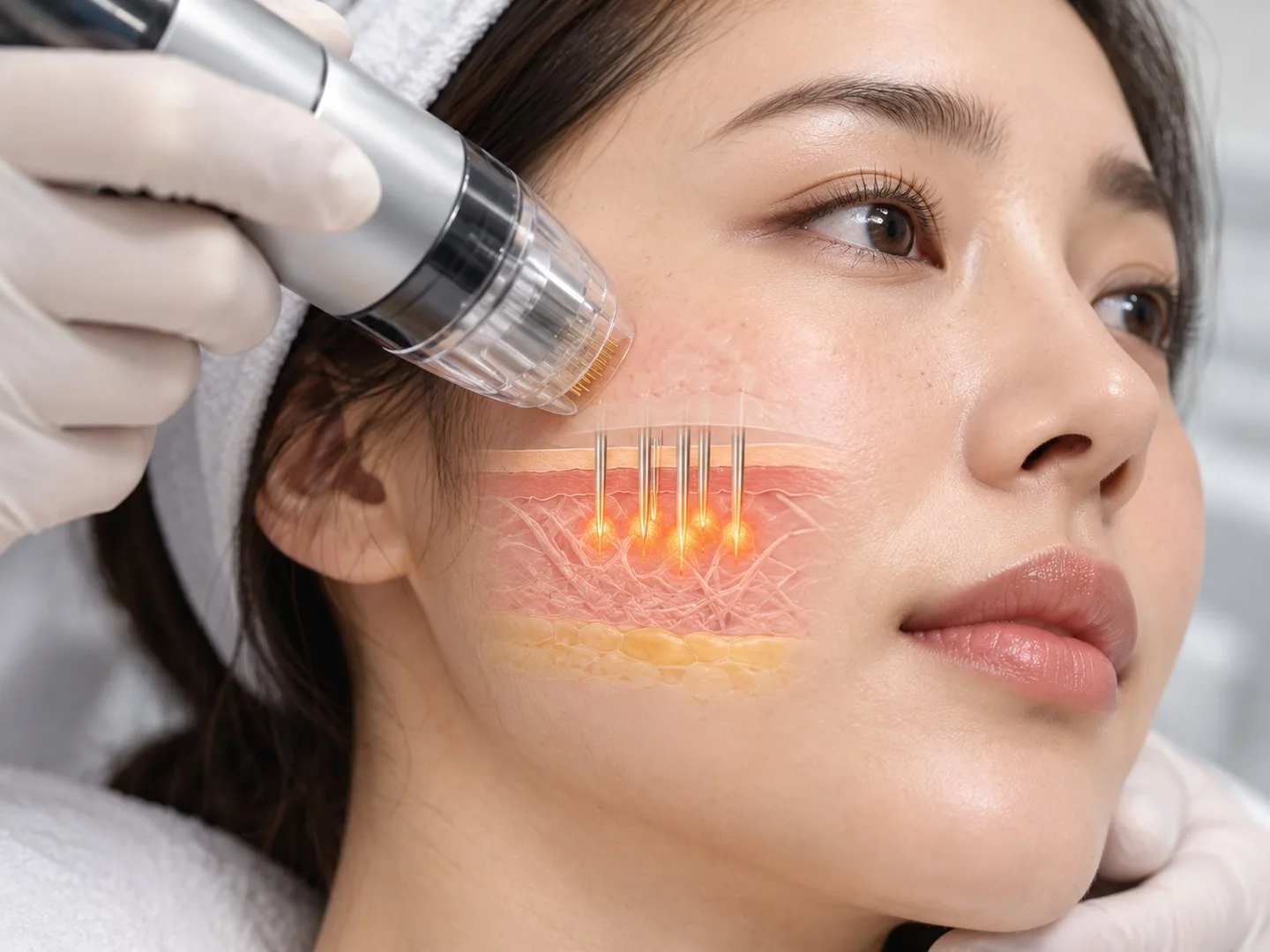
The key point: Exosome treatments are not a single standardized therapy. The evidence and risks vary depending on the product’s source and manufacturing process, whether it is applied to the skin or injected, and which devices it is used with.
The US FDA considers exosome products used to treat disease or alter bodily functions to be drugs or biological products and requires premarket review. It states that no exosome products are currently approved by the FDA.[1] This statement concerns the US regulatory status and does not describe product approvals in South Korea.

What are exosomes, and why are they used in skin treatments?
Exosomes are very small membrane-bound vesicles released by cells that can deliver signals, such as proteins, lipids, and genetic material, to other cells. In skin regeneration research, they are studied because these signals may be involved in inflammation and recovery. However, a label stating “contains exosomes” does not mean that the amount, purity, source, or storage stability of the active ingredients is the same across products.
How does application after microneedling differ from injection into the skin?
Microneedling creates very small channels in the skin. The FDA explains that even authorized microneedling devices are not authorized to deliver cosmetics, vitamins, drugs, or blood products into the skin.[2] Therefore, “the device is authorized” and “the delivery method for the exosome product used with it is authorized” must be treated as separate claims.
Topical application places a product on the skin’s surface, while injection delivers it directly into the skin with a needle. Because injections may result in greater exposure within tissue, risks such as infection, inflammation, nodules, and vascular injury must be assessed separately. Results from topical studies should not be interpreted as evidence of injection benefits, nor should adverse effects from injections be generalized to all topical products.
What did the 2026 research actually show?
A 2026 systematic review examining the combination of microneedling and exosomes addressed various topics, including skin aging, pigmentation, scarring, pores, and hair loss.[3] The included studies comprised a mix of small trials and case reports, and differed in product sources, treatment methods, and outcome measures. A finding of “signals of improvement” does not mean that the effectiveness or long-term safety of all products has been established.
A scoping review published the same year identified 17 studies from 2020 to 2025, but the delivery methods varied, including topical application, microneedling, lasers, and injection.[4] An increase in the number of studies is separate from a determination that a standardized treatment has been established.
What adverse effects should be checked?
There are case reports of necrosis and persistent inflammatory reactions after injections into the skin.[5] Case reports cannot be used to calculate incidence, but they are warning signs that rare, serious complications have in fact been reported. If pain worsens after treatment, the skin becomes pale or purplish, or a hard nodule or discharge persists, prompt medical attention is needed.
Expected recovery reactions must be distinguished from warning signs. Temporary redness and stinging may occur after microneedling, but increasing pain, blisters, pus, or warmth should prompt evaluation for infection or tissue damage. During recovery, avoid irritating ingredients such as acids and retinoids, in addition to using sun protection and a gentle moisturizer.
What should you ask during a consultation?
First, confirm the product’s exact manufacturer, source of raw materials, lot number, and storage conditions. Second, ask clearly whether it will be applied topically, used as an adjunct to microneedling, or injected. Third, check the device’s authorized purpose, needle depth, and infection-control standards. Fourth, obtain the expected recovery period and the contact and treatment plan for adverse reactions in writing.
Frequently Asked Questions
Can you trust an advertisement that calls an exosome product FDA-approved?
Check the product name and approval number directly. The FDA states that no exosome products are currently approved, so it is important to distinguish whether a claim is presenting a simple “FDA-registered facility” or device authorization as approval of the exosome product itself.[1]
How many exosome treatments are needed to see results?
There is insufficient evidence to establish a standard number of sessions. Products, delivery methods, intervals, and outcome measures differ among studies, so a specific number cannot be applied to everyone.
Are exosomes necessary for acne scars?
There is no evidence that they are necessary. Depending on the type of scar, compare established treatments such as fractional lasers, microneedling, and subcision first, then assess separately the additional benefit and cost of combining them with exosomes.
DERME VERDICT
When choosing an exosome treatment, check four things rather than focusing on the word “regeneration”: the product, delivery route, device, and aftercare. In particular, injections into the skin carry different risks from topical application or microneedling adjuncts, so choose a medical professional who can explain the approval status and alternative treatments as well.
Sources
[3] PubMed · The Use of Microneedling With Exosomes in Dermatology: A Systematic Review · 2026-04-24
[4] PubMed · Exosome-Based Therapies in Dermatology: A Scoping Review · 2026-04-01
[5] PubMed · Necrosis Following Dermal Injection of Lyophilized Exosomes · 2025
- Source
- [1] 미국 식품의약국(FDA)·Public Safety Notification on Exosome Products·2019-12-06
- [2] 미국 식품의약국(FDA)·Microneedling Devices: Getting to the Point on Benefits, Risks and Safety·발표일 미표기
- [3] PubMed·The Use of Microneedling With Exosomes in Dermatology: A Systematic Review·2026-04-24
- [4] PubMed·Exosome-Based Therapies in Dermatology: A Scoping Review·2026-04-01
- [5] PubMed·Necrosis Following Dermal Injection of Lyophilized Exosomes·2025