The key point: Reducing the number of products used on acne-prone skin may help identify sources of irritation and make it easier to stick to a routine, but it does not mean that cystic or inflammatory acne can be treated with gentle cleansing and moisturizer alone.[1][2] The proper order is to treat inflammatory lesions first, then assess pore and skin-texture concerns separately.

Why did Ella Rubin simplify her skincare routine?
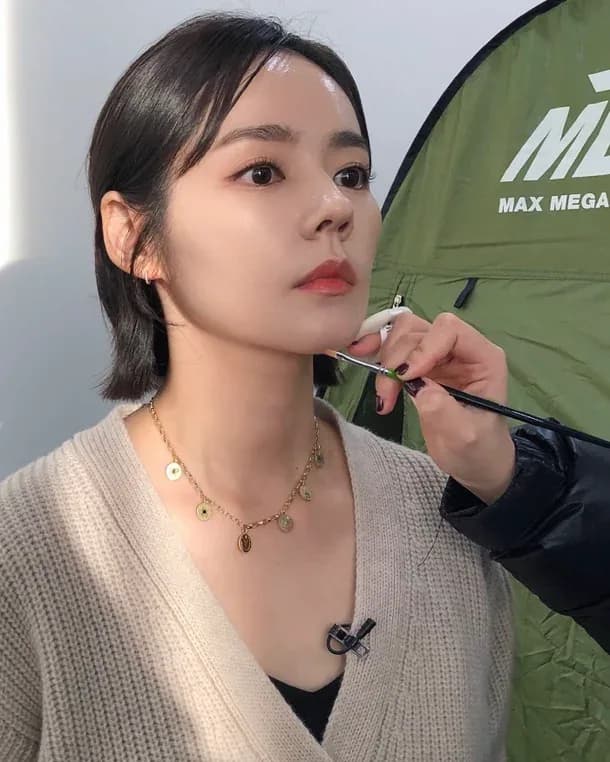
Actress Ella Rubin explained in Vogue’s “Beauty Secrets” video, released on September 3, 2026, that after experiencing severe cystic acne during the actors’ strike, she began paying more attention to skincare.[1] The routine she showed was relatively simple, centered on gentle cleansing, moisturizing, and serums. She also presented a willingness to show natural skin texture and occasional breakouts rather than conceal them.
What matters here is not buying the specific products she used. A celebrity’s personal routine reflects one individual’s experience, and her complete history of acne treatment or prescriptions has not been disclosed. It should therefore not be interpreted as evidence that “this routine treated cystic acne.”
Why might using fewer products help with acne?
Using multiple exfoliants, retinol products, acids, and heavily fragranced products at the same time can increase irritation and dryness, making it harder to use acne treatments consistently. Simplifying a routine to focus on cleanser, moisturizer, and sunscreen can make it easier to identify which products cause irritation and to maintain prescription treatment regularly.
But a “minimal routine” cannot replace acne treatment
The American Academy of Dermatology (AAD) acne guidelines strongly recommend benzoyl peroxide, topical retinoids, and topical antibiotics, and recommend combining topical agents with different mechanisms of action.[2] For severe acne or acne that does not respond to standard treatment, systemic treatments such as isotretinoin may also be considered.[2]
Large, deep, painful nodules and cysts carry a risk of scarring, so simply “waiting for them to calm down” may not be enough. The AAD lists intralesional corticosteroid injections as an adjunctive option for rapidly reducing the pain and inflammation of large inflammatory lesions.[2]
What should people with problem skin do first in daily life?
1. Do not start several active ingredients at once
Starting new acids, retinoids, high-concentration vitamin C, and scrubs at the same time makes it difficult to identify the source of irritation. If you are using acne medication, first stabilize basic moisturizing and sun protection, then add other ingredients one at a time.
2. Do not squeeze or repeatedly touch acne
Manually extracting deep inflammatory lesions can increase inflammation, pigmentation, and the risk of scarring. For lesions that are very painful or swell rapidly, it is preferable to seek a clinical method of reducing inflammation rather than attempting extraction at home.
3. Sun protection also helps manage pigmentation
Red marks and brown pigmentation left after acne subsides may persist longer with sun exposure. If you are concerned about shine, choose a lightweight formula labeled non-comedogenic.
When should pore and skin-texture treatments be considered?
When there is substantial active inflammation, stabilizing the acne itself should come first. Seolleim Clinic currently offers programs targeting pores, sebum, and skin texture, including Silky Pore Injection, alongside acne consultations and treatment.[3][4] However, descriptions on a clinic menu document the availability of the program and the clinic’s own information; they are not evidence from independent clinical trials proving its efficacy.
Accordingly, it is reasonable to consider a separate treatment consultation when enlarged pores, excess sebum, or uneven skin texture remain the primary concerns even after inflammatory acne has been controlled with standard treatment. Deep acne scars should not be grouped together with pore concerns; they should be assessed separately to determine whether a different treatment is needed based on the type of scar.
Frequently asked questions
If the skin barrier is weakened, should I stop all acne medications?
Not necessarily. If irritation is severe, the frequency and amount of use or the order of moisturizing can be adjusted, but stopping all treatment on your own may cause acne to worsen again. It is important to identify which ingredient caused the irritation and adjust accordingly.
If I develop only one or two cystic pimples, do I need to take isotretinoin?
No. Isotretinoin is an option considered for severe acne or acne that has not responded adequately to standard treatment.[2] Multiple factors—including the number of lesions, the risk of scarring, and the response to previous treatment—must be assessed together.
Dr. Kang Jung-ha’s recommendations
It is best to keep the order of action simple and follow three steps. First, establish morning and evening cleansing, moisturizing, and sun protection, without adding several irritating products at once. Second, prioritize evidence-based treatments such as benzoyl peroxide and retinoids for painful or deep inflammatory acne; for large lesions, consider rapid methods of controlling inflammation, such as intralesional injections, when necessary.[2] Third, if pore, sebum, or skin-texture concerns remain after active acne has stabilized, consider a pore-focused treatment such as Silky Pore Injection as a separate option.[3] Following this order can help prevent acne treatment and skin-texture improvement from being combined all at once and leading to excessive procedures.
The scope of each treatment’s effects should also be distinguished. Acne medications aim to reduce new inflammatory lesions, while intralesional injections are an adjunctive means of rapidly relieving severe inflammation.[2] Pore and skin-texture treatments do not serve the same role as standard drug treatment for active acne. Redness, bruising, irritation, and temporary raised or indented skin during recovery vary by procedure, so if you have an important event coming up, check the recovery period first.

Interesting Skin Stories for Healthier Skin
Drawing on 16 years of experience running Seolleim Clinic in Gangnam, we explain practical skincare methods for everyday life, along with engaging and accessible stories about dermatology inspired by actors, celebrities, and television. Through professional knowledge and experience, we hope to help your skin look healthier and more radiant. We hope this series will broaden your understanding of skin and help you discover ways to care for yourself.
Dr. Kang Jung-ha, Medical Director (Seolleim Clinic Gangnam)
- Source
- [1] Vogue Beauty Secrets·Sterling Point Star Ella Rubin Has Some Family Beauty Secrets—and a Pair of Scissors·2026-09-03
- [2] American Academy of Dermatology·Updated guidelines for the management of acne·2024-01-31
- [3] Seolleim Clinic·Silky Pore Injection
- [4] Seolleim Clinic·Medical Staff
- [3] 설레임의원·실키모공주사
- [4] 설레임의원·의료진