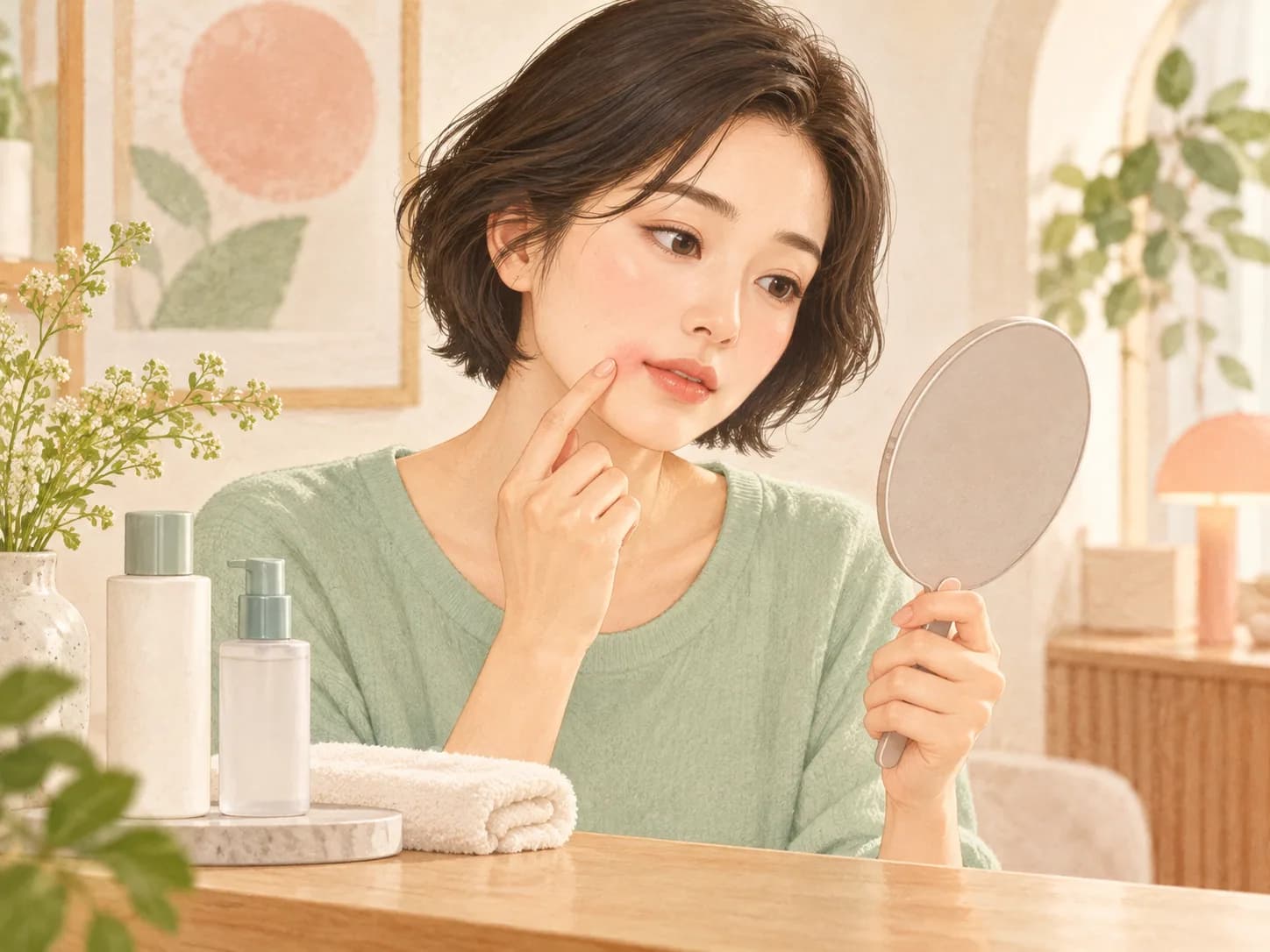
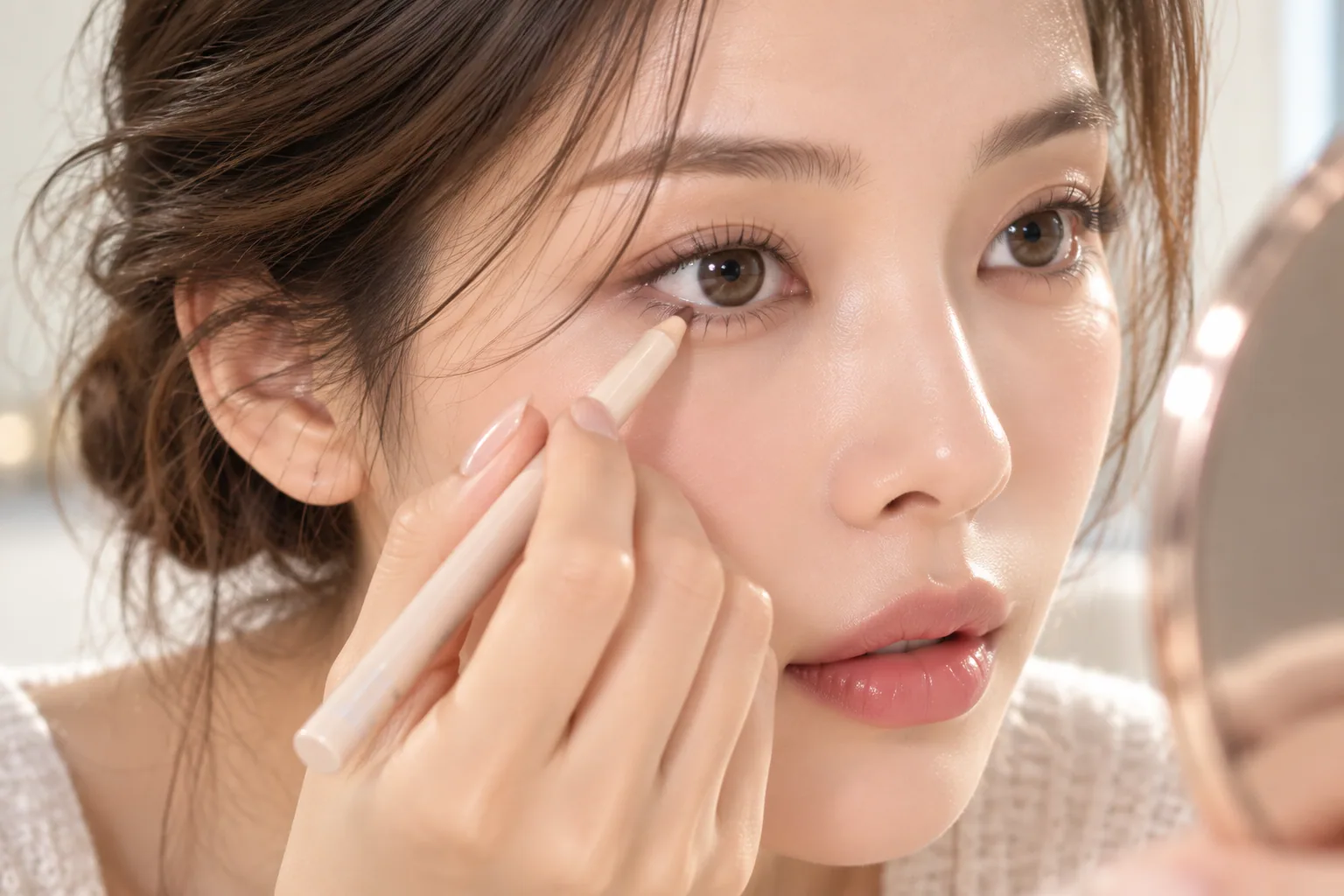
The takeaway: With false eyelashes, safety depends less on how long they are worn than on the glue’s ingredients, tool hygiene, and removal method. If your eyelids become itchy or swollen, or your eyes become bloodshot, stop using them rather than treating it as a cosmetic inconvenience.
The U.S. Food and Drug Administration (FDA) classifies false eyelashes, eyelash extensions, and their adhesives as cosmetics, and explains that consumers should check the ingredient list and directions for use.[1] Being classified as a cosmetic does not mean a product will be irritation-free for everyone when used around the eyes.
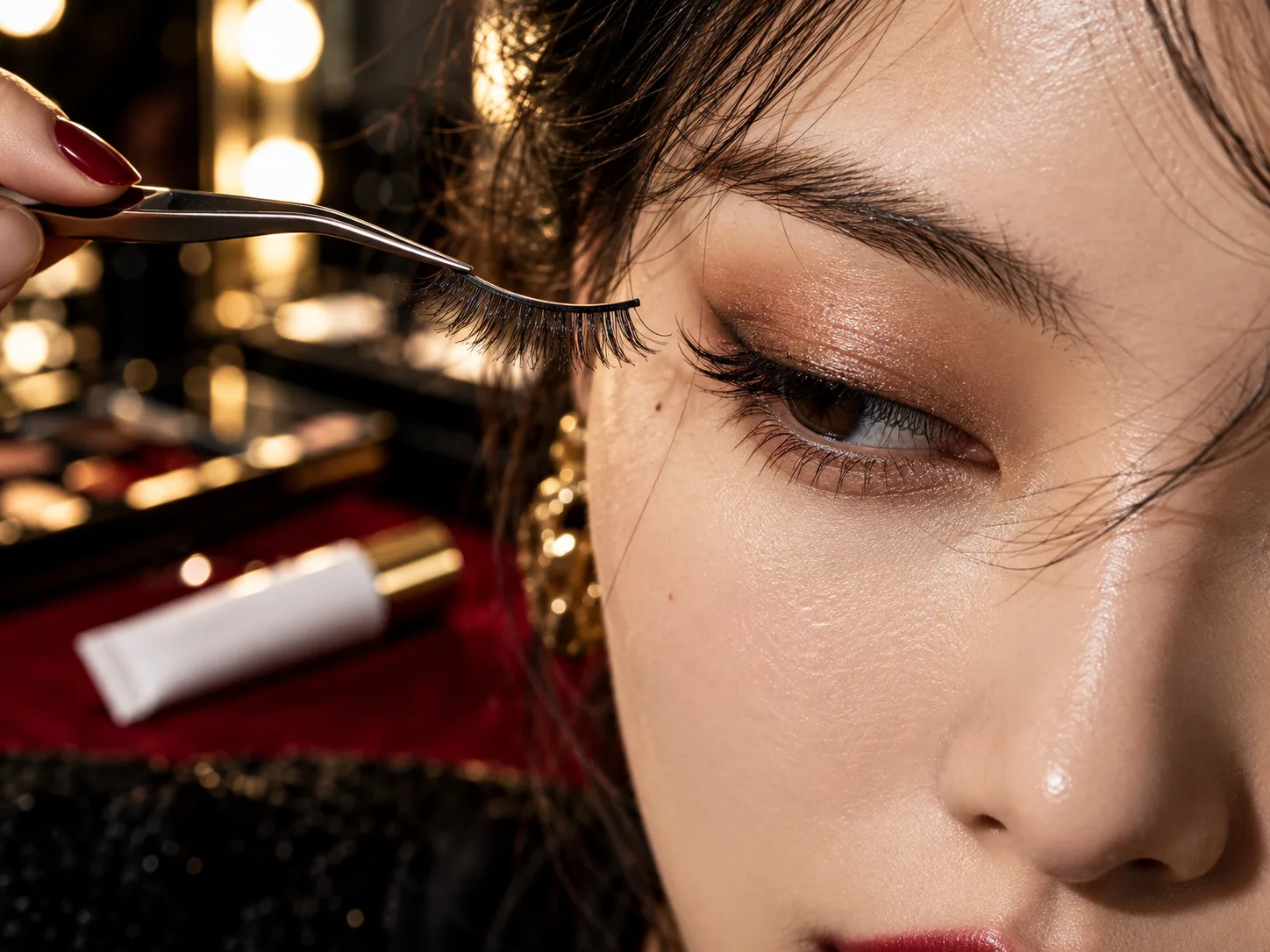
Why can eyelash glue irritate the eyelids?
Contact dermatitis is inflammation in which the skin becomes red and itchy after irritation or an immune reaction to a particular substance. A systematic review has documented cases of allergic contact dermatitis among eyelash technicians and users associated with cyanoacrylate- or methacrylate-based cosmetic adhesives.[2] However, this evidence indicates a potential risk; it does not establish the incidence for every product or every user.
The FDA notes that some eyelash adhesives may contain natural rubber latex, and that people with latex allergies may find it difficult to rule out exposure based on the ingredient label alone.[3] If you have previously experienced hives, swelling, or breathing symptoms from bandages or rubber gloves, consulting a medical professional before use is the safer option.
What should you check before using them for the first time?
Before the product name, check the full ingredient list, expiration date, period after opening, and directions for use around the eyes. Do not use general-purpose craft superglue or a product whose intended use is unclear around the eyes. The FDA advises against sharing eye cosmetics and recommends discarding products used during an infection.[1]
Labels such as “hypoallergenic” or “latex-free” do not eliminate the possibility of an individual allergic reaction. A patch test on the inner arm cannot fully predict an eyelid reaction, and applying adhesive near the eyes as a preliminary test should be avoided. If swelling recurs, patch testing by a dermatologist can identify the causative ingredient more accurately.
What is the order of steps for reducing eye irritation during application?
First, wash your hands and tweezers, then dry them completely. Second, place the lashes on the skin just outside the lash line, not on the eyelid margin or mucous membrane. Third, use only a minimal amount of glue and observe the recommended waiting time. Fourth, if glue gets into your eye while wearing contact lenses, remove the lenses and rinse thoroughly.
Eyelash extensions should be applied by a trained technician in a hygienic setting. The American Academy of Ophthalmology notes the potential for adhesive allergies; eyelid or corneal infection and trauma; and temporary or permanent eyelash loss.[4] Repeatedly wearing heavy extensions for long periods can place cumulative traction on natural lashes.
How can you remove them while minimizing damage to natural lashes?
Do not pull them off while they are dry. Thoroughly loosen the adhesive with the remover recommended for the product or an oil-based cleanser, then remove it slowly without pulling the skin. Stop if there is pain or if your lashes come out with the false lashes. Avoid scraping off residual glue with your fingernails.
Frequently asked questions
Will wearing false eyelashes every day definitely make my lashes fall out?
Not necessarily, but the risk of damage increases when pulling during removal and adhesive exposure are repeated every day. It is better to take breaks and use short, lightweight products with a minimal amount of glue.
They are itchy. Can I wear them for just one more day?
It is not recommended. Itching, swelling, and a burning sensation may be early signs of contact dermatitis, so remove the product and do not rub your eyes. If symptoms persist, see a dermatologist or ophthalmologist to identify the cause.
Which symptoms require immediate medical attention?
Blurred vision, severe pain, light sensitivity, increased discharge, or a persistent foreign-body sensation in the cornea require an ophthalmology visit that same day. If swelling of the lips or tongue or difficulty breathing occurs, seek emergency care immediately.
DERME VERDICT
With eyelash glue, the key is not the technique for keeping lashes attached longer, but checking the ingredients, using clean tools, and removing them without excessive force. If itching keeps recurring, checking the causative ingredient and taking a break until the eye area recovers is the quickest solution, rather than continually trying other brands.
Sources
[1] U.S. Food and Drug Administration (FDA) · Eye Cosmetic Safety · Publication date not stated
[2] PubMed · Allergic contact dermatitis caused by cosmetic glues: systematic review · 2022
[3] U.S. Food and Drug Administration (FDA) · Latex in Cosmetics · Publication date not stated
[4] American Academy of Ophthalmology · Eyelash Extension Facts and Safety · 2018