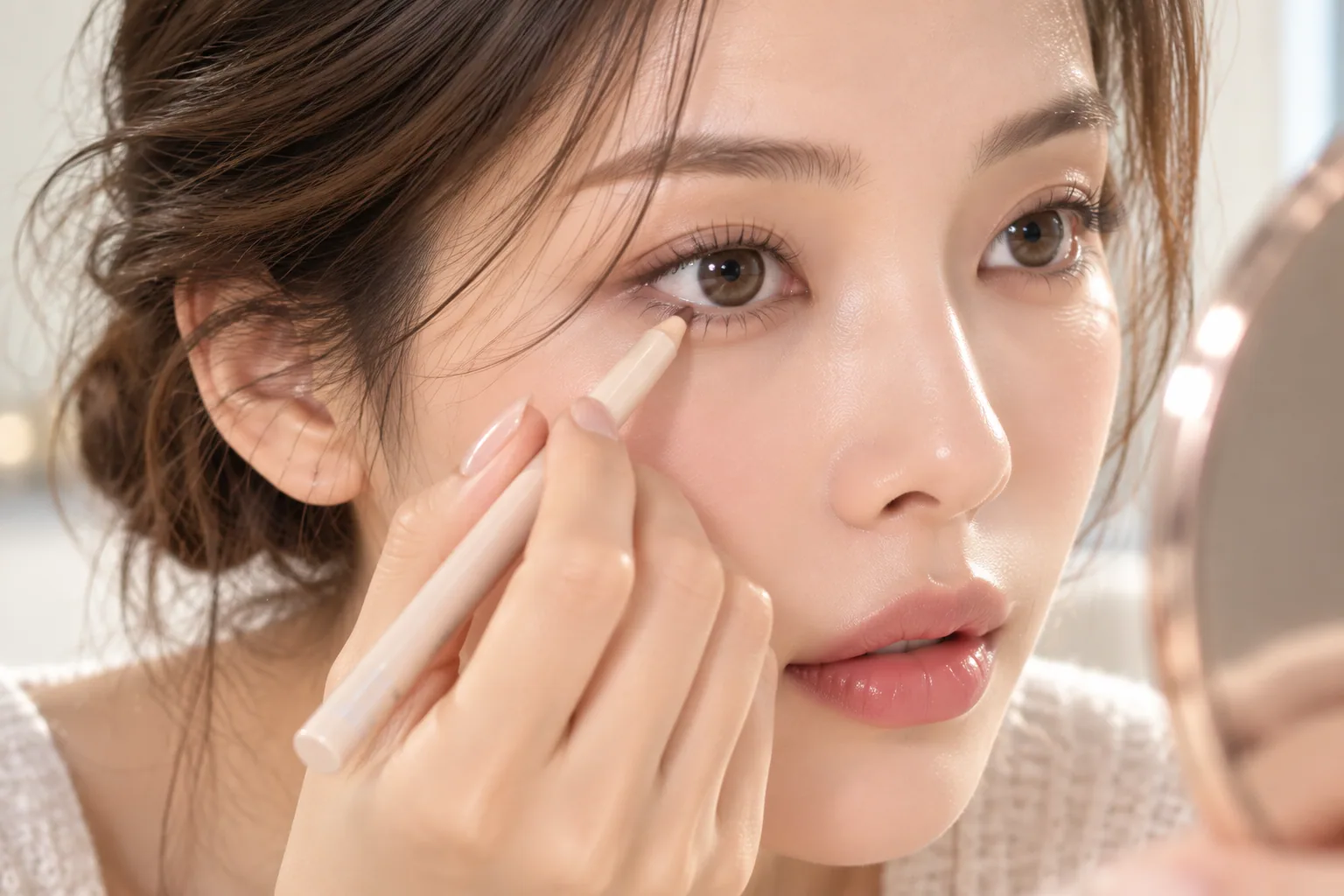
The key point: People with acne-prone skin can wear makeup, but choosing non-comedogenic products, applying them in thin layers, and removing everything before bed are all part of the same routine.
The American Academy of Dermatology (AAD) explains that people with acne can wear makeup. However, some cosmetics may be associated with acne cosmetica, in which small comedones and pimples develop. Because this can appear anywhere from several days to several months after switching products, it can be difficult to identify the cause.[1]
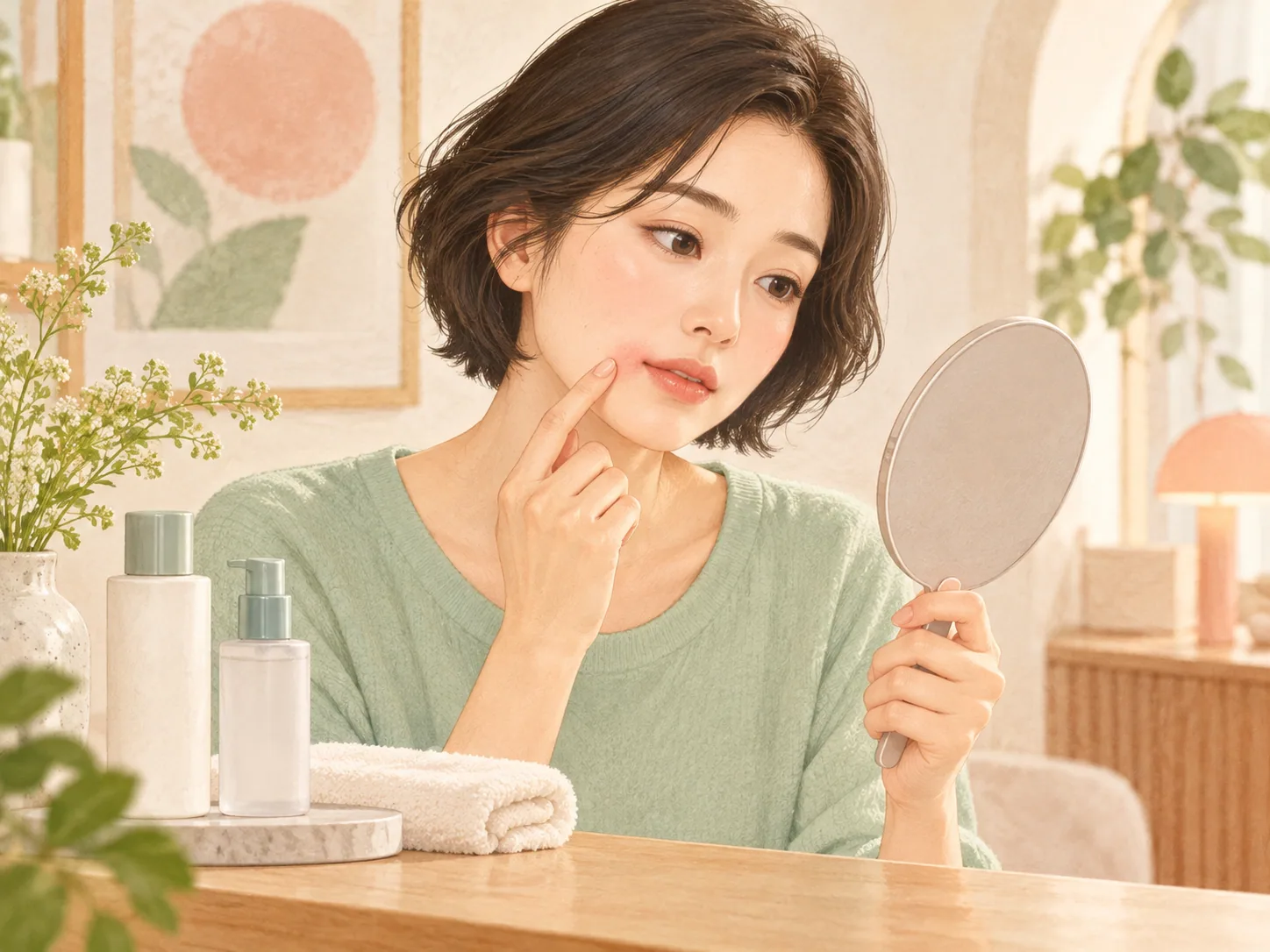
Do you need to stop wearing foundation if you have acne?
Not necessarily. Start by checking the label for “oil-free,” “won’t clog pores,” or “non-comedogenic.” Non-comedogenic means a product is designed to reduce the likelihood of clogging pores; it is not a guarantee that everyone will avoid breakouts.[1]
If similar-sized small bumps continue to appear on the forehead, cheeks, and chin after starting a new product, avoid changing several products at once. It is easier to identify the cause by stopping suspected products one at a time and recording any changes. If deep, painful inflammation or scarring develops, treating the acne takes priority over adjusting your makeup.[2]
6 Steps for Base Makeup That Is Less Likely to Trigger Breakouts
1. Apply skincare and sunscreen in thin layers first
If you are using a treatment product, apply it first according to the prescription or product instructions, then let it dry thoroughly before applying makeup. Applying multiple thick layers can increase the amount of rubbing needed because of pilling, so reduce the number of steps and the amount used.
2. Cover only the areas that need it, rather than the entire face
Instead of applying several layers of full-coverage foundation, lightly tap concealer onto red areas. The AAD advises applying makeup as lightly as a feather to reduce irritation.[1]
3. Do not share brushes or puffs
Acne itself is not contagious, but sebum, dead skin cells, and microorganisms left on someone else’s tools can transfer to your skin. Use personal tools only, and wash brushes at least once a week.[1]
4. Press and tidy makeup during touch-ups instead of layering it on
Gently press away sebum with blotting paper or a clean tissue, then add a small amount only where needed. Continually rubbing the skin or squeezing and covering pimples may increase the risk of inflammation and marks.[2]
5. Do not leave makeup on before bed
Even non-comedogenic products can cause problems if left on overnight. Remove makeup first with a makeup remover, then finish with a gentle cleanser, without scrubbing.[1][2]
6. Discard products whose smell, color, or texture has changed
The U.S. Food and Drug Administration (FDA) advises keeping cosmetic containers closed and clean, and discarding products whose color or smell has changed. Not sharing products with others is also a basic safety measure.[3]
FAQ
If a product is non-comedogenic, can acne never develop?
No. The label generally indicates a lower likelihood of clogged pores, but reactions can vary depending on your skin, the amount used, and the products used alongside it.
Are cleansing oils off-limits for acne-prone skin?
The product type alone does not make them off-limits. Observe whether residue or new comedones recur after use, emulsify the product thoroughly, and finish with a gentle cleanser. Stop using it if irritation develops.
What should I do if my skin stings or turns red after applying makeup?
Remove the product immediately and stop using it. If there is swelling, blistering, or pain, or if symptoms persist, medical evaluation is needed. The FDA also recommends stopping use and seeking medical care if an unexpected rash, redness, or burning reaction develops.[3]
DERME VERDICT
The key to makeup for acne-prone skin is not “covering everything perfectly,” but reducing irritation and residue. Start by following four principles: non-comedogenic products, thin application, personal tools, and removal before bed. If new inflammation continues despite more than 6–8 weeks of care, see a dermatologist to determine whether it is acne or another skin condition.[2]
Sources
[1] American Academy of Dermatology · I have acne! Is it okay to wear makeup? · Accessed 2026-10-10
[2] American Academy of Dermatology · 10 skin care habits that can worsen acne · Accessed 2026-10-10