The key point: “FDA registration” or “FDA listing” for a cosmetic product does not mean that the FDA has preapproved the product’s efficacy or safety. On September 9, 2026, the U.S. FDA again explained that it does not issue certificates or documents verifying cosmetic facility registration or product listing, and that registration numbers must not be used as FDA approval or as a marketing tool.[1]
MoCRA stands for the Modernization of Cosmetics Regulation Act of 2022, a law that significantly strengthened cosmetics regulation in the United States. Under this system, certain facilities that manufacture or process cosmetics must register with the FDA, while the responsible person must submit information on products offered for sale and their ingredients through product listing.[2] Here, “registration” is an administrative obligation, whereas “approval” means that a regulatory agency has authorized the product itself in advance. The two are different.
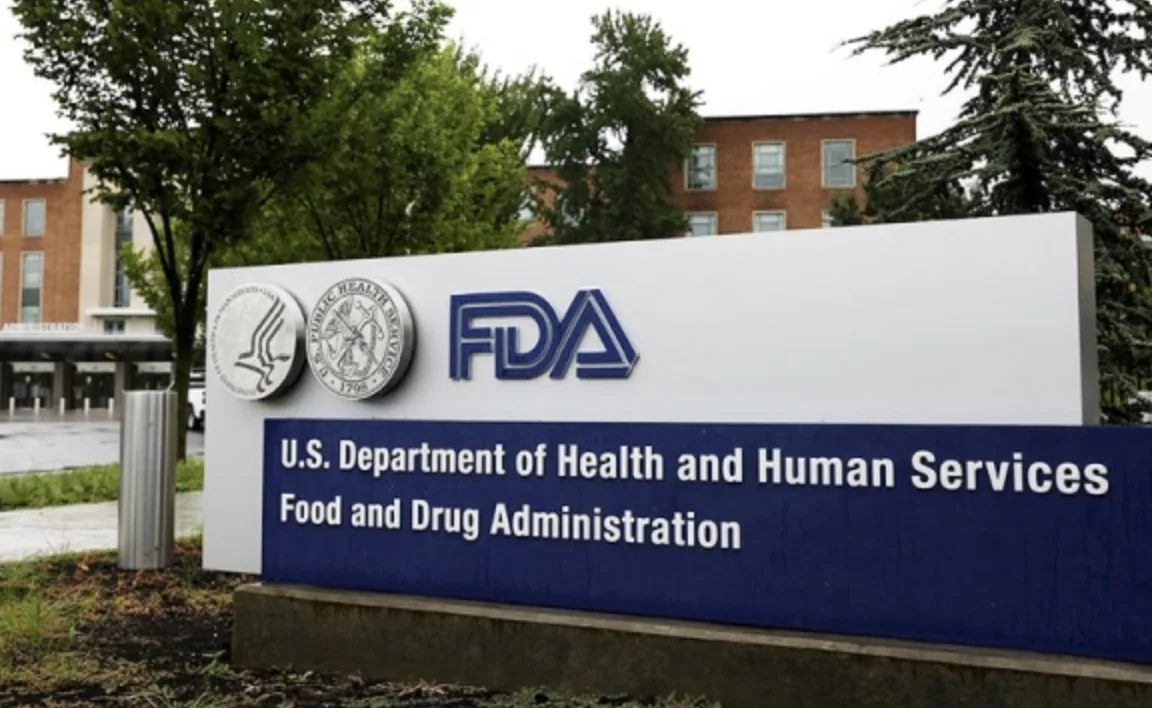
Exactly How Do FDA Registration and FDA Approval Differ?
The FDA’s 2026 guidance explicitly states that registration and product listing are not an “approval program.”[1][2] In other words, the fact that a company has registered a facility or listed a product does not mean that the FDA has individually reviewed and endorsed the finished product’s advertising claims, clinical effects, or suitability for skin.
This distinction matters to consumers. When you see the phrase “FDA registered,” separate the question “Does this mean the company completed a registration procedure required under U.S. regulations?” from “Does this mean the FDA has recognized the product’s effects?” The second interpretation is incorrect.
Why Did the FDA Again Say in 2026 That There Is No “Certificate”?
On September 9, 2026, the FDA announced that it does not provide a certificate or letter verifying cosmetic facility registration, product listing, or an exemption from registration.[1] Accordingly, if a document or marketing statement appears to be an “official FDA certificate,” it is important to check what the document actually means.
The FDA’s registration and listing page reports 16,398 active facility registrations and 1,298,361 active product listings as of June 30, 2026.[2] These figures show that the system is operating on a broad scale, but they do not mean that the many registered products share the same quality or efficacy.
What Should Consumers Check in Cosmetic Advertising?
First, check whether “FDA registered” and “FDA approved” are being used as though they mean the same thing. Second, if efficacy is claimed, distinguish between evidence from ingredient testing and evidence from human testing of the finished product. Third, if the product is said to treat a specific skin condition or alter bodily functions, check whether it may fall outside the scope of ordinary cosmetics and be subject to drug regulation. Fourth, read the ingredient list, directions for use, and warnings based on the product itself.
If There Is Research on an Ingredient, Does the Same Apply to the Finished Product?
No. Laboratory research on an ingredient or clinical results at a particular concentration may not directly apply when the finished product differs in formulation, concentration, delivery method, or amount used. When choosing a product, it is important to consider the conditions of use and the level of evidence for the finished product, rather than simply the fact that it contains a well-known ingredient.
What Does This Mean for K-Beauty Brands?
For cosmetics companies entering the U.S. market, MoCRA registration and listing are important regulatory compliance procedures. However, promoting those procedures to consumers as meaning that the “FDA has certified the product” may distort their significance.[1] Compliance should be described accurately, while product efficacy should be presented with separate supporting evidence.
Frequently Asked Questions
Is a Cosmetic Better If It Has an FDA Registration Number?
The number itself cannot be used to judge superior quality. Registration is a regulatory compliance procedure, not an efficacy rating or quality score.[2]
Can You Trust the Phrase “FDA Certified Cosmetic”?
The FDA states that it does not provide certificates verifying cosmetic facility registration or product listing.[1] Ask the company what the statement is based on, and do not confuse it with FDA approval.
DERME VERDICT
The FDA’s message in September 2026 is simple: “Registration” is not “approval.” Consumers should separately check the regulatory registration status, the product’s actual ingredients, evidence for the finished product, directions for use, and safety information. In particular, expressions such as “FDA certified,” which can easily be mistaken for official approval, warrant a closer look at their actual regulatory meaning.[1][2]
- Source
- [1] U.S. FDA · FDA Clarifies It Does Not Provide Certificates or Other Documents to Verify Compliance for Cosmetic Product Facilities and Products · 2026-09-09
- [2] U.S. FDA · Registration & Listing of Cosmetic Product Facilities and Products · Updated 2026-09-09
- [3] U.S. FDA · Modernization of Cosmetics Regulation Act of 2022 (MoCRA)