When the step count on your smartphone falls short of 10,000, it is easy to feel that you have not exercised enough that day. But movement for health does not need to be divided into a pass-or-fail judgment based on a single number. A systematic review and meta-analysis published in The Lancet Public Health in 2025 suggested that 7,000 steps a day may be favorably associated with several health indicators.[1]
This article does not introduce a new clinical trial from 2026. Instead, it considers how to interpret research that has already been published when setting everyday goals. The short answer is that 7,000 steps is not the same prescription for everyone, nor is it a cutoff beyond which walking more than 10,000 steps has no meaning.
The figure “47% lower” has a comparison point
In the analysis, 7,000 steps a day was associated with a 47% lower risk of all-cause mortality compared with 2,000 steps. This figure reflects a population-level result combining multiple studies. It does not mean that if a particular person starts walking 7,000 steps tomorrow, their risk of death will fall by exactly that amount.[1]
The original paper also notes limitations, including residual confounding. People with different activity levels may also differ in living conditions or health status beyond their step counts. The number can therefore be used as a reference point for motivation, but not as a formula for calculating an individual’s outcome.[1]
The question is different for someone at 2,000 steps and someone already at 10,000
For someone who usually moves very little, finding room to increase activity may matter most. For someone who already walks a great deal, it may be more important to consider the balance of their exercise and their recovery. Turning 7,000 steps into a new source of pressure would miss the realistic spirit of the approach presented by this research.
The WHO explains that doing some physical activity, even a small amount, is better than doing none; that different forms of activity all have value; and that reducing time spent sitting for long periods is important. Physical activity includes cycling, everyday travel and various other activities—not just walking.[2]
Record activities that do not show up in your step count
A single step count cannot tell you everything about the type and intensity of exercise, strength activities or your own discomfort. Try also noting whether you spent a long time sitting today and whether you had opportunities to move during your daily travel. This approach avoids erasing the day’s entire activity simply because the number was low.
WHO materials explain that physical activity supports health and well-being and is associated with various health outcomes, including sleep. However, neither this guidance nor the step-count research has established that a specific amount of walking increases skin collagen or reduces wrinkles.[1][2] Even when approaching the subject from a beauty perspective, effects not measured by the research should not be added.
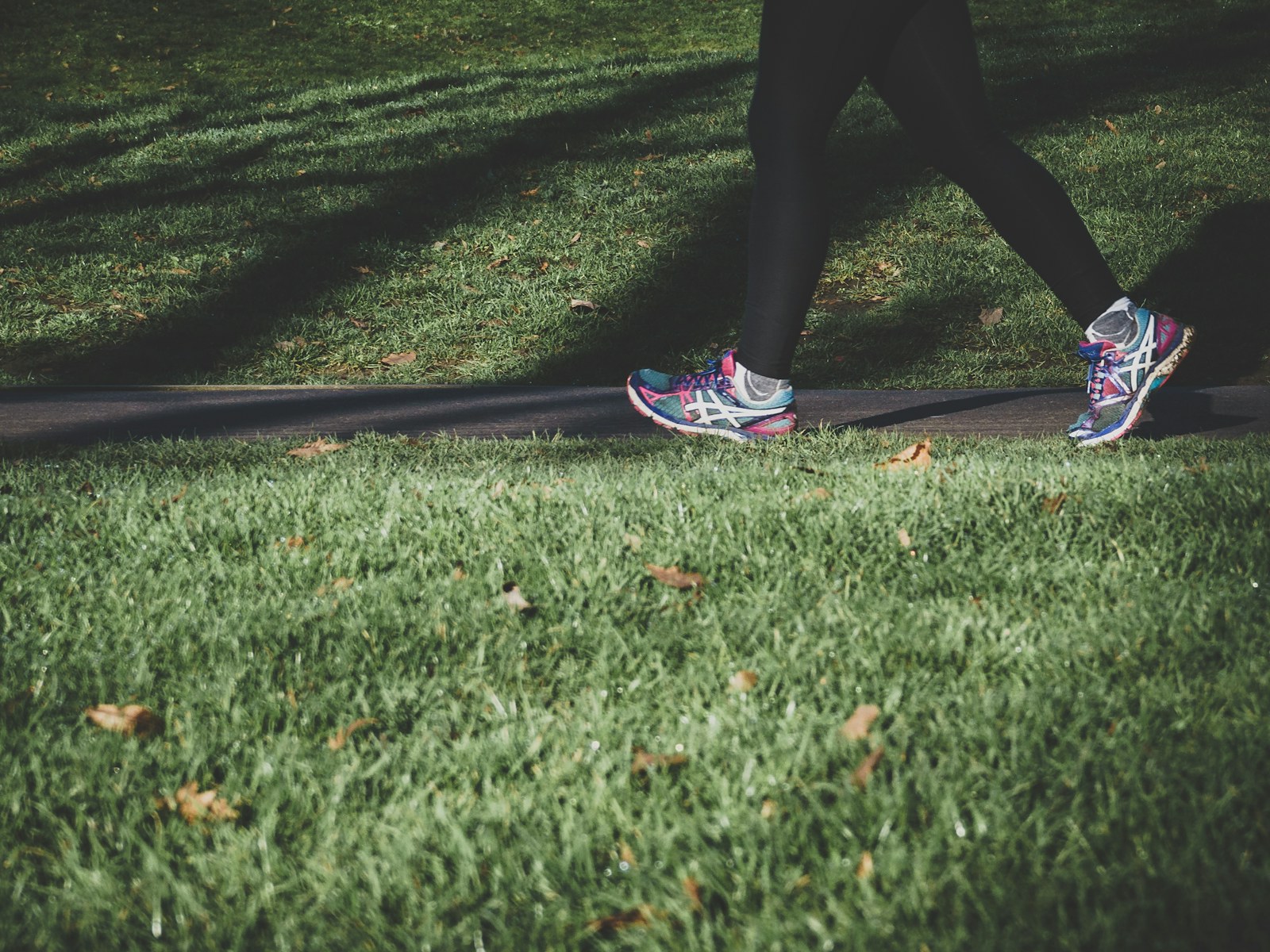
Build feasible movement into travel plans instead of setting a challenge target
When traveling, you might plan by checking whether shorter stretches of a sightseeing route can be walked and whether there will be places to rest. This is not an exercise prescription that forces a specific step count, but a way to review your movement options in advance.
Medical tourism requires a different approach. Activity restrictions and follow-up instructions given after a procedure or surgery take priority over general walking goals. Do not alter your recovery plan to reach a number; confirm with your medical team what kinds and amounts of movement and exercise are permitted.
Q. Is a day ineffective if I do not reach 7,000 steps?
There is no basis for dividing days that way. Rather than reading the research as a single threshold, it is more appropriate to use it as a reference for reviewing your usual movement and finding opportunities to be a little more active.[1][2]
Q. Can simply increasing my step count replace all other exercise?
The WHO explains that strength activities are also important.[2] Step count is just one measure for recording activity; it does not determine every type of exercise an individual may need.
DERME VERDICT
There is no need to make 7,000 steps a new obligation in place of 10,000. Start by considering how much you currently move, what approach is sustainable, and what your health status and recovery requirements are. The value of walking does not lie only in completing a record, and it should not be packaged as an individual guarantee for skin or longevity.